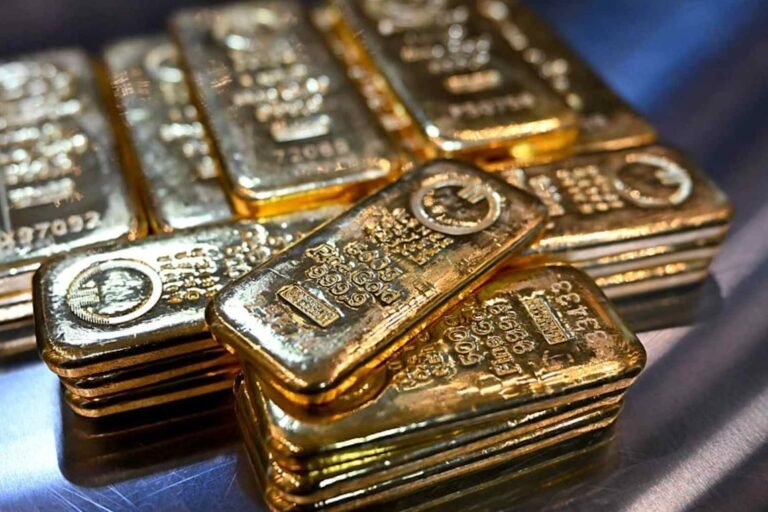
Gold and silver prices surged sharply on India’s MCX as investors rushed toward safe haven assets amid tariff uncertainty and rising geopolitical tensions. MCX gold futures climbed near ₹1,60,000 per 10 grams, while silver jumped toward ₹2,68,120 per kilogram after rebounding from multi month lows. The rally follows renewed trade tensions after a US Supreme Court ruling on tariffs and escalating US Iran conflict fears. Analysts expect volatility to remain high, but the broader trend for precious metals continues to look supportive.
Precious metals are once again at the center of global attention. After a sharp correction earlier in February, gold and silver have staged a powerful recovery. Investors in India tracking MCX gold futures and MCX silver futures are witnessing one of the most dramatic swings of the year. With global spot gold trading near $5,160 per ounce and silver near $86 per ounce, the question now is simple: Is this a short term bounce or the start of another major rally?
Latest Update
- MCX gold futures rebounded strongly, climbing close to ₹1,60,000 per 10 grams after recovering from recent lows. Analysts attribute the surge to safe haven buying as global trade uncertainty intensified.
- Silver futures outperformed gold, surging nearly 6% intraday to around ₹2,68,120 per kilogram. Market experts note increased speculative participation alongside physical demand recovery.
- The US Supreme Court ruling against sweeping tariffs triggered renewed policy uncertainty. Investors are recalibrating risk exposure across commodities and equities.
- Rising tensions between the United States and Iran boosted demand for defensive assets. Gold reclaimed the $5,000 per ounce level in global markets, reinforcing bullish sentiment.
Why Did Gold and Silver Rally on MCX?
Gold and silver rallied primarily due to renewed safe haven demand triggered by tariff uncertainty and escalating geopolitical tensions. Investors shifted funds from risk assets into precious metals after global trade policy developments and Middle East tensions increased market anxiety. The rebound also followed oversold conditions after February’s sharp correction.
The immediate catalyst was the US Supreme Court ruling striking down former President sweeping global tariffs. While the decision removed one layer of trade pressure, a new 10% tariff announcement under Section 122 of the Trade Act injected fresh uncertainty. Markets dislike unpredictability, and precious metals typically benefit when risk perception rises.
Simultaneously, escalating tensions between the United States and Iran revived geopolitical risk premiums. Reports of military preparations and diplomatic standoffs encouraged global investors to increase gold exposure. Historically, gold performs well during conflict driven uncertainty.
Another reason behind the rally is short covering. Silver had fallen more than 21% in February, creating deeply oversold technical conditions. Once prices stabilized, traders rushed to cover bearish bets, accelerating the upside move.
Key Drivers Behind the Rally
- Tariff policy uncertainty
- US Iran geopolitical tensions
- Short covering in silver
- Recovery from multi month lows
- Global spot gold above $5,000
How Much Have Gold and Silver Prices Recovered From February Lows?
Gold and silver have staged a sharp rebound after hitting multi month lows earlier in February, though they remain below their January record highs. Silver bounced from around ₹2,55,000 per kilogram to ₹2,75,000 in the physical market, while gold gained nearly ₹500 per gram in Delhi spot markets over four sessions.
The rebound is impressive but context matters. In January, MCX gold April futures touched an all time high of ₹1,93,096 per 10 grams. Silver futures printed a record near ₹4,20,048 per kilogram before correcting sharply. The February selloff erased significant gains, especially in silver.
Price Snapshot Table
| Metal | January Peak | February Low | Current Level | % Change from Low |
|---|---|---|---|---|
| Gold MCX April | ₹1,93,096 | Near ₹1,55,000 | Near ₹1,60,000 | Approx 3% to 4% |
| Silver MCX | ₹4,20,048 | ₹2,55,000 | ₹2,68,120 | Approx 5% to 6% |
This table shows that while the recovery is notable, both metals are still trading well below peak levels. That suggests consolidation rather than a confirmed breakout.
Crypto Lender BlockFills Suspends Withdrawals as Bitcoin Slides
Is Silver Outperforming Gold in This Rally?
Yes, silver is currently outperforming gold in percentage terms due to its sharper correction and higher volatility profile. While gold rose about 2% in early trade, silver surged nearly 6%, reflecting stronger rebound momentum and speculative interest.
Silver typically behaves as both a precious and industrial metal. During risk driven rallies, it often moves faster than gold. After falling more than 21% in February, silver became relatively undervalued compared to gold. Traders saw this as a tactical buying opportunity.
Gold vs Silver Comparison
| Factor | Gold | Silver |
|---|---|---|
| Volatility | Moderate | High |
| Safe Haven Demand | Strong | Moderate |
| Industrial Use | Limited | Significant |
| February Correction | Mild | Severe |
| Current Recovery Strength | Steady | Stronger |
For investors, silver offers higher risk and potentially higher reward. Gold remains the preferred hedge against systemic uncertainty.
How Are Global Prices Influencing MCX Gold and Silver?
MCX prices closely track international spot markets, adjusted for currency movement and import dynamics. With global spot gold near $5,160 per ounce and silver around $86 per ounce, Indian futures reflect both international momentum and rupee fluctuations.
When global gold crosses psychological milestones such as $5,000, it often triggers algorithmic buying. Indian traders monitor US dollar trends closely because a weaker rupee amplifies gains in MCX contracts.
In addition, global ETF flows and central bank policies influence long term direction. While recent Federal Reserve minutes suggest steady interest rates, divergence in policy expectations keeps volatility elevated.
Global Influences on MCX
- US dollar index movement
- Federal Reserve rate outlook
- Geopolitical risk premium
- ETF inflows and outflows
- Import duties and local demand
Should Investors Buy Gold and Silver Now?
Investors should approach cautiously, as the current move appears to be a consolidation rebound rather than a confirmed breakout. While the broader trend remains supportive, volatility is expected to persist due to trade and geopolitical uncertainty.
Short term traders may benefit from price swings. However, long term investors should consider staggered buying through systematic allocation. Gold remains a strategic hedge against inflation and geopolitical risk.
Analysts suggest watching resistance near ₹1.61 lakh per 10 grams in gold. A decisive move above this level could strengthen bullish momentum. Silver traders should monitor whether prices sustain above ₹2,70,000 per kilogram.
Smart Strategy for Investors
- Use staggered buying instead of lump sum entry
- Maintain 10% to 15% portfolio allocation in gold
- Avoid high leverage in silver due to volatility
- Track global spot prices and rupee movement
What Risks Could Reverse the Rally?
The rally could reverse if geopolitical tensions ease or if global interest rate expectations shift toward tightening. Precious metals are sensitive to real yields and risk sentiment.
If trade tensions stabilize and diplomatic solutions reduce Middle East risks, safe haven demand may fade. Similarly, stronger US economic data could support the dollar, pressuring gold and silver.
Investors should also remember that silver’s industrial demand component makes it vulnerable to global growth slowdowns.
Key Takeaways
- MCX gold near ₹1,60,000 and silver near ₹2,68,120 show strong rebound momentum.
- Tariff uncertainty and US Iran tensions are driving safe haven demand.
- Silver is outperforming gold due to sharper correction earlier.
- Both metals remain below January record highs.
- Volatility likely to persist in the near term.
Frequently Asked Questions
1. Why are gold prices rising on MCX?
Gold prices are rising due to safe haven demand triggered by tariff uncertainty and geopolitical tensions. Global spot prices above $5,000 per ounce are also supporting MCX futures.
2. Why is silver more volatile than gold?
Silver has both industrial and investment demand, making it more sensitive to economic changes. It also has lower market depth compared to gold, increasing price swings.
3. What is the current resistance level for MCX gold?
Analysts are watching ₹1.61 lakh per 10 grams as a near term resistance level. A sustained move above this could signal stronger bullish momentum.
4. Is this rally a long term trend reversal?
Currently, analysts view it as consolidation after February lows. Confirmation requires sustained buying above key resistance levels.
5. How do US tariffs impact gold prices?
Tariff uncertainty increases global trade risk. Investors typically move to safe assets like gold during such periods.
6. Should retail investors buy silver now?
Retail investors can consider staggered buying, but silver’s volatility demands cautious position sizing.
Conclusion
Gold and silver have rebounded sharply on MCX as global uncertainty reignites safe haven demand. With gold near ₹1,60,000 and silver approaching ₹2,68,120, the recovery reflects geopolitical tension, tariff policy shifts, and technical rebound dynamics. However, both metals remain below record highs, suggesting consolidation rather than confirmed breakout. Investors should remain disciplined, monitor global price cues around $5,160 for gold and $86 for silver, and adopt staggered allocation strategies. Volatility is likely to stay elevated, making risk management essential in the weeks ahead.