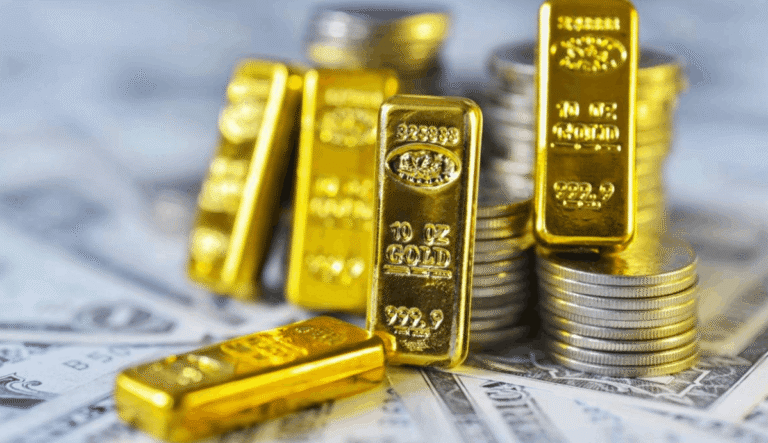
Gold has surged above $5,100 per ounce as a weakening U.S. dollar and falling Treasury yields boost demand for safe-haven assets. Investors are reacting to concerns about U.S. fiscal stability, reports of China reducing U.S. Treasury exposure, and expectations of Federal Reserve rate cuts. Lower bond yields reduce the opportunity cost of holding non-yielding assets like gold, while geopolitical shifts are reinforcing long term diversification into precious metals. The move signals growing uncertainty in global financial markets.
Latest Update
- Gold futures briefly crossed $5,100 per ounce, marking one of the strongest rallies in recent history. The move follows sustained weakness in the U.S. Dollar Index, which recently touched multi-year lows.
- U.S. 10 year Treasury yields declined toward 4.14%, their lowest level in weeks. Falling yields are increasing the attractiveness of gold as a non yielding asset.
- Reports indicate Chinese regulators have advised domestic institutions to reduce U.S. Treasury holdings. This has intensified speculation about global diversification away from dollar-denominated assets.
- Silver surged above $86 per ounce during volatile trading before trimming gains. Precious metals broadly are benefiting from fiscal deficit concerns and rate cut expectations.
Why Has Gold Crossed $5,100 Per Ounce?
Gold crossed $5,100 because three powerful forces aligned: a weak U.S. dollar, falling Treasury yields, and rising geopolitical uncertainty. Investors view gold as a store of value when confidence in currencies and government debt weakens. With Treasury yields falling and central banks continuing to buy gold, demand has accelerated sharply.
Gold prices typically move inversely to the dollar. When the dollar weakens, gold becomes cheaper for global buyers, increasing demand. The recent drop in the ICE U.S. Dollar Index near four year lows amplified this effect.
At the same time, the 10 year Treasury yield dropped toward 4.14%. Lower yields reduce the opportunity cost of holding gold since gold does not generate interest income. When bonds yield less, investors shift capital toward hard assets.
Another key factor is global diversification. Reports that Chinese institutions are reducing U.S. Treasury exposure suggest structural shifts in reserve management. China’s Treasury holdings have reportedly fallen to about $682.6 billion, down more than 47% from their peak. That capital often finds its way into gold reserves.
How Does a Weak Dollar Push Gold Prices Higher?
A weak dollar directly supports gold because gold is priced in U.S. dollars globally. When the dollar declines, international buyers can purchase gold at relatively lower costs, increasing global demand. This currency dynamic often triggers strong upward price momentum.
Several factors are pressuring the dollar:
- Expectations of additional Federal Reserve rate cuts
- Persistent fiscal deficits
- Trade and tariff uncertainty
- Declining investor confidence in U.S. debt sustainability
When central banks signal looser monetary policy, the dollar typically weakens. A weaker dollar improves export competitiveness but reduces purchasing power, pushing investors toward inflation hedges like gold.
Gold has gained more than 70% over the past year, briefly touching levels above $5,600 before consolidating. The dollar weakness has been a core driver of this sustained rally.
What Role Do Treasury Yields Play in Gold’s Rally?
Treasury yields influence gold because they represent the return investors can earn from safe government bonds. When yields fall, gold becomes more competitive since it does not pay interest but retains value during uncertainty.
Here is a simplified comparison:
| Factor | High Treasury Yields | Low Treasury Yields |
|---|---|---|
| Investor Preference | Favor bonds for income | Shift toward gold |
| Opportunity Cost of Gold | High | Low |
| Dollar Strength | Typically strong | Often weak |
| Gold Price Impact | Pressure downward | Support upward |
The recent decline in yields to around 4.14% is signaling expectations of slower growth or future rate cuts. Both scenarios support gold demand.
Is China Reducing U.S. Treasury Holdings a Game Changer?
China’s reported reduction in U.S. Treasury exposure adds a geopolitical layer to gold’s rally. If major reserve holders diversify away from U.S. debt, it can weaken the dollar and strengthen alternative reserve assets like gold.
China’s Treasury holdings reportedly stand near $682.6 billion, significantly lower than prior peaks. While regulators cited volatility and concentration risks, markets interpret the move as strategic diversification.
Central banks globally have been increasing gold purchases. The pattern reflects:
- Desire to reduce dollar dependency
- Rising geopolitical tensions
- Long term inflation concerns
- Portfolio risk management
This structural demand from central banks is different from short term speculative buying. It creates a long term support floor under gold prices.
How Does Gold Compare to Silver in This Rally?
Silver has also rallied strongly, but it remains more volatile than gold. While gold is primarily a monetary metal, silver has both industrial and investment demand, making its price swings sharper.
| Metric | Gold | Silver |
|---|---|---|
| Recent Price Level | Above $5,100 | Above $86 |
| Primary Demand | Investment and central banks | Industrial and investment |
| Volatility | Moderate | High |
| Safe Haven Status | Strong | Moderate |
Silver surged as much as 6.6% during recent trading before trimming gains. Industrial demand from solar and electronics sectors adds another layer to silver pricing dynamics.
What Are Analysts Saying About Gold’s Historic Rise?
Market analysts describe the rally as a signal of declining trust in fiat systems. Investors are increasingly viewing gold as financial insurance rather than a speculative asset.
Key supporting factors include:
- Persistent fiscal deficits in the U.S.
- Strong central bank accumulation
- Concerns about debt sustainability
- Policy uncertainty from the Federal Reserve
Some analysts believe gold’s long term trend remains intact as long as real yields stay contained and global geopolitical risks remain elevated.
Goldman Sachs Raises Gold and Copper Price Forecasts as Supply Tightens
Key Takeaways
- Gold surged above $5,100 due to dollar weakness and falling Treasury yields.
- China’s reported Treasury diversification adds geopolitical support.
- Lower bond yields reduce the opportunity cost of holding gold.
- Silver is rallying but remains more volatile than gold.
- Central bank buying provides structural long term support.
Frequently Asked Questions
Why did gold rise above $5,100?
Gold rose due to a weakening dollar, falling Treasury yields, and geopolitical concerns linked to diversification away from U.S. debt.
How do Treasury yields affect gold prices?
When yields fall, the opportunity cost of holding gold decreases, making gold more attractive to investors.
Is China selling U.S. Treasuries?
Reports suggest Chinese regulators advised reducing exposure due to volatility and concentration risks, reinforcing diversification trends.
Is gold a good hedge against inflation?
Yes. Gold historically preserves purchasing power during inflation and currency depreciation periods.
Will gold continue to rise?
Gold may remain supported if the dollar stays weak, yields remain low, and geopolitical tensions persist.
How is silver different from gold?
Silver has industrial demand in addition to investment demand, making it more volatile than gold.
Conclusion
Gold’s surge above $5,100 per ounce reflects more than short-term market momentum. It signals shifting confidence in global currencies, concerns about U.S. fiscal stability, and structural diversification by major reserve holders. Falling Treasury yields and dollar weakness have created a favorable environment for precious metals. While volatility may persist, long-term drivers such as central bank buying and geopolitical uncertainty continue to support gold. Investors should monitor yield movements, dollar trends, and global reserve strategies to assess the next phase of this historic rally.