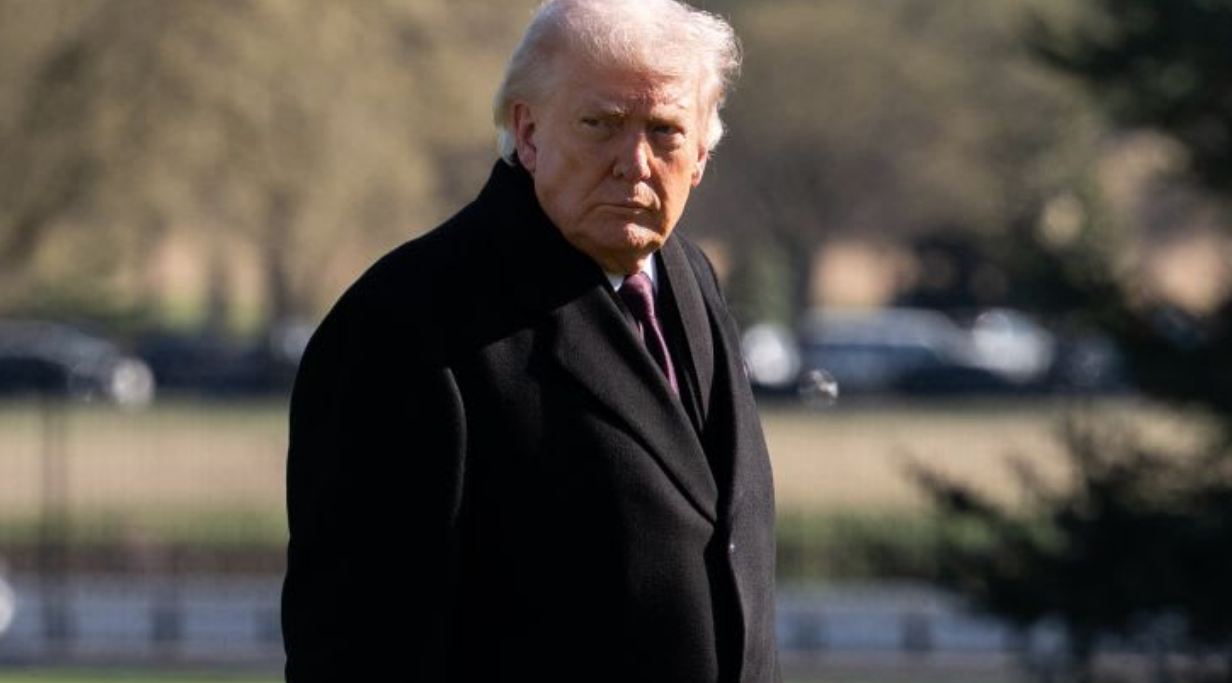
The military campaign against Iran, codenamed Operation Epic Fury, has entered its second month with devastating consequences for the Gulf Cooperation Council (GCC) states. While the United States and Israel continue their bombardment, the retaliatory strikes from Tehran have systematically targeted the “four pillars” of Gulf prosperity: energy exports, shipping, tourism, and infrastructure. As President Trump vows to “finish the job” by mid-April 2026, the strategic exposure of America’s Gulf allies has reached a critical breaking point.
Latest Update
- Iranian retaliatory strikes have knocked out 17 percent of Qatar’s LNG capacity at Ras Laffan, with experts estimating repairs could take up to five years.
- The UAE air defense systems have intercepted over 430 ballistic missiles and 2,000 drones, yet debris has caused significant fires at the Jebel Ali Port and Abu Dhabi.
- Saudi Arabia’s Ras Tanura refinery and Shaybah oilfield remain under persistent threat, leading to mounting resentment in Riyadh over the lack of a diplomatic exit.
- A March 8 strike on a Bahraini desalination plant has raised catastrophic fears regarding the long-term habitability of major Gulf cities.
- U.S. Intelligence assessments indicate that the Iranian regime remains in a “robust position” despite the loss of Supreme Leader Ali Khamenei on February 28.
How has the War Impacted the Gulf’s Energy Infrastructure?
The conflict has transformed the Persian Gulf from a global energy hub into a high-risk battlespace. Iran’s “area denial” strategy specifically targets high-value industrial complexes that drive the global economy.
Impacted Energy Facilities (March-April 2026):
- Qatar (Ras Laffan): A critical LNG hub currently operating at significantly reduced capacity due to missile damage.
- Saudi Arabia (Ras Tanura): One of the world’s largest oil refineries, facing repeated drone incursions.
- UAE (Ruwais & Fujairah): Essential processing and bunkering hubs that have seen a 400 percent spike in maritime insurance premiums.
What is the Economic Cost of the Conflict for the GCC?
The economic fallout of Operation Epic Fury is being felt far beyond the front lines. The region is currently losing an estimated $600 million per day in international visitor spending alone.
Economic Loss Data Table (April 2026):
| Sector | Estimated Loss (First 30 Days) | Key Metric |
| Tourism Revenue | $12 Billion+ | 80,000+ Hotel cancellations in Dubai |
| Aviation | $3.5 Billion | Dubai International (DXB) flight diversions |
| Energy Exports | Undisclosed (Billions) | Qatar “Force Majeure” on LNG contracts |
| Projected 2026 Loss | $56 Billion | Foregone spending by 38 million visitors |
Why is the Relationship Between the U.S. and Gulf Allies Strained?
Despite the hundreds of billions invested in U.S. defense systems, GCC leaders are expressing deep skepticism regarding Washington’s role as a security guarantor.
Points of Friction:
- Ignoring Warnings: Gulf capitals reportedly warned against the scale of Operation Epic Fury, fearing the exact infrastructure damage they are now experiencing.
- The “Netanyahu Council”: Analysts suggest GCC leaders feel the U.S. followed Israeli tactical advice while ignoring the economic risks to the broader region.
- Regime Resilience: The miscalculation that a “rapid regime change” would follow the assassination of the Supreme Leader has left the Gulf exposed to an emboldened IRGC.
- U.S. Reliability: There is a growing perception that the U.S. is willing to sacrifice Gulf stability to achieve its “Stone Age” objectives in Iran.
What are the Specific Threats to Gulf Water and Power?
Perhaps the most existential threat identified in the 2026 conflict is the targeting of life-sustaining infrastructure. Unlike oil facilities, damage to water production cannot be bypassed.
- Desalination Risks: Most Gulf cities rely on desalination for 90 percent of their potable water. The strike in Bahrain serves as a “proof of concept” for Iran’s ability to trigger a mass humanitarian exodus by rendering cities unlivable.
- Power Grid Vulnerability: Trump’s threat to simultaneously strike every one of Iran’s generating plants has led to fears of reciprocal “tit-for-tat” strikes on the integrated Gulf power grid.
Strategic Comparison: Gulf Stability Before vs. After February 28
The status quo that existed before the launch of Operation Epic Fury has been systematically dismantled.
| Strategic Pillar | Status (Pre-Feb 28, 2026) | Current Status (April 2026) |
| Shipping Lanes | Open & Secure | Blocked (Strait of Hormuz) |
| Investor Confidence | High (Record Tourism) | Rapid Capital Flight |
| Regional Security | Deterrence-based | Active Battlespace |
| Expatriate Workforce | Stable & Growing | Massive Relocation Inquiries |
Key Takeaways: The Gulf Exposure in Short
- Energy Loss: 17 percent of Qatar’s LNG offline; Saudi refineries under fire.
- Tourism Crisis: $600 million daily loss; Dubai hotel bookings plummet.
- Military Reality: 2,400+ missiles/drones intercepted over the UAE alone.
- Political Rift: Growing resentment in Gulf capitals toward U.S. and Israeli strategy.
- Existential Threat: Targeting of desalination plants threatens urban habitability.
Frequently Asked Questions (FAQ)
1. How has the Iran war affected Dubai’s tourism?
Dubai has seen over 80,000 hotel cancellations and a significant drop in airport passengers. The region is losing $600 million daily in tourism revenue.
2. Which energy facilities have been damaged in the Gulf?
Key targets include Qatar’s Ras Laffan Industrial City, Saudi Arabia’s Ras Tanura refinery, and the UAE’s Ruwais Industrial Complex.
3. What is “Force Majeure” in the context of Qatar?
Qatar declared “Force Majeure” on LNG contracts, meaning they cannot fulfill supply promises to countries like China and Italy due to war-related production stops.
4. Can the U.S. protect Gulf cities from Iranian missiles?
While the UAE has intercepted thousands of drones and missiles, debris and successful strikes on Jebel Ali and Bahraini water plants show significant vulnerabilities remain.
5. Why are Gulf leaders frustrated with the U.S.?
They feel the U.S. prioritized a “regime change” strategy in Iran while ignoring the direct military and economic risks to the GCC states.
6. What happens if desalination plants are destroyed?
Since most Gulf cities have limited natural freshwater, the destruction of desalination plants would make major urban centers like Dubai or Manama uninhabitable.
7. Who is Giorgio Cafiero?
He is the CEO of Gulf State Analytics and a leading analyst who has highlighted the vulnerabilities of GCC infrastructure during the 2026 conflict.
Conclusion
The final phase of Operation Epic Fury presents a “lose-lose” scenario for the Gulf Arab states. While President Trump looks to “finish the job” through massive infrastructure strikes on Iran, the reciprocal damage to the GCC’s multi-trillion-dollar economic model may be irreversible in the short term. The destruction at Ras Laffan and the threats to the regional water supply suggest that even a “quick” U.S. victory would leave a legacy of instability. As shipping lanes remain closed and investor confidence wavers, the GCC must now navigate a future where its reliance on the U.S. as a security guarantor is being questioned more deeply than ever before in the modern era.