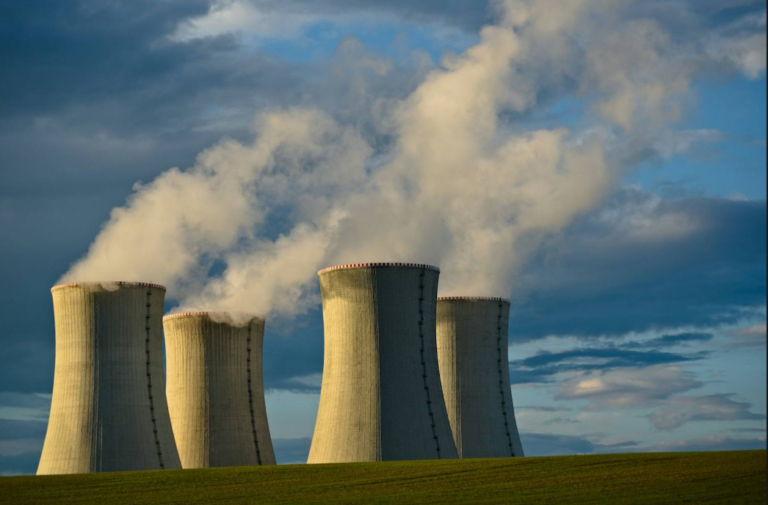
Uranium prices surged above $100 per pound, reaching a two year high before retreating to around $88 as fresh supply data from Uzbekistan eased short term concerns. The rally reflects tightening global supply, aggressive nuclear expansion policies, and rising electricity demand from AI driven data centers. While the pullback cooled speculative momentum, structural deficits and undercontracted utilities suggest volatility is far from over. Investors and energy planners are now reassessing long term positioning.
Latest Update
- Uranium spot prices briefly crossed $100 per pound, marking the strongest level in nearly two years before retreating toward $88 as new production data entered the market. Traders reacted quickly to updated supply figures from Central Asia.
- Uzbekistan reported significantly higher annual uranium output than previously projected, temporarily easing fears of near term shortages. Analysts described the move as a short term supply surprise rather than a structural shift.
- Kazatomprom confirmed plans to trim future production, reinforcing long term supply constraints. Market participants interpret this as a signal that major producers are prioritizing price stability over volume expansion.
- Utilities continue to contract below annual replacement needs, increasing the risk of future procurement pressure. Research firms warn that deferred buying could trigger another price spike.
Why did uranium prices cross $100 before falling back?
Uranium prices crossed $100 per pound due to tightening fundamentals, policy support for nuclear power, and heavy speculative buying. The retreat to around $88 followed news that Uzbekistan sharply increased output, easing short term supply concerns.
The January rally was fueled by strong momentum entering the year. Spot prices rose roughly 25 percent in a single month, supported by renewed investor interest and improving nuclear energy sentiment.
Futures contracts touched $101.50 per pound, reflecting expectations of continued tightness. However, markets are sensitive to supply shocks. When Uzbekistan revealed production near 7,000 metric tons, well above initial projections of just over 4,200 tons, traders reassessed near term scarcity.
This reaction highlights an important point. Uranium markets are thin compared to oil or gold. Even moderate supply adjustments can cause sharp price swings. The drop to $88 does not eliminate long term risks. It simply reflects short term recalibration.
What are the structural supply risks driving uranium higher?
Structural supply risks include production cuts from Kazakhstan, limited new mine development, geopolitical concentration, and declining inventories. These factors create a supply deficit outlook for the 2030s.
Kazatomprom, the world largest uranium producer, announced plans to reduce future output by about 10 percent. Nominal production could fall from approximately 32,777 tonnes to around 29,697 tonnes of U3O8.
Key supply risks include:
- Delayed mine expansions due to capital discipline
- Environmental and permitting challenges
- Geopolitical exposure in Central Asia
- Limited Western enrichment capacity
Major new projects require years of development and billions in capital. At $88 per pound, some projects remain marginal. Sustained prices above $90 to $100 are often needed to justify large scale investment.
Research firms warn that even if new supply enters, it may not offset expected demand growth in the next decade.
How is nuclear policy reshaping uranium demand?
Nuclear policy expansion, particularly in the United States, is accelerating long term uranium demand. Government orders aim to quadruple nuclear capacity, increasing future fuel requirements significantly.
Executive actions directed the Department of Energy to facilitate 5 gigawatts of uprates at existing reactors and push for 10 new large reactors under construction before the end of the decade.
The long term target is to expand nuclear generation from 100 gigawatts to 400 gigawatts by mid century.
| Metric | Current Level | Future Target |
|---|---|---|
| US Nuclear Capacity | 100 GW | 400 GW |
| Planned Uprates | 5 GW | Ongoing |
| New Large Reactors | Under Planning | 10 Units |
Each new reactor requires long term uranium contracts. Nuclear projects operate on multi decade timelines, meaning fuel procurement decisions today impact markets years ahead.
How are AI data centers influencing uranium demand?
AI driven data centers are sharply increasing electricity demand, indirectly boosting nuclear energy reliance and long term uranium consumption.
According to industry projections, AI related power demand in the United States could grow more than 30 times by 2035, reaching 123 gigawatts.
Data center electricity usage may rise from 176 terawatt hours to between 325 and 580 terawatt hours within a few years. This surge requires stable baseload power.
Nuclear energy provides:
- 24 hour continuous generation
- Low carbon output
- High reliability
Unlike solar or wind, nuclear plants operate regardless of weather conditions. This makes uranium an indirect beneficiary of AI expansion.
Are utilities undercontracted and why does it matter?
Yes, utilities are significantly undercontracted. They secured roughly 75 million pounds through most of the year, about half the 150 million pounds needed annually for replacement.
This deferred procurement creates a supply gap. When utilities eventually return to the market, they may need to secure larger volumes at higher prices.
| Category | Volume in Million Pounds |
|---|---|
| Annual Replacement Need | 150 |
| Contracted Volume | 75 |
| Gap | 75 |
Analysts warn that this imbalance programs a deficit into the next decade. Long term contracts signed during price weakness may not be sufficient.
Uranium vs Other Energy Commodities: How does it compare?
Uranium differs from oil and gas due to its thin market structure, long contracting cycles, and heavy policy influence.
| Factor | Uranium | Oil | Natural Gas |
|---|---|---|---|
| Market Liquidity | Low | High | High |
| Contract Duration | Multi year | Short term | Short term |
| Policy Influence | Very High | Moderate | Moderate |
| Price Volatility | Sharp Swings | Frequent Moves | Seasonal Swings |
This explains why uranium can spike above $100 and retreat quickly without major global economic shifts.
Key Takeaways
- Uranium crossed $100 per pound before retreating to around $88.
- Uzbekistan supply data triggered the pullback.
- Kazakhstan production cuts reinforce long term constraints.
- AI data centers are boosting nuclear power demand.
- Utilities remain undercontracted, increasing future price risk.
FAQ: Uranium Prices and Market Outlook
Why did uranium prices fall after crossing $100?
Prices fell after Uzbekistan reported higher than expected production, easing short term supply fears and triggering profit taking.
Is $100 per pound sustainable?
Sustained prices above $90 to $100 may be needed to incentivize new mining projects, but volatility is likely in the short term.
How does AI impact uranium demand?
AI increases electricity demand, which supports nuclear expansion and long term uranium consumption.
Are uranium supplies running out?
Supplies are not depleted, but production growth is slow and concentrated in a few countries, increasing structural risk.
Should utilities contract now?
Analysts suggest early contracting may reduce future price risk as deficits are projected in the 2030s.
How volatile is uranium compared to oil?
Uranium is less liquid and can experience sharper percentage swings due to smaller market size.
What is the long term outlook for uranium?
The long term outlook remains constructive due to nuclear expansion, policy support, and underinvestment in supply.
Conclusion: Is This Just a Pause Before the Next Move?
Uranium prices hitting a two year high above $100 per pound before retreating to around $88 illustrates how sensitive the market is to supply headlines. While short-term production increases can cool rallies, structural supply constraints and accelerating nuclear demand remain powerful drivers. Utilities are undercontracted, AI is raising electricity consumption, and major producers are limiting output growth. For investors and energy planners, the current pullback may represent consolidation rather than reversal. The uranium market story appears far from over.