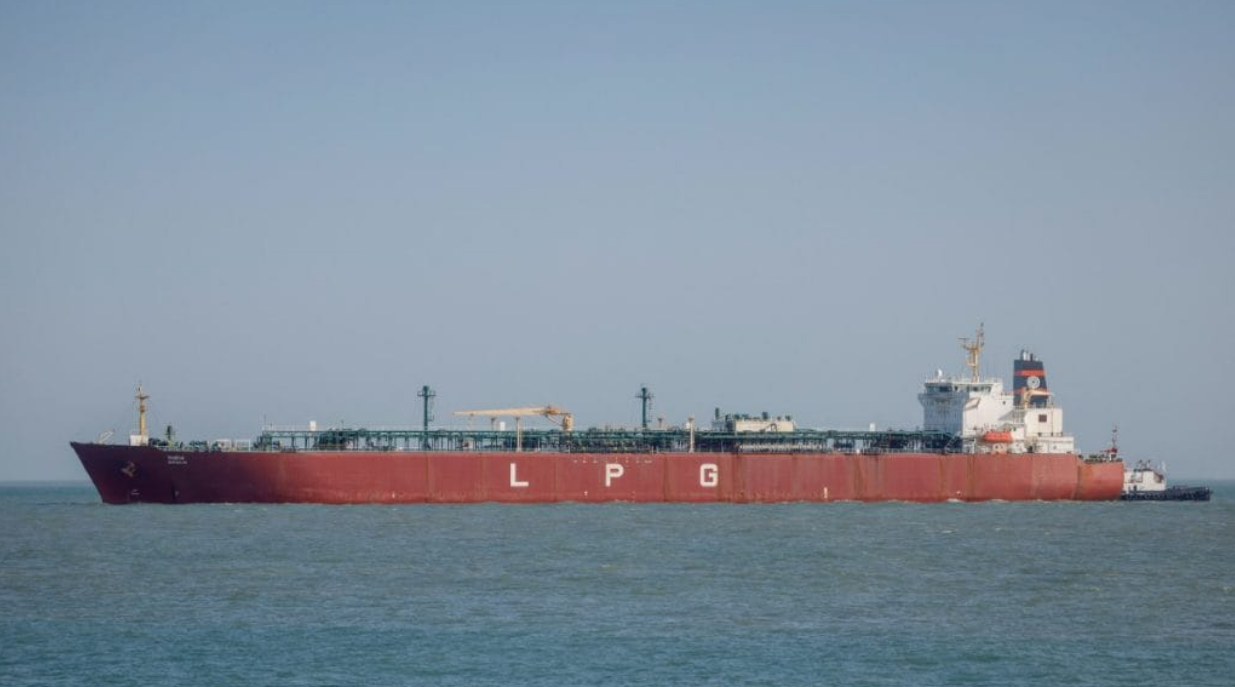
US LPG shipments to India have surpassed Gulf volumes due to disruptions in the Strait of Hormuz caused by ongoing geopolitical tensions. India is rapidly shifting its energy strategy by diversifying imports and accelerating the adoption of piped natural gas. This move ensures supply stability and reduces dependency on high-risk regions. The crisis is pushing India toward a more secure and resilient energy future.
Introduction
India’s energy supply chain is undergoing a major transformation as global geopolitical tensions disrupt traditional import routes. The Strait of Hormuz, which has historically carried the majority of India’s LPG imports, is now facing severe disruptions. This has forced India to rethink its energy sourcing strategy almost immediately.
To address this challenge, India is increasing LPG imports from the United States while simultaneously expanding its piped natural gas network. These steps are not just short term solutions but part of a broader plan to strengthen energy security and reduce vulnerability to global conflicts.
Latest Update
- US LPG shipments to India have now exceeded supplies from Gulf countries, marking a major shift in global energy trade. This reflects India’s urgent need to secure alternative supply sources amid disruptions in traditional routes.
- LPG imports from the Middle East have dropped significantly due to limited transit through the Strait of Hormuz. This has exposed the risks of relying heavily on a single supply corridor.
- The Indian government has accelerated approvals for piped natural gas projects across states. Authorities are being directed to clear applications quickly to expand infrastructure.
- Domestic LPG production has increased sharply, with refineries operating at full capacity. This is helping maintain supply stability despite global uncertainties.
Why is India increasing LPG imports from the US?
India is increasing LPG imports from the US to reduce dependence on Gulf countries and ensure an uninterrupted supply during the Hormuz crisis.
The disruption in the Strait of Hormuz has made it difficult for India to rely solely on traditional suppliers in the Middle East. Since a large share of LPG imports passes through this route, any disruption creates immediate supply concerns. To address this risk, India has turned to the US, which offers a more stable and reliable source of LPG.
The US has strong production capacity and can provide consistent shipments through alternative shipping routes that are less affected by geopolitical tensions. By securing long term contracts, India is ensuring that supply remains stable even if disruptions continue.
This strategy also reflects a broader shift toward diversification. Instead of relying heavily on one region, India is spreading its import sources across multiple countries. This reduces risk and improves overall energy security in the long term.
How is the Strait of Hormuz crisis affecting India’s LPG supply?
The Hormuz crisis is disrupting the primary route for LPG imports, reducing supply from Gulf countries and increasing risks for India’s energy security.
The Strait of Hormuz is one of the most important energy transit routes in the world. A significant portion of India’s LPG imports traditionally passes through this narrow waterway. With ongoing tensions affecting this route, shipments from the Gulf have declined sharply.
This disruption has increased transportation risks and costs. Shipping companies face higher insurance premiums and delays, which directly impact supply chains. As a result, India is experiencing pressure on its LPG supply system.
To manage the situation, India is taking several steps. It is engaging diplomatically to ensure safe passage for shipments, increasing domestic production, and exploring alternative import routes. These measures are helping stabilize supply, but the situation remains challenging.
Overall, the crisis has highlighted the vulnerability of relying on a single supply route and the need for diversification.
What is India’s plan to expand piped natural gas?
India is expanding piped natural gas infrastructure to reduce dependence on LPG cylinders and create a more stable and efficient energy system.
The government sees piped natural gas as a long term solution to the challenges posed by LPG supply disruptions. Unlike LPG, which requires transportation and refilling, PNG is delivered directly to homes through pipelines. This makes it more reliable and convenient for consumers.
To accelerate adoption, authorities are fast-tracking approvals for pipeline projects and encouraging state governments to support infrastructure development. Charges related to road restoration and permissions are being reduced to speed up expansion.
The government is also promoting PNG connections through incentives and policy changes. Households with access to PNG are being encouraged to shift away from subsidized LPG cylinders.
While the benefits of PNG are clear, the transition will take time due to the scale of infrastructure required. However, this move is a critical step toward building a more resilient energy system.
How are oil companies and consumers responding to the shift?
Oil companies are increasing imports and production, while consumers are gradually adopting piped natural gas where available.
Energy companies are playing a crucial role in managing the current crisis. They are securing alternative supplies from the US and increasing domestic production to ensure that demand is met. Refineries are operating at full capacity to support this effort.
At the same time, gas distribution companies are actively promoting PNG connections. They are offering incentives and making it easier for consumers to switch from LPG to piped gas.
From the consumer perspective, the response varies. Urban households are showing interest in PNG due to its convenience and reliability. However, rural areas continue to depend heavily on LPG due to limited pipeline infrastructure.
This mixed response highlights the scale of the transition. While progress is being made, a complete shift will take time and sustained effort.
What are the long-term implications for India’s energy security?
The shift toward US LPG imports and piped natural gas will strengthen India’s energy security by reducing dependence on risky regions and improving supply resilience.
The current crisis is acting as a catalyst for long-term change. By diversifying import sources, India is reducing its exposure to geopolitical risks. This makes the energy system more stable and less vulnerable to disruptions.
At the same time, the expansion of PNG infrastructure will reduce reliance on imported LPG. This will improve efficiency and lower costs over time. A more developed pipeline network also supports future energy transitions.
However, there are challenges to overcome. Infrastructure development requires significant investment, and adoption in rural areas may be slow. Despite these challenges, the overall direction is clear.
India is moving toward a more balanced and secure energy system that can better withstand global uncertainties.
How is India managing immediate LPG supply challenges?
India is managing supply challenges by increasing production, adjusting distribution cycles, and securing alternative imports.
In the short term, the government is focused on ensuring that households do not face shortages. Domestic LPG production has increased significantly, with refineries operating at maximum capacity.
Distribution systems have also been adjusted to manage demand more effectively. Booking cycles have been extended in both urban and rural areas to ensure fair distribution.
At the same time, alternative imports from the US are helping fill the gap created by reduced Gulf supplies. These combined efforts are ensuring that supply remains stable despite the ongoing crisis.
So far, there have been no major reports of shortages, indicating that the measures are working effectively.
Key Takeaways
India’s LPG import strategy is undergoing a major shift as US shipments surpass Gulf volumes. The Hormuz crisis has exposed vulnerabilities in traditional supply routes, prompting a move toward diversification. At the same time, the expansion of piped natural gas is creating a more stable and efficient energy system.
These changes are not just temporary responses but part of a long-term strategy to strengthen energy security. While challenges remain, India is taking significant steps toward building a more resilient and sustainable energy future.
FAQs
Why is India importing LPG from the US?
India is diversifying its supply sources due to disruptions in Gulf shipments caused by the Hormuz crisis.
What is the Strait of Hormuz crisis?
It is a disruption in a key global shipping route affecting oil and gas supply due to geopolitical tensions.
What is piped natural gas?
PNG is a gas supply delivered through pipelines directly to homes, eliminating the need for cylinders.
Is there an LPG shortage in India?
No major shortages have been reported as supply is being managed effectively.
How many people use LPG in India?
Around 330 million people use LPG, while about 10 million use PNG.
What are the benefits of PNG?
PNG offers continuous supply, convenience, and lower long-term costs.
Will India reduce LPG usage?
Yes, gradually, as piped natural gas infrastructure expands.
Conclusion
The ongoing Hormuz crisis has triggered a significant shift in India’s energy strategy. By increasing LPG imports from the US and accelerating the expansion of piped natural gas, India is addressing both immediate and long-term challenges. These steps are helping maintain supply stability while reducing dependence on high-risk regions.
As the global energy landscape continues to evolve, India’s focus on diversification and infrastructure development will play a crucial role in ensuring energy security. This transformation marks an important step toward a more resilient and future-ready energy system.