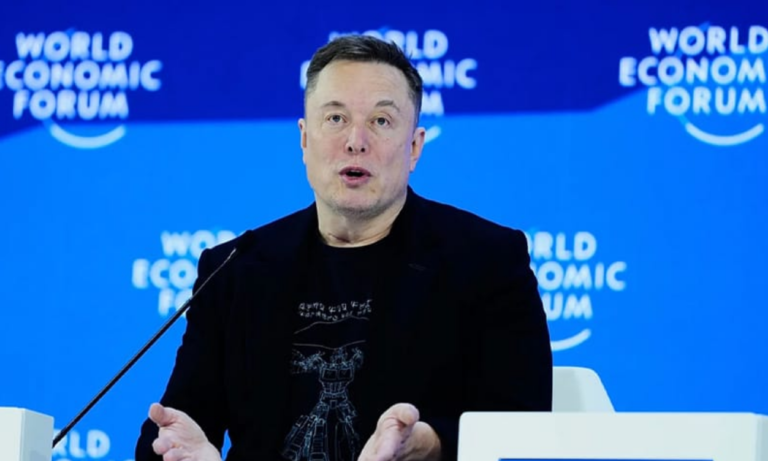
China has officially denied Elon Musk’s claim that Tesla’s Full Self Driving system could receive approval in the country soon. Chinese state media and Tesla China both clarified that there is no confirmed progress or timeline for regulatory clearance. The swift response highlights strict Chinese regulations around autonomous driving and growing skepticism toward optimistic public statements. For Tesla, the denial underscores deeper regulatory, competitive, and credibility challenges in its most important electric vehicle market.
Introduction: Why China Rejected Tesla FSD Approval Claims
Elon Musk’s statements about Tesla’s Full Self Driving approval often generate global attention, especially when they involve major markets like China. However, recent remarks suggesting near-term approval were quickly dismissed by Chinese authorities. This response reflects a broader pattern where regulatory reality clashes with ambitious timelines. China remains cautious about autonomous driving, emphasizing safety, data security, and consumer protection. The denial matters not just for Tesla but for the global future of self-driving technology.
Latest Update
- Chinese state media publicly contradicted Elon Musk’s comments, signaling a rare and direct correction of a foreign executive’s claims. The response emphasized that no regulatory approval is imminent.
- Tesla China confirmed that there is no new update on Full Self Driving entering the local market. The statement reinforced alignment with government messaging.
- Regulators continue to restrict the use of terms such as full self driving in marketing. Authorities remain focused on preventing consumer misunderstanding.
- Domestic electric vehicle brands are accelerating deployment of advanced driver assistance features. Many offer these systems as standard rather than paid upgrades.
Why Did China Publicly Deny Elon Musk’s FSD Timeline?
China denied the claim to maintain regulatory authority and avoid public confusion. Autonomous driving approval follows strict internal evaluations that are rarely discussed publicly. Musk’s comments created expectations that did not align with official processes. A quick denial helped reinforce regulatory discipline.
China’s automotive regulators operate under a centralized framework. Approvals for advanced driver assistance systems require extensive testing and data validation. Public statements suggesting imminent approval can pressure agencies or mislead consumers. By responding quickly, Chinese media signaled that approval decisions remain confidential and procedural.
This denial also reflects a broader stance on foreign technology narratives. China prefers to announce approvals on its own terms. The move protects regulatory credibility and ensures safety standards remain the primary focus.
Read Also: Bank of England Tool Reveals Chinese Export Price Decline Amid Global Tariffs
How Does China Regulate Full Self-Driving and Autonomous Systems?
China regulates self-driving systems through strict advertising rules, technical standards, and data oversight. Automakers cannot market features as autonomous unless they meet defined criteria. Continuous supervision and driver responsibility are mandatory.
The Ministry of Industry and Information Technology restricts language that implies full autonomy. Terms that suggest hands-free or driverless operation are discouraged. Systems must be described as driver assistance, not autonomy.
Data security is another major factor. Vehicles collect vast amounts of road and user data. Regulators require local data storage and review, adding complexity for foreign companies.
Key Regulatory Requirements in China
- Clear driver supervision at all times
- Restrictions on autonomous terminology
- Local data compliance and security audits
- Incremental approval rather than full rollout
Tesla FSD vs. Major Chinese Competitors (2025-2026)
| Feature | Tesla (China Version) | XPeng (XNGP) | BYD (DiPilot) |
|---|---|---|---|
| Hardware Sensor Suite | Vision Only (Cameras) | Lidar + Cameras + Radar | Lidar + Cameras + Radar |
| Standard/Premium | Premium Subscription | Standard on Max Trims | Standard on High-End |
| Urban Road Coverage | Limited / Pending | Most Major Cities | Rapidly Expanding |
| Regulatory Status | Level 2 (Supervised) | Level 2+ (Supervised) | Level 2 (Supervised) |
| Local Data Center | Required / Established | Native Infrastructure | Native Infrastructure |
What Is the Current Status of Tesla FSD in China?
Tesla currently offers limited driver assistance features in China without using the Full Self Driving label. The system lacks several advanced capabilities available in other markets. There is no confirmed timeline for expanded approval.
Tesla introduced enhanced assistance features while carefully adjusting branding. This approach complies with local rules but reduces perceived innovation compared to other regions.
The gap between China and other markets highlights how regulation shapes technology adoption. Tesla must adapt features and messaging to local expectations.
Read Also: European Gas Prices Hit Seven Month High as Cold Snap Drains Storage
Comparison of Tesla FSD Features
| Feature | China Version | United States Version |
|---|---|---|
| City Navigation | Limited | Advanced |
| Hands Free Capability | No | Partial |
| Branding as FSD | No | Yes |
How Do Chinese EV Makers Compare to Tesla in Autonomous Driving?
Chinese electric vehicle companies currently lead in local autonomous coverage. Brands like XPeng offer advanced driver assistance across most urban roads. These features are often bundled without extra cost.
Domestic companies benefit from close regulatory alignment and local data integration. Their systems are tailored to Chinese traffic patterns and infrastructure.
Tesla, by contrast, charges a premium for FSD features. Adoption remains relatively low compared to competitors.
Market Comparison Table
| Company | Urban Coverage | Pricing Model |
|---|---|---|
| Tesla | Limited | Paid Add On |
| XPeng | Wide | Included |
| BYD | Expanding | Bundled |
Why Elon Musk’s FSD Timelines Often Face Pushback?
Musk frequently shares optimistic projections to signal innovation leadership. However, regulatory processes rarely move at startup speed. This mismatch leads to repeated corrections.
Investors and consumers often react strongly to Musk’s statements. Regulators, however, prioritize caution over speed. Public optimism does not accelerate approval.
Repeated pushback may affect Tesla’s credibility. Over time, markets learn to discount aggressive timelines.
Read Also: India Cotton Textile Exporters Push for Zero Duty EU Access in FTA Talks
What Does This Mean for Tesla’s Business Strategy?
The denial reinforces Tesla’s need to rebalance its strategy in China. The company must compete on value, software adaptation, and regulatory cooperation rather than promises.
Tesla increasingly positions itself as an AI-driven company. Yet vehicle sales remain the core revenue source. Slower adoption of FSD challenges that narrative.
With declining global deliveries and rising competition, execution matters more than ambition.
How Could This Impact Global Autonomous Driving Trends?
China’s stance signals that autonomy will advance through gradual steps. Global automakers must align expectations with regulations. Full autonomy remains a long-term goal.
Other regions watch China closely. Regulatory caution in one major market can influence global standards.
The future likely favors incremental driver assistance rather than sudden autonomy breakthroughs.
Key Takeaways
- China firmly denied claims of imminent Tesla FSD approval.
- Regulatory control and safety remain top priorities.
- Domestic EV makers lead in local autonomous deployment.
- Tesla must adapt its strategy and messaging in China.
Frequently Asked Questions
Did China approve Tesla Full Self Driving?
No. Chinese authorities and Tesla China confirmed there is no approval or timeline for Full Self Driving.
Why did China deny Elon Musk’s statement?
The statement did not align with official regulatory processes. Authorities acted to prevent misinformation.
Is Tesla FSD available in China?
Only limited driver assistance features are available. They are not marketed as Full Self Driving.
Can Tesla legally use the term Full Self Driving in China?
No. Regulators restrict language that implies full autonomy.
Are Chinese EVs ahead in autonomous driving?
Yes. Many domestic brands offer wider coverage and bundled features.
Does this affect Tesla stock?
Short-term reactions vary, but long-term impact depends on execution and sales.
Will Tesla eventually get FSD approval in China?
Possible, but only after meeting regulatory and safety requirements.
Is supervised driving allowed in China?
Yes, but only with clear driver responsibility and approved features.
Conclusion
China’s swift denial of Tesla’s Full Self Driving approval claims highlights the gap between ambition and regulation. While Elon Musk continues to promote a vision of rapid autonomy, Chinese authorities remain firmly grounded in safety and control. The episode underscores the challenges foreign automakers face in adapting to local rules and competition. For Tesla, success in China will depend less on bold predictions and more on regulatory alignment, pricing strategy, and real-world performance. Autonomous driving remains a marathon, not a sprint.