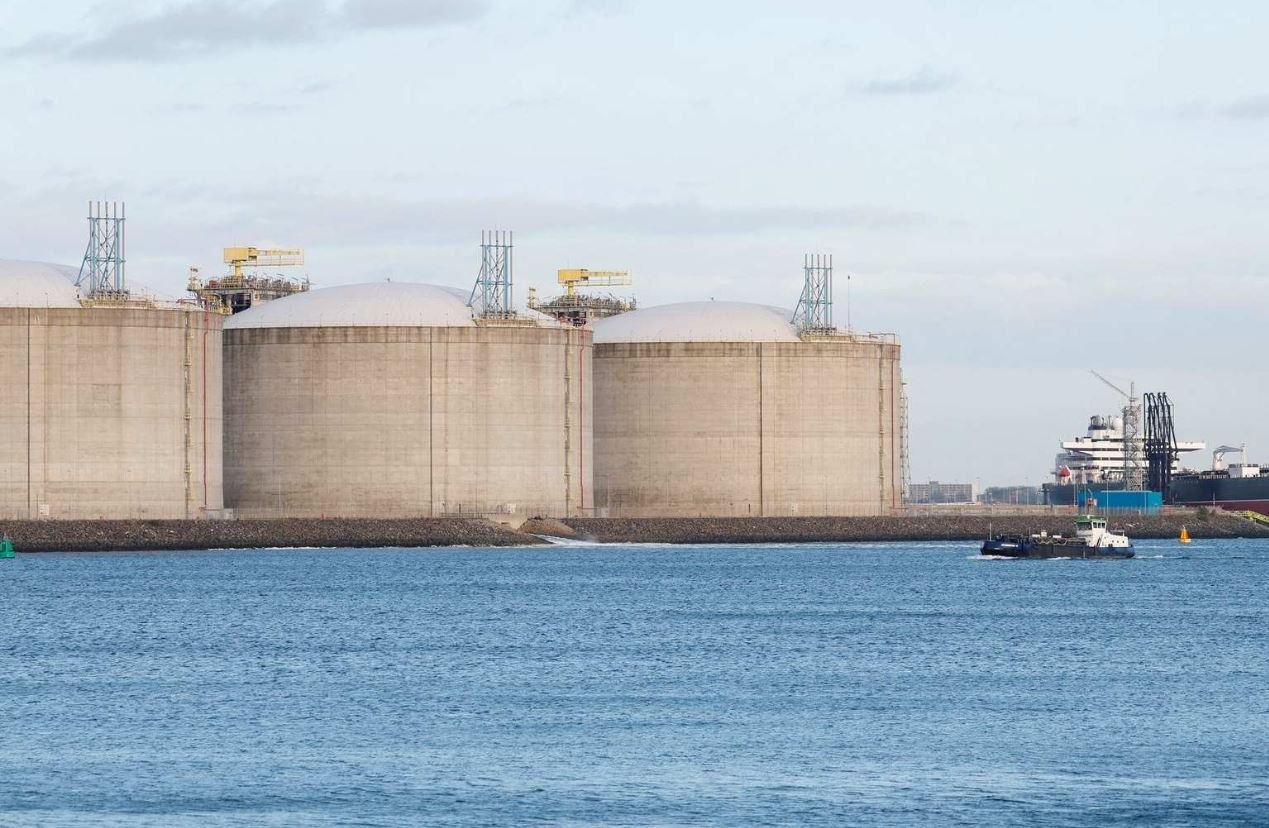
European gas prices have surged to a 7 month high as a severe cold snap boosts heating demand and rapidly drains underground storage. Benchmark prices briefly crossed €40 per megawatt hour, reflecting tightening supply conditions and growing reliance on LNG imports. Storage levels are far below seasonal norms, while financial investors have shifted sharply bullish. With weather risks and global LNG competition rising, price volatility is likely to remain elevated.
European natural gas markets are under renewed stress as winter weather intensifies and storage buffers shrink faster than expected. Prices at the Dutch Title Transfer Facility have climbed sharply, highlighting the fragile balance between demand, storage and imported supply. For governments, utilities and households, the surge underscores how exposed Europe remains to weather shocks and global energy flows.
Latest Update
- European gas benchmarks jumped above €40 per megawatt hour as colder temperatures increased residential and commercial heating demand across multiple regions.
- EU storage drawdowns accelerated, pushing reserve levels well below seasonal averages and increasing concern about late winter supply adequacy.
- Investment funds reversed bearish positions and added long exposure, amplifying price moves as technical buying intensified.
- Strong US gas demand raised fears of reduced LNG availability for Europe, highlighting transatlantic supply risks.
Why have European gas prices climbed to a 7 month high?
Prices rose because cold weather sharply increased heating demand just as storage levels fell to unusually low levels for mid winter. Limited spare supply and heavy reliance on LNG magnified the impact of weather driven demand.
The recent rally in European gas prices reflects a classic supply demand squeeze. A widespread cold snap boosted gas consumption for heating across households, offices and industrial facilities. At the same time, underground storage which normally acts as a buffer was already depleted faster than usual.
Unlike previous winters when pipeline gas from Russia provided flexibility, Europe now depends heavily on LNG imports. This means supply is less predictable and more exposed to global competition. Any surge in demand tightens the market quickly.
Financial dynamics also played a role. As prices rose, hedge funds and traders closed short positions and moved long, accelerating gains. This combination of physical tightness and financial repositioning pushed prices to levels not seen since early summer.
Read Also: Indian Export Stocks Surge as Trump Signals India US Trade Deal Progress
How low are European gas storage levels compared to normal?
EU gas storage has fallen below 49 percent, far lower than the roughly 61 percent level seen at the same point last winter and well below the 5 year average near 65 percent.
Gas storage is critical for Europe because it balances seasonal demand swings. Normally, storage facilities are drawn down gradually during winter and refilled during summer. This year, withdrawals have been unusually heavy.
Since the heating season began, EU countries have withdrawn about 43 billion cubic meters of gas. Net withdrawals excluding injections exceed 38 billion cubic meters. This pace is significantly faster than historical norms.
Lower storage means less flexibility if cold weather persists or supply disruptions occur. It also raises refill pressure for the coming summer, which could keep prices supported well beyond winter.
| Metric | Current Level | Typical Level |
|---|---|---|
| EU storage fill rate | Below 49 percent | About 65 percent |
| Storage same period last year | About 61 percent | Not applicable |
| Net winter withdrawals | Over 38 bcm | Lower historically |
What role did hedge funds and traders play in the rally?
Investment funds rapidly shifted from bearish to bullish positions, cutting short contracts and adding long exposure, which intensified upward price momentum.
Market data shows a dramatic change in investor positioning. Within a single week, funds moved from a sizable net short position to a strong net long stance measured in terawatt hours. This reversal reflects both changing fundamentals and technical factors.
As prices began rising, stop loss levels were triggered. Traders who had bet on falling prices were forced to buy back contracts, pushing prices higher. At the same time, momentum focused funds entered the market on the long side.
While financial flows do not change physical supply, they can amplify price swings. In tight markets like the current one, this effect becomes especially pronounced.
Read Also: Investors Hit Peak Bullishness as Greenland Tariff Threat Jolts Global Markets
Why does US gas market volatility matter so much for Europe?
Europe now relies heavily on US LNG, so spikes in American gas demand or prices can reduce export availability and raise costs for European buyers.
US natural gas prices recently surged more than 25 percent due to an Arctic cold front boosting domestic heating demand. When US demand rises sharply, LNG exporters may have less flexibility to ship cargoes abroad.
Europe has become the primary destination for US LNG after pipeline flows from Russia collapsed. By late 2025, nearly 59 percent of EU LNG imports and 68 percent of UK imports came from the United States.
This dependency means European prices are increasingly linked to US weather and market conditions. Extreme cold in North America can quickly translate into tighter supply and higher prices in Europe.
How has Europe energy dependence changed since Russian pipeline gas declined?
Europe has shifted from heavy reliance on Russian pipeline gas to dependence on global LNG, particularly from the United States, reshaping price risks and geopolitical dynamics.
In 2019, Russian pipeline gas accounted for around 60 percent of European imports. By 2025, that share had dropped to roughly 8 percent. This shift was driven by geopolitical conflict and deliberate diversification efforts.
LNG filled much of the gap, with the United States emerging as the dominant supplier. While this improved supply security in one sense, it also introduced new vulnerabilities.
LNG markets are global and competitive. Europe must now bid against Asia and other regions, making prices more volatile and sensitive to global events.
| Supply Source | Share in 2019 | Share in 2025 |
|---|---|---|
| Russian pipeline gas | About 60 percent | About 8 percent |
| US LNG | Minimal | Nearly 59 percent of EU LNG |
| Other LNG suppliers | Moderate | Remaining share |
Could European gas prices rise further this winter?
Yes, prices could climb higher if cold weather persists, storage continues to fall, or LNG supply tightens further.
Weather remains the biggest near term risk. Forecasts showing prolonged cold can quickly drive prices higher as traders anticipate stronger demand. Storage levels provide limited cushion if temperatures stay low.
Supply side risks also matter. Any disruption to LNG production, shipping or regasification would tighten the market. Strong Asian demand could divert cargoes away from Europe.
While prices may retreat during warmer spells, the underlying balance suggests continued volatility rather than a quick return to low prices.
Read Also: HSBC Shares Fall as Trump Tariff Threat on Europe Rattles Global Markets
What does this mean for European households and businesses?
Higher wholesale gas prices increase the risk of elevated energy bills and cost pressures, especially where price caps or subsidies are limited.
Many households are partially shielded by regulated tariffs or government support, but sustained high prices eventually filter through. Businesses exposed to spot markets face more immediate cost increases.
Energy intensive industries such as chemicals, metals and food processing are particularly vulnerable. Higher gas costs can reduce competitiveness and output.
Governments may face renewed pressure to extend support measures, which has fiscal implications and political consequences.
How does this situation affect Europe energy transition goals?
Short term gas price spikes complicate the transition but also reinforce the case for efficiency, renewables and diversified energy systems.
High gas prices create immediate challenges, yet they also highlight the risks of fossil fuel dependence. This can strengthen support for renewable energy, heat pumps and efficiency investments.
However, rapid transition requires time and capital. In the interim, Europe must manage gas market volatility while building long term resilience.
Balancing affordability, security and sustainability remains a central policy challenge.
Key Takeaways
- European gas prices reached a 7 month high due to cold weather and low storage.
- EU storage levels are far below historical averages, limiting flexibility.
- Hedge fund repositioning amplified price gains.
- Heavy reliance on US LNG links Europe to American market volatility.
- Price volatility is likely to persist through the winter.
Frequently Asked Questions
Why are European gas prices rising so fast?
Cold weather increased demand while storage levels were already low, creating a tight supply balance and driving prices higher.
What is the Dutch Title Transfer Facility?
It is the main European gas trading hub and benchmark used to price natural gas across the continent.
How low is EU gas storage right now?
Storage has fallen below 49 percent, well under typical seasonal levels.
Why does US gas demand affect Europe?
Europe relies heavily on US LNG, so higher US demand can limit exports and raise European prices.
Has Europe replaced Russian gas fully?
Russian pipeline gas has largely been replaced by LNG, mainly from the United States and other suppliers.
Will gas prices fall soon?
Prices may ease during warmer periods, but overall volatility is expected to remain high.
Are households protected from high gas prices?
Some are shielded by regulation or subsidies, but prolonged high prices can still raise bills.
Does this impact renewable energy adoption?
Yes, high gas prices can accelerate interest in renewables and efficiency solutions.
Could LNG dependence become a geopolitical risk?
Greater reliance on US LNG gives suppliers leverage and exposes Europe to foreign policy dynamics.
What should policymakers focus on now?
Managing short term price risks while investing in long term energy resilience.
Conclusion
European gas prices hitting a 7 month high reflects a market under strain from cold weather, low storage and global supply risks. The surge underscores how dependent Europe has become on LNG and how closely its energy security is tied to weather patterns and overseas markets. While short term volatility is likely to persist, the situation also reinforces the importance of efficiency, diversification and long term transition strategies. For households, businesses and policymakers, navigating this period requires balancing immediate affordability with structural resilience.