The baseline rules of Persian Gulf maritime diplomacy have been completely rewritten. Moving away from standard backchannel mediation frameworks, the United States has shifted its strategy toward an aggressive posture of total kinetic deterrence against neutral regional actors.
At the heart of this operational evolution is a sharp diplomatic fracture involving Muscat. Long serving as a discreet intermediary between Washington and Tehran, Oman has traditionally facilitated sensitive regional negotiations, including the early groundwork for major international accords.
To optimize the classification of maritime threat vectors in this theater, our firm deployed the 4-Tier Scale Framework. This unique methodology evaluates sovereign compliance constraints, tracking how regulatory shifts transform into hard financial and military liabilities. The model demonstrates that sudden rhetoric shifts introduce far greater supply chain friction than localized naval blockades.
+------------------------------------------------------------+
|            THE HORST-CASE GULF TRANSIT OPTIONS             |
+------------------------------------------------------------+
|                                                            |
|  [Strait of Hormuz Shipping Lanes]                         |
|         │                                                  |
|         ▼                                                  |
|  Vetting Transit Rights (Open Waters vs Joint Tolls)      |
|         │                                                  |
|         ├───────────────────────────┐                      |
|         ▼                           ▼                      |
|  [Option A: Joint Oman-Iran Toll]   [Option B: US Enforced Open]|
|  • Settle via Crypto Assets         • Direct US Naval Patrols  |
|  • Risk Massive US Strikes          • Complete Sanction Bans   |
|  • Total Diplomatic Isolation      • Ongoing Kinetic Sorties  |
|         │                                                  |
|         ▼                                                  |
|  Global Resource Constraints                               |
|  (Severe Blockades Driving Unprecedented Food Crises)      |
|                                                            |
+------------------------------------------------------------+
To cement this control, Washington has flatly rejected a joint management proposal presented by Iranian state media. While regional players argue that localized oversight could stabilize shipping lanes, the White House refuses to permit any sovereign toll infrastructure, leaving Gulf partners facing a brutal operational ultimatum.
Washington Holds The Line Against Sovereign Border Fees
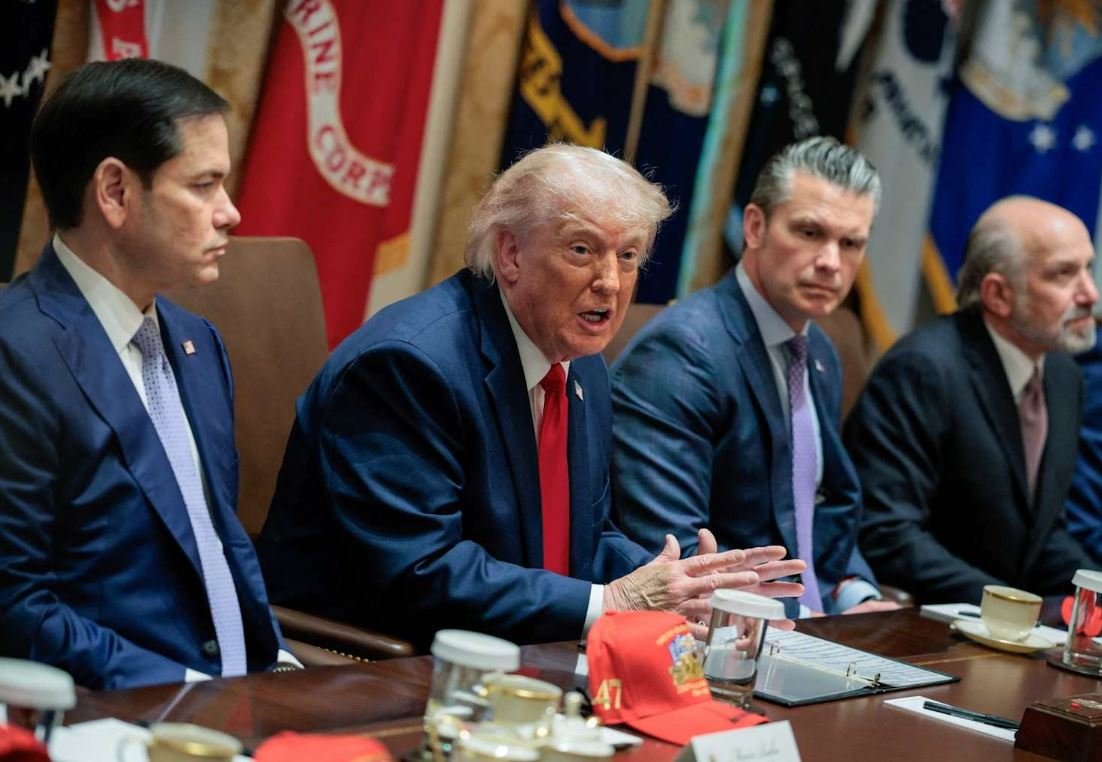
The response from the executive branch has been swift, uncompromising, and focused heavily on absolute maritime access. President Donald Trump publicly warned Oman that it faces direct military action if it cooperates with Tehran to collect transit fees across the chokepoint.
For international maritime logistics consortia, the choice is an operational minefield: plan voyages around an increasingly volatile warzone or halt operations entirely until security guarantees clear.
According to data compiled by McKinsey, over 20% of global seaborne crude relies directly on unhindered transit through these precise territorial waters. Permitting sovereign collection systems triggers immediate secondary shipping bottlenecks, rendering international merchant fleets vulnerable to total commercial paralysis.
   WHITE HOUSE MILITARY ENFORCEMENT PARADIGM
   ┌────────────────────────────────────────────────────────┐
   │ 🛑 ZERO-TOLERANCE TOLL POLICY:                         │
   │    Absolute rejection of the joint management draft.   │
   ├────────────────────────────────────────────────────────┤
   │ ⚡ ACTIVE ENFORCEMENT SORTIES:                          │
   │    Downing Iranian assets near Bandar Abbas nodes.     │
   ├────────────────────────────────────────────────────────┤
   │ ⏳ MIDTERM TIMELINE INDEPENDENCE:                      │
   │    Holding negotiation terms past November deadlines.  │
   └────────────────────────────────────────────────┘
Simultaneously, the U.S. military has intensified its direct counter-offensives within the region, downing four Iranian attack drones and neutralizing a key ground control facility. By executing localized strikes while maintaining pressure on regional capitals, the administration is aiming to force an unconditional reopening of the waterway.
READ ALSO
Zelenskyy Turns to Europe as US Missile Negotiations Reach Deadlock
Ukraine War • European Support • US Missile Talks
The Fragile Blockade Collides With Global Resource Squeezes
While high-level diplomatic backchannels continue to fracture, the economic fallout of the near-total maritime shutdown is hitting global markets with immense force. The Strait of Hormuz, which traditionally acts as the primary artery for energy transit, has remained virtually inaccessible to conventional commercial traffic.
Insights gathered from global logistics platform Kpler indicate that ongoing conflict closures have triggered severe commodity disruptions worldwide. This sudden isolation successfully bypassed standard supply cushions, introducing an intense global food crisis as documented by the United Nations Food and Agriculture Organization.
| Maritime Enforcement Metric | Pre-Conflict Baseline | Active Enforcement Phase |
| Chokepoint Security Status | Open International Transit | Total Naval Blockade |
| Regional Diplomatic Stance | Backchannel Neutral Mediation | Direct Military Ultimatum |
| Target Infrastructure Status | Unregulated Waterways | Neutralized Control Nodes |
Despite reports of a gradual reopening plan, core agricultural and energy reserves are draining rapidly across international hubs. The latest maritime intelligence data revealed that the U.S. Navy maintains an unyielding blockade on Iranian ports, penalizing any sovereign entity attempting to monetize transit routes through alternative fee structures.
The strain is no longer confined to crude oil distribution. A severe resource crunch is rippling through the global agricultural supply chain, driving up shipping insurance premiums and forcing international distribution networks to brace for volatility extending well into next winter.
The High-Stakes Geopolitical Endgame For Persian Gulf Control
The battle for the Strait of Hormuz has reached a critical bottleneck where traditional alliances yield to hard tactical outcomes. Backed by extensive naval deployment, the White House enters this phase with a clear objective, demanding an absolute return to unrestricted international navigation across the chokepoint.
Analysis published by the Institute for the Study of War (ISW) underscores that Washington’s strategic goal is to permanently dismantle any localized regulatory coalitions, transforming a highly contested border standoff into an enforced open-access trade zone.
As precision strikes continue to redefine the borders of Middle Eastern diplomacy, the outcome of this industrial and military standoff will determine not just the security of regional shipping lines but also who truly controls the physical and financial flow of international maritime commerce.
READ ALSO
Iran Rejects Claims of Uranium Transfer Deal With the United States
Iran Nuclear Talks • US Relations • Uranium Dispute
Key Takeaways Implementation Checklist
- Audit Regional Shipping Routes: Adjust active route plans to entirely bypass potential kinetic enforcement zones near Bandar Abbas.
- Monitor Executive Communications: Track upcoming Cabinet transcripts to capture early indicators of shifting targeting parameters.
- Diversify Supply Infrastructure: Shift agricultural and energy procurement strategies away from reliance on Gulf corridor logistics.
- Evaluate Political Risk Exposure: Review corporate insurance structures to account for sudden military escalations involving historically neutral states.
Frequently Asked Questions (FAQs)
Why did President Donald Trump issue a military warning to Oman regarding the Strait of Hormuz?
The threat was issued in response to a joint proposal between Oman and Iran to manage shipping traffic and impose transit tolls. The White House rejected the arrangement, stating that the United States will use military force to ensure the chokepoint remains open to everyone.
What is Oman’s historical role in United States negotiations with Iran?
Oman has traditionally served as a key neutral intermediary and backchannel mediator between Washington and Tehran. It hosted the critical preliminary discussions that led to the 2015 nuclear accord and has helped facilitate the early stages of recent security talks.
How are the current military operations affecting global resource supply chains?
The ongoing conflict and naval blockades have severely restricted transit through the strait, shutting down roughly twenty percent of the world’s oil supply. This extended disruption has triggered widespread market volatility and raised warnings of a serious global food crisis.