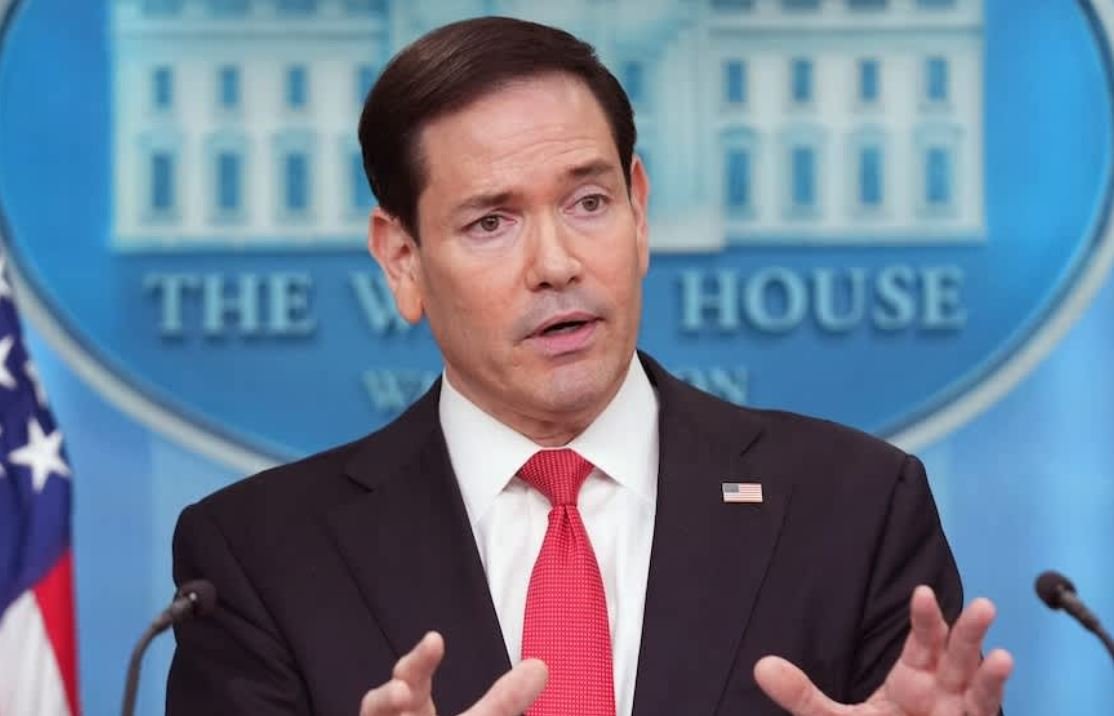
Iran has officially denied reaching a formal diplomatic agreement with the United States to transfer its highly enriched uranium stockpile outside domestic borders. This public pushback complicates active multinational truce negotiations intended to conclude the localized military conflict.
       [White House Blueprint] ──► [60-Day Disarmed Dispersal]
                                            │
                                            ▼
       [Regional Escalation] ◄── [Sovereign Red Line Defense] ◄── [Tehran Material Denial]
The underlying text of the emerging memorandum of understanding remains heavily contested by defense officials in Tehran. State-aligned news agencies characterize conflicting statements from American briefers as centralized psychological warfare.
As backchannel talks progress through international mediators, the verified status of the material remains an obstacle. Cross-border defense experts expect high market and political volatility to continue until concrete verification protocols achieve mutual bilateral ratification.
Technical Discrepancies in Preliminary Sovereign Frameworks
                       [Strategic Material Stockpile]
                                     │
               ┌─────────────────────┴─────────────────────┐
               ▼                                           ▼
   [Washington Disposal Plan]                 [Tehran Downblending Offer]
    • Direct transfer to US                    • Dilution to 3.7% purity
    • Immediate external shipping               • Retained within boundaries
    • Permanent 20-year freeze                  • Strict IAEA monitoring
The current diplomatic impasse centers on the verified disposal architecture of approximately 970 pounds of domestic uranium enriched to 60% purity. This specific concentration level sits a brief technical step away from standard weapons-grade configurations.
United States negotiators assert that a preliminary verbal commitment requires the complete relocation of this material to a third-party country. Conversely, Iranian foreign ministry representatives maintain that nuclear infrastructure modifications were excluded from initial cease-fire outlines.
The disagreement underscores a structural divide regarding the scope of the active security framework. While Western authorities require immediate disarmament parameters, regional officials view the agreement strictly as a mechanism for localized de-escalation.
READ ALSO
Trump Pushes for European Warships in Hormuz as Global Tensions Escalate
Global Politics • Hormuz Crisis • Military Standoff
Core Security Assertions and Sovereign Verification Protocols
The defensive posture of the state is coordinated through the Sovereign Strategic Resiliency Protocol to protect domestic technical facilities. This security protocol regulates strategic resource allocation across three distinct administrative areas:
- Boundary Enforcement: Restricting foreign physical access to state-managed military and scientific development installations.
- Material Retention: Refusing external relocation mandates for domestically processed chemical assets.
- Operational Segmentation: Separating immediate border security agreements from long-term proliferation discussions.
| Policy Parameter | United States Framework Vector | Iranian Strategic Position |
| Stockpile Disposal | Immediate Transfer to US Control | Internal Dilution to 20% Base |
| Enrichment Caps | Comprehensive 20-Year Moratorium | Monitored Peaceful Processing |
| Sanctions Relief | Contingent on Complete Relocation | Immediate Capital Unfreezing |
This defensive orientation is anchored by senior military appointments within the state apparatus. Mohammad Bagher Zolghadr, a veteran commander appointed to lead the Supreme National Security Council, has blocked compromises on processing architecture.
The security leadership considers the removal of refined material to be an unacceptable violation of national sovereignty. Consequently, negotiators will evaluate alternative downblending strategies to lower purities while keeping all assets within domestic facilities.
Executive Leverage and Enforcement Mechanisms
                 [Washington Enforcement Alternatives]
                                   │
         ┌─────────────────────────┼─────────────────────────┐
         ▼                         ▼                         ▼
[Maritime Blockade]       [Sanctions Denial]        [Kinetic Re-Escalation]
 Targeted cargo port       Withholding frozen        Resuming active military
 access restrictions       offshore capital pools    engagements in theater
The executive branch of the United States has intensified pressure by demanding the immediate surrender of refined material. White House briefs indicate that any failure to deliver components will result in the suspension of planned sanctions relief.
Sovereign enforcement channels rely on maintaining an absolute maritime blockade across critical commercial shipping lanes. This strict economic quarantine limits capital generation by blocking oil shipments from regional terminal networks.
Furthermore, state department officials note that formal legal language has stalled over verification definitions. If current backchannel mechanisms dissolve completely, active military engagements will resume with broader rules of engagement.
READ ALSO
Sensex and Nifty Rally Sharply as US-Iran Peace Hopes Boost Global Markets
Indian Markets • Sensex Rally • US-Iran Peace Signals
Key Takeaways Implementation Checklist
- Assess trade logistics models for potential disruptions along critical Middle Eastern trade lanes.
- Adjust corporate currency hedges against high volatility driven by shifting sanctions timelines.
- Audit energy supply chains to isolate operations from sudden shifts in fuel pricing benchmarks.
- Review multi-tier corporate compliance profiles against active state department trade restrictions.
- Maintain diversified asset locations to minimize exposure to sudden regional policy realignments.
Frequently Asked Questions
Why does Iran reject transferring its highly enriched uranium stockpile outside its borders?
The security leadership views the forced physical removal of refined materials as a direct violation of domestic sovereignty. The state prefers internal downblending to lower purity levels while keeping all physical assets inside domestic storage facilities.
What is the specific volume and technical purity of the disputed nuclear material?
According to data verified by the International Atomic Energy Agency, the domestic inventory contains approximately 972 pounds of uranium enriched to 60% purity. This chemical level requires minimal technical modification to achieve weapons-grade capability.
How do underwritten economic blockades affect the current round of diplomatic negotiations?
The maritime blockade restricts regular commercial shipping, which limits energy exports and cuts off access to international cash reserves. The United States uses this economic pressure to demand major nuclear concessions before granting sanctions relief.