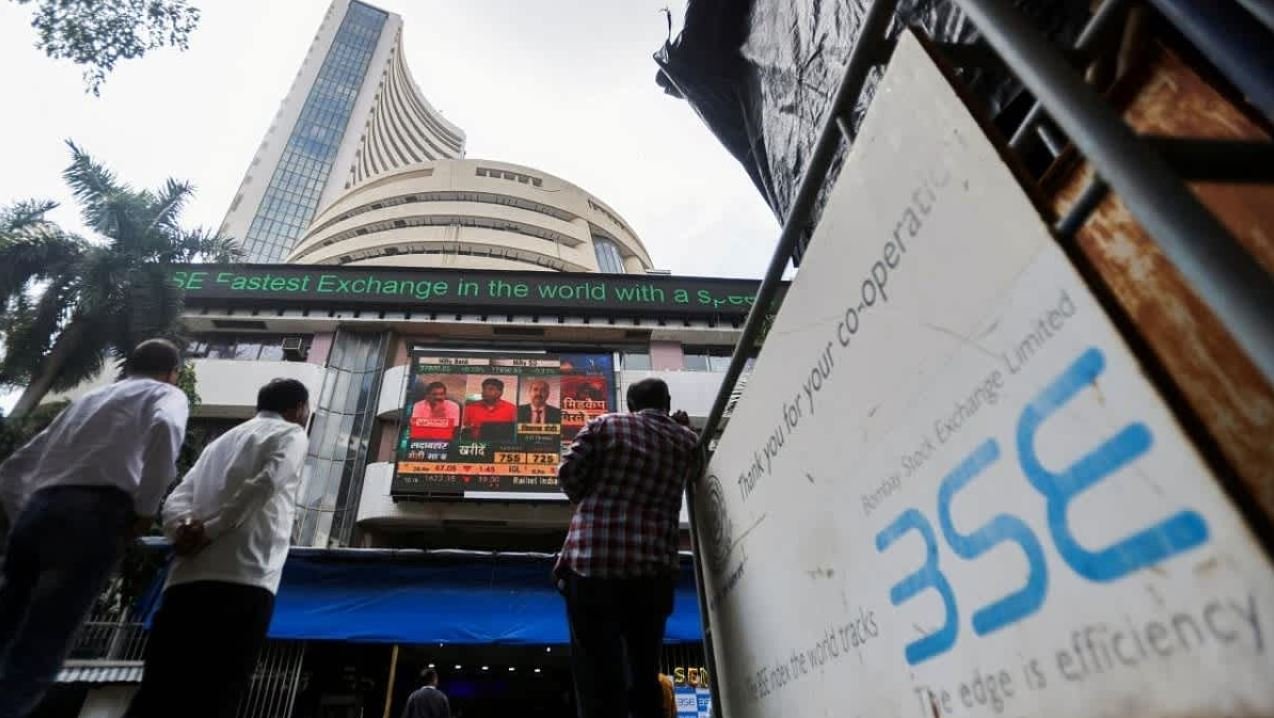
Indian benchmark indices witnessed a massive surge in early trade as easing geopolitical tensions in the Middle East and a powerful recovery in the domestic currency ignited widespread investor optimism. The benchmark BSE Sensex and the Nifty 50 both reclaimed critical psychological thresholds, breaking free from months of conflict-driven market volatility. Market analysts attribute this sudden bullish reversal to concrete progress in diplomatic negotiations between Washington and Tehran, alongside aggressive intervention by the central bank to stabilize the rupee.
Why Did Global Diplomatic Comments Trigger An Indian Market Rally?
The primary catalyst behind the sudden domestic market surge was an official confirmation that diplomatic talks aimed at resolving the Middle East conflict are nearing a breakthrough. Because India relies heavily on stable international maritime routes for its energy security, any signs of cooling geopolitical frictions immediately boost domestic investor confidence. Recent comments from the American presidency indicating that a major memorandum of understanding is in its final stages acted as a massive green light for institutional buyers.
Before these positive diplomatic developments, equity markets were plagued by deep anxieties regarding prolonged shipping blockades and potential supply shocks. The prospect of an imminent agreement centered on regional sanctions relief and a halt to uranium enrichment has effectively lowered the global geopolitical risk premium. This shift has prompted a rapid return of risk capital into emerging markets like India, which are highly sensitive to global trade stability.
Key Benchmark Performance Metrics
| Market Index | Intraday Peak Level | Net Point Gain | Percentage Jump |
| BSE Sensex | 75,945 | +627 Points | 0.83% |
| Nifty 50 | 23,859 | +200 Points | 0.85% |
How Did Central Bank Intervention Rescue The Indian Rupee?
The central bank successfully engineered a sharp rebound in the domestic currency by executing aggressive, preemptive dollar sales through state owned banking networks. Before the opening of the spot market, the monetary authority flooded the interbank order matching system with dollar liquidity to arrest a prolonged depreciation trend. This massive institutional move forced speculative short sellers to cover their positions rapidly, driving a dramatic 70 paise appreciation within minutes.
The rupee opened strongly at 96.30 against the US dollar, representing a substantial intraday gain of 0.5% and moving away from the historic lows observed in recent months. In earlier weeks, severe geopolitical stress had driven the currency pair toward a record low of nearly 100 against the greenback, raising fears of severe imported inflation. By establishing a firm floor for the currency, the central bank has successfully calmed foreign institutional investors, who view currency stability as a prerequisite for equity allocation.
READ ALSO
Gold Price Today: Safe-Haven Demand Surges Amid Market Uncertainty
Gold Market • Safe-Haven Demand • Global Uncertainty
Which Core Sectors Are Leading The Current Market Upside?
The current market rebound is being actively spearheaded by heavy weight banking, defense, aviation, and infrastructure equities. Banking giants like HDFC Bank and ICICI Bank witnessed aggressive accumulation because a strengthening rupee directly improves the domestic liquidity environment and lowers borrowing costs. Simultaneously, defense and infrastructure leaders like Bharat Electronics Limited and Larsen and Toubro saw robust buying as lower systemic uncertainty cleared the path for long-term capital expenditure.
The aviation sector, led by major carriers like IndiGo, emerged as a top performer due to the dual benefit of a strengthening currency and falling international fuel costs. Since aviation turbine fuel accounts for a massive chunk of an airline’s operational expenses, declining crude oil prices instantly expand corporate profit margins. Additionally, a stronger rupee reduces the financial burden of dollar denominated aircraft leases and foreign maintenance contracts, making these stocks highly attractive to momentum traders.
What Is The Broader Economic Context Behind This Financial Reversal?
This sudden financial turnaround comes after a grueling quarter characterized by extreme market volatility tied to direct military engagements and maritime trade disruptions. The escalation had previously led to the closure of vital shipping lanes, sending oil prices higher and triggering massive capital outflows from developing economies. The current recovery hinges entirely on the success of a structured framework being negotiated by top diplomatic envoys in Washington.
The proposed economic memorandum focuses on offering targeted sanctions relief to Tehran in exchange for verifiable rollbacks in strategic weapons development programs. This diplomatic breakthrough coincided perfectly with a strong tech driven rally in Western equity markets, creating an ideal global environment for a market bounce. As international crude prices ease, India’s macroeconomic indicators—particularly its fiscal deficit and wholesale inflation metrics—are projected to improve significantly over the coming weeks.
Comparative Analysis: Pre-Deal Uncertainty vs. Post-Announcement Outlook
| Macroeconomic Variable | During Peak Geopolitical Conflict | Emerging Post Deal Environment |
| USD/INR Exchange Rate | Approaching a historic high of 99.82 | Stabilizing strongly near the 96.30 level |
| Crude Oil Price Trajectory | Highly elevated due to shipping blockades | Softening rapidly on supply normalization hopes |
| FII Investment Flows | Heavy capital flight toward safe haven assets | Gradual return to high growth emerging markets |
| Domestic Market Sentiment | Defensive, risk averse, high cash allocations | Aggressive, sector rotation into cyclical stocks |
READ ALSO
European Stocks Hit Record High as French Earnings Impress Investors
European Markets • French Earnings • Investor Optimism
What Long Term Strategy Should Retail Investors Adopt Now?
While the sudden market surge offers massive relief, retail investors must maintain a disciplined, balanced approach rather than blindly chasing the initial momentum. Geopolitical rallies can occasionally trigger sharp knee jerk reactions, but long term wealth creation depends entirely on fundamental corporate earnings growth. Analysts recommend utilizing this period of improving sentiment to rebalance portfolios and reduce exposure to overly speculative, high debt entities.
Investors should focus heavily on high quality, large cap enterprises within sectors that possess strong structural tailwinds, such as domestic manufacturing, banking, and clean energy. Accumulating fundamentally sound stocks through systematic investment plans ensures that portfolios remain resilient against any future diplomatic delays or policy shifts. Maintaining an optimal asset allocation with an appropriate cash cushion allows market participants to capitalize on localized corrections without panicking.
In Short
- Indices Bounce: The Sensex rallied over 620 points, while the Nifty comfortably reclaimed the 23800 zone.
- Diplomatic Hope: Official confirmations that Western negotiations with Iran are in their final stages cooled energy fears.
- Currency Recovery: Strategic dollar liquidity injections by the central bank pulled the rupee back toward 96.30.
- Sector Leaders: Banking, defense, aviation, and infrastructure stocks dominated the intraday buying volumes.
Frequently Asked Questions
What caused the sudden surge in the Sensex and Nifty?
The surge was triggered by positive developments in diplomatic negotiations between Western powers and Iran, which eased fears of global oil supply disruptions. This optimism was further amplified by a powerful recovery in the Indian rupee.
How high did the Sensex and Nifty go during the rally?
The BSE Sensex climbed by 627 points to reach an intraday high of 75945, while the Nifty 50 surged by 200 points to touch a daily peak of 23859.
Why did the Indian rupee appreciate so rapidly?
The rupee appreciated after the central bank executed aggressive dollar sales through state owned banks before the market opened. This heavy institutional liquidity injection caused the currency to jump roughly 70 paise within minutes.
Which specific stocks led the intraday market rally?
The market advance was led by heavy institutional buying in prominent blue chip entities, including HDFC Bank, Bharat Electronics Limited, Larsen and Toubro, ICICI Bank, and InterGlobe Aviation.
What historic low did the rupee hit earlier?
Driven by intense regional geopolitical tensions and global trade disruptions, the USD/INR currency pair had previously climbed to an all time high of 99.82.
Why are aviation stocks benefiting from these global updates?
Aviation stocks are gaining because easing trade tensions lower the cost of international crude oil, directly reducing jet fuel expenses. Furthermore, a stronger rupee lowers the cost of dollar denominated aircraft leases.
What is the core focus of the proposed global diplomatic deal?
The proposed memorandum of understanding focuses on halting strategic nuclear enrichment programs in exchange for comprehensive economic sanctions relief, thereby restoring stability to critical maritime trade corridors.
Final Thoughts on India’s Market Outlook
The remarkable financial turnaround witnessed across Indian equity and currency markets underscores the deep interconnectedness of domestic asset classes and global geopolitical developments. While the initial market drop was driven by structural anxieties over energy logistics, the rapid recovery highlights the underlying resilience of India’s macroeconomic fundamentals. The proactive intervention by monetary authorities to defend the currency, combined with cooling international trade frictions, has provided a solid foundation for sustainable capital appreciation. Moving forward, as corporate earnings align with stabilizing global oil dynamics, the broader markets appear well positioned to sustain their upward trajectory, signaling a return of structural stability for long term investors.