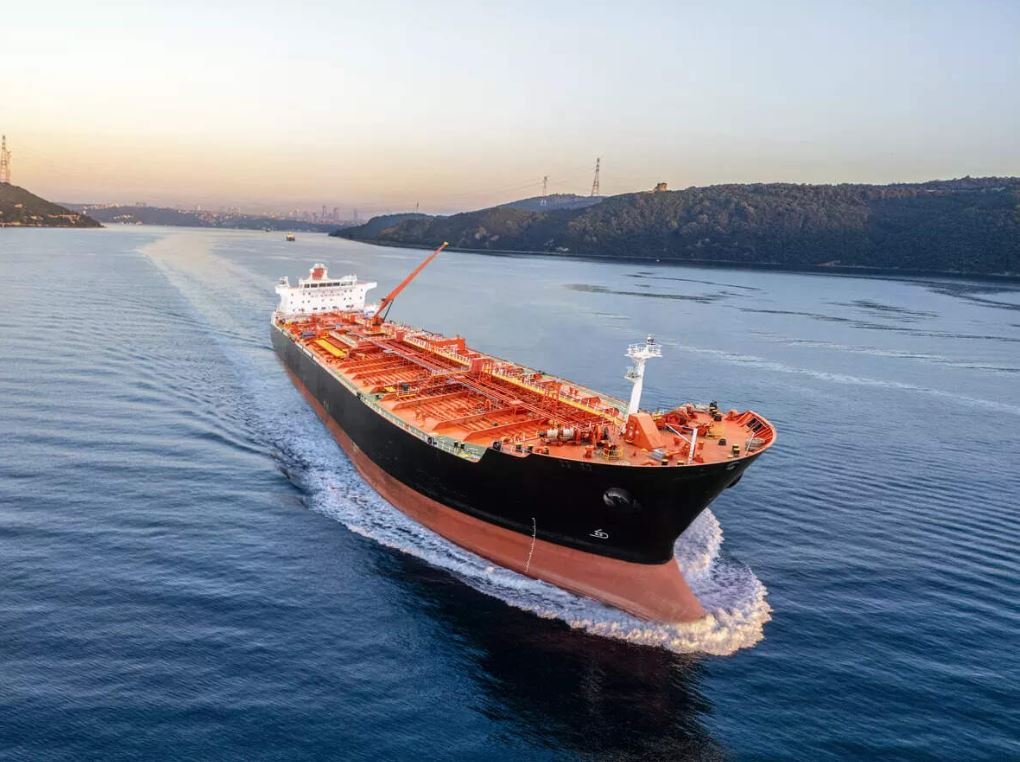
India is currently facing a severe liquefied petroleum gas supply deficit of approximately 400000 barrels per day compared to normal levels due to the ongoing geopolitical conflict in the Middle East. The closure of the Strait of Hormuz has severely disrupted maritime trade routes, cutting the country’s essential energy imports by more than half. To manage this crisis, India is rapidly diversifying its fuel import sources while accelerating a transition toward domestic clean energy alternatives like biogas and electric mobility.
What Is Causing The Current LPG Supply Deficit In India?
The primary cause of India’s current energy supply gap is a severe shipping bottleneck resulting from the closure of the Strait of Hormuz. Because India relies heavily on Middle Eastern producers for its cooking gas needs, any localized maritime blockade immediately cuts off the main supply artery. A sudden outbreak of regional hostilities led to extensive blockades, leaving transport tankers unable to navigate traditional shipping channels safely.
Before the crisis, steady imports kept Indian markets well supplied. The closure of the narrow strait effectively trapped massive volumes of contracted fuel, causing India’s imports to plunge by more than half within a span of two months. While local production units are operating at maximum capacity, they cannot bridge this massive gap because the country depends on foreign nations for a significant majority of its total consumption.
Monthly Supply Trends and Deficit Data
| Month | Import Volume (BPD) | Domestic Production (BPD) | Total Available Supply (BPD) |
| Pre Crisis Period | 851870 | 530000 | 1381870 |
| Crisis Period | 377620 | 530000 | 907620 |
| Net Shortfall | 474250 | 0 | 474250 |
How Are Extended Shipping Routes Impacting Supply Timelines?
Extended shipping routes are drastically slowing down delivery schedules because India is forced to buy fuel from distant Western countries. Securing emergency shipments from alternative nations means that cargo vessels must travel thousands of extra nautical miles. These long journeys mean that cooking gas takes much longer to arrive at Indian ports, which creates temporary stock shortages in domestic distribution networks.
When buying from traditional Middle Eastern suppliers, transport ships typically arrive at Indian docks within a few days. In contrast, emergency cargoes originating from places like Australia require nearly three0 days of continuous travel. Shipments traveling from South America or North America face even worse delays, frequently requiring 35 to 45 days to reach their destination. This massive increase in transit time reduces the frequency of supply deliveries and drives up overall maritime freight expenses.
Comparison of Global Logistics and Transit Times
| Supply Source Country | Average Transit Time | Shipping Route Challenges |
| Middle East Nations | 3 to 5 Days | High risk zone; currently blocked by maritime conflict |
| Australia | 20 Days | Long distance; requires sailing across open oceans |
| United States | 35 to 45 Days | Extremely long voyage; vulnerable to global canal delays |
| Argentina | 35 to 45 Days | High freight costs; subject to complex southern routes |
What Financial Burden Do Oil Marketing Companies Face?
Domestic oil marketing enterprises are bearing a staggering financial burden because the government is keeping retail cooking gas prices stable for consumers. Even though international procurement costs have skyrocketed due to shipping crises, local retail prices are controlled to protect citizens from inflation. As a result, state owned energy companies are losing hundreds of rupees on every single cylinder they distribute.
Lenders and financial agencies estimate that under recoveries have hit 380 rupees per cylinder. This means the gap between the actual import cost and the domestic selling price is growing wider every week. Total cumulative losses for these distribution entities are projected to surpass 40500 crore rupees within a matter of months, with full year losses potentially climbing to 80000 crore rupees. This massive drain on capital reduces the ability of these corporations to invest in critical pipeline expansions and refinery upgrades.
Read Also: Modi and Trump Set for High-Stakes G7 Encounter
How Is The Government Transitioning To Alternative Clean Energies?
The government is turning this severe supply disruption into a strategic window to accelerate the adoption of clean, domestic energy alternatives. Rather than relying solely on erratic foreign fossil fuel markets, policymakers are designing massive long term subsidy programs. These financial initiatives aim to transition the heaviest fuel users toward sustainable, electric infrastructure.
A major focus of the new policy is a proposed 1 billion dollar incentive plan designed to run for a decade. This program directly targets inter city bus operators and heavy commercial trucking fleets, which are traditional consumers of diesel and petroleum products. By offering interest subsidies of up to 15 lakh rupees per vehicle alongside credit guarantees for banks, the state hopes to build a clean transport network that is completely immune to international shipping crises.
Why Is Decentralized Biogas Seen As A Solution For Energy Security?
Decentralized village level biogas systems are increasingly viewed as a permanent solution to safeguard India’s rural energy security. Energy experts argue that true independence requires moving away from centralized import networks toward local generation. Since rural areas possess abundant agricultural waste and cattle resources, they are ideal hubs for setting up small scale processing plants.
Biogas production creates a steady supply of clean cooking fuel right at the point of consumption, completely eliminating the need for long distance tanker logistics. Converting waste into usable gas protects rural households from global price shocks and international shipping blockades. Industry advocacy organizations emphasize that expanding these localized networks can replace imported liquefied petroleum gas while providing organic fertilizers for the agricultural sector.
What Strategic Upgrades Are Needed For India’s Energy Infrastructure?
To prevent future supply shocks, India must implement comprehensive multi fuel infrastructure upgrades across both urban and rural areas. Relying on a single dominant cooking fuel leaves the population highly vulnerable to international geopolitical standoffs. Building a resilient network requires blending piped natural gas networks, solar cooking devices, and alternative fuels into a unified national grid.
Expanding city gas distribution networks allows metropolitan homes to transition directly to piped natural gas, freeing up remaining cylinder supplies for remote areas. At the same time, large scale deployment of solar powered induction cooktops can drastically lower daytime gas consumption. Investing heavily in these diverse technologies ensures that a disruption in any single maritime trade lane will not trigger a nationwide household crisis.
Key Takeaways: Energy Crisis Summary
- The Core Deficit: India faces a massive 400000 barrels per day shortfall in liquefied petroleum gas supplies.
- Logistical Bottleneck: The critical Strait of Hormuz route is blocked, forcing reliance on distant global suppliers.
- Financial Damage: Oil distribution firms face up to 80000 crore rupees in annual losses from cylinder subsidies.
- Policy Response: A new 1 billion dollar electric vehicle package is being developed alongside village biogas networks.
Frequently Asked Questions
Why is India facing an LPG supply shortfall?
India faces this deficit because the Strait of Hormuz is closed due to a conflict in the Middle East. This vital maritime route handles the bulk of India’s cooking gas imports, and its closure has cut foreign supplies by more than half.
How much LPG does India produce domestically?
India produces approximately 530000 barrels per day of liquefied petroleum gas domestically. While local production units are operating at near maximum capacity, they cannot satisfy total national demand without substantial foreign imports.
What alternative countries is India buying fuel from?
India is securing emergency fuel shipments from alternative nations including Australia, Argentina, Chile, and the United States. These combined sources currently provide about 192000 barrels per day to help manage the domestic deficit.
Why do alternative shipping routes take so much longer?
Alternative routes take longer because suppliers like the United States and Argentina are geographically distant. Cargo ships require 35 to 45 days to complete these voyages, compared to just a few days from the Middle East.
What are under recoveries on cooking gas cylinders?
Under recoveries represent the financial loss that oil marketing companies accept when international acquisition costs rise but local retail prices are kept fixed. Lenders estimate companies lose 380 rupees on every cylinder sold.
How does the government plan to boost electric vehicles?
The government is planning a 1 billion dollar incentive program spanning ten years. The initiative will offer interest subsidies of up to 15 lakh rupees per vehicle to help commercial operators switch to electric options.
How can rural biogas networks help energy security?
Decentralized biogas networks utilize local agricultural waste to generate clean cooking fuel inside villages. This local production removes reliance on global supply chains and shields rural households from international trade blockades.
Final Thoughts on India’s Changing Energy Landscape
The current supply crisis highlights the danger of relying too heavily on imported fossil fuels through volatile maritime trade corridors. While the sudden drop of 400000 barrels per day in liquefied petroleum gas imports presents an immediate economic challenge, it also serves as an unprecedented turning point for national policy. By absorbing short term financial losses to protect consumers, while simultaneously funding long term electric vehicle and decentralized biogas infrastructure, India can build a self reliant energy framework. Diversifying supply origins and investing in domestic green technologies will ensure that the country’s economic growth remains secure, regardless of future geopolitical shifts across international waters.