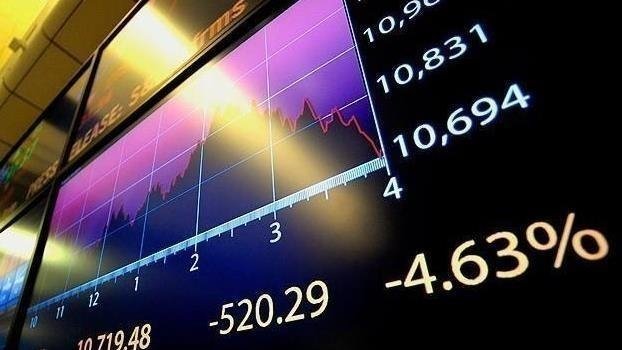
European stocks are reaching record highs even as former US President Donald Trump signals potential tariffs targeting Iran. Investors are focusing on strong corporate earnings, resilient economic data, and easing inflation across the eurozone. Markets appear to believe that any Iran-related tariff threat will have a limited direct impact on European companies. As a result, major indices like the DAX and CAC 40 continue to attract global capital despite geopolitical uncertainty.
European equities are defying geopolitical tension. While Donald Trump has floated the idea of new tariffs linked to Iran, investors across Europe are betting that regional fundamentals remain strong. Corporate earnings are beating expectations, energy prices have stabilized, and central banks are signaling a more balanced policy approach. The result is a rally that has pushed key European stock indices to record levels, drawing the attention of global investors seeking diversification beyond US markets.
Latest Update
- European benchmark indices continue to post fresh highs as investors rotate capital from US technology stocks into diversified European sectors such as industrials and financials. Market analysts note improved earnings guidance from major European exporters.
- Oil prices showed moderate volatility following renewed tariff rhetoric connected to Iran. However, European energy companies remain stable due to diversified supply chains and long term contracts.
- The euro strengthened against the dollar as inflation data suggested price pressures are easing. This has reinforced expectations that monetary policy tightening may be nearing its peak.
- Global funds increased allocations to European ETFs, citing valuation discounts compared to Wall Street. Portfolio managers highlight stronger dividend yields as a key attraction.
Why Are European Stocks Hitting Record Highs Despite Trump’s Threat of Iran Tariffs?
European stocks are rising because investors see limited direct exposure to potential US tariffs on Iran. Strong corporate earnings, lower inflation, and attractive valuations compared to US markets are outweighing geopolitical concerns. Capital flows into Europe have increased as investors diversify risk.
Market resilience often depends on fundamentals rather than headlines. While tariff threats create short-term volatility, European corporations are benefiting from:
- Improved manufacturing output in Germany and France
- Strong luxury and consumer brand sales in Asia
- Stable energy supply strategies
- Banking sector profitability from higher interest margins
Investors also believe that direct trade links between most European firms and Iran are limited. This reduces immediate earnings risk. Furthermore, European governments have diversified energy sources since earlier geopolitical crises, making the region less vulnerable to sudden supply shocks.
Valuations are another driving factor. European equities trade at lower price-to-earnings ratios compared to the S&P 500. For global investors seeking value, Europe looks attractive.
| Index | Recent Performance | Key Drivers |
|---|---|---|
| DAX | Record High | Industrial exports, manufacturing rebound |
| CAC 40 | Record High | Luxury goods demand, global sales |
| FTSE 100 | Near Peak | Energy and commodity strength |
How Could Trump’s Iran Tariff Threat Affect Global Markets?
Tariffs related to Iran could impact oil prices, global trade sentiment, and risk appetite. However, the direct financial exposure for European corporations appears limited. The bigger risk lies in energy market volatility.
If new tariffs are implemented, the most immediate reaction would likely occur in oil markets. Iran is a significant oil producer, and any disruption can influence Brent crude prices. Higher oil prices could increase inflation across Europe.
Possible ripple effects include:
- Higher fuel costs for consumers
- Increased production expenses for manufacturers
- Temporary stock market volatility
- Currency fluctuations between the euro and the dollar
However, European firms have built stronger hedging strategies. Energy diversification, including renewables and LNG imports, reduces vulnerability. This structural change explains why markets are not panicking.
Are European Stocks Now More Attractive Than US Stocks?
Many analysts believe European stocks offer better value compared to US equities. Lower valuations, higher dividend yields, and diversified sector exposure make Europe appealing during geopolitical uncertainty.
US markets have been dominated by large technology firms, pushing valuations higher. Europe offers a broader sector mix, including industrials, financials, healthcare, and luxury brands.
| Factor | Europe | United States |
|---|---|---|
| Average P E Ratio | 14 to 18 | 20 to 25 |
| Dividend Yield | 3% to 4% | 1% to 2% |
| Sector Concentration | Diversified | Tech Heavy |
| Currency Impact | Euro Strength | Dollar Volatility |
For investors holding portfolios in ₹ or $, diversification into Europe may reduce concentration risk. Exchange-traded funds tracking European indices are seeing rising inflows.
What Sectors Are Leading the European Market Rally?
Industrials, luxury goods, banking, and energy companies are leading the European rally. Strong export demand and higher interest income are supporting growth.
German industrial firms benefit from global infrastructure spending. French luxury brands continue to see strong demand in Asia and North America. European banks are reporting improved profitability due to higher lending margins.
Energy companies remain stable despite oil volatility. Long-term supply agreements cushion sudden price spikes. Renewable energy investments also strengthen long term outlook.
Investors are focusing on companies with global exposure rather than local demand alone. This global revenue base provides resilience.
How Are Currency Movements Influencing European Stocks?
A stronger euro signals confidence in the European economy and attracts foreign capital. However, it can reduce export competitiveness if it rises too sharply.
The euro’s movement against the dollar impacts multinational earnings. When the dollar weakens, European exports become slightly less competitive in the US market. Yet currency stability often boosts investor confidence.
For global investors measuring returns in $, currency gains can enhance overall portfolio performance. Exchange rate dynamics are therefore a hidden driver of the rally.
What Should Retail Investors Do Now?
Retail investors should focus on diversification, sector balance, and risk management. European stocks can offer stability, but geopolitical risks remain.
Consider the following approach:
- Allocate across multiple sectors
- Use low-cost ETFs for broad exposure
- Monitor oil prices and central bank signals
- Avoid overreacting to short-term headlines
Investing is about long-term fundamentals. While tariff rhetoric grabs attention, earnings growth ultimately drives markets.
Key Takeaways
- European stocks are at record highs despite tariff threats linked to Iran.
- Strong earnings and lower valuations support the rally.
- Oil volatility remains the biggest short term risk.
- Europe offers higher dividend yields compared to US markets.
- Diversification remains essential for global investors.
Frequently Asked Questions
Why are European stocks rising now?
European stocks are rising due to strong corporate earnings, easing inflation, and attractive valuations compared to US markets.
Will Trump’s Iran tariff threat hurt European markets?
The direct impact appears limited because most European firms have minimal trade exposure to Iran. Energy volatility is the main risk.
Are European stocks cheaper than US stocks?
Yes. European markets typically trade at lower price to earnings ratios and offer higher dividend yields.
How do oil prices affect European stocks?
Higher oil prices can increase costs for businesses and consumers, but diversified energy sources reduce severe impact.
Is now a good time to invest in European ETFs?
For diversified portfolios, European ETFs can provide value exposure and geographic balance.
Which sectors are strongest in Europe right now?
Industrials, luxury goods, banking, and energy sectors are leading performance.
Conclusion
European stocks hitting record highs despite Trump’s Iran tariff threat highlight the power of fundamentals over fear. Strong earnings, diversified sectors, and attractive valuations continue to attract global capital. While geopolitical headlines may create volatility, the broader trend suggests investor confidence in Europe’s economic resilience. For investors managing portfolios in $ or ₹, Europe offers diversification, steady dividends, and balanced sector exposure. Staying informed and focusing on long term fundamentals remains the smartest strategy in uncertain times.