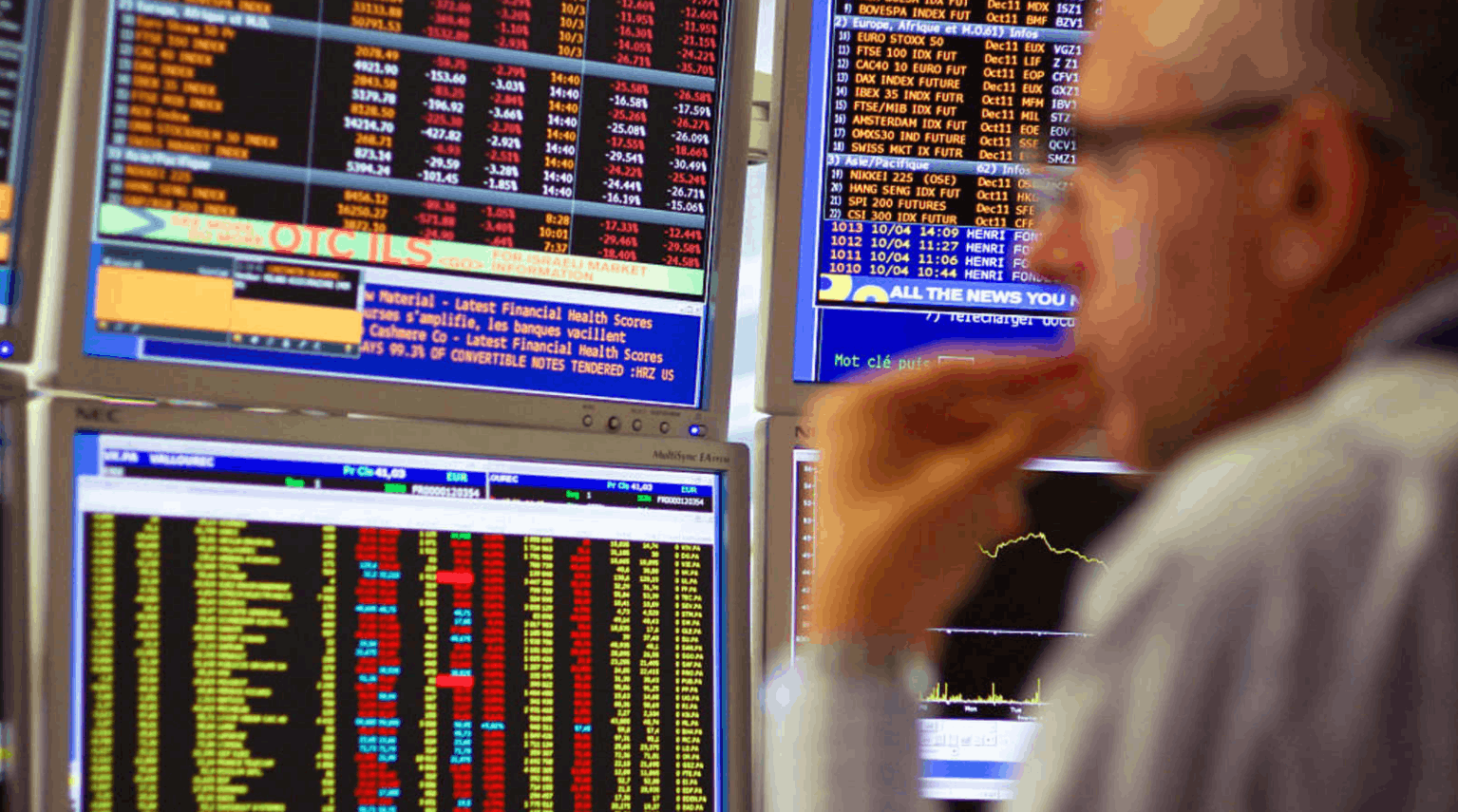
European equity markets are demonstrating remarkable resilience, with major indices pushing toward record highs even as global investors navigate a complex backdrop of protectionist trade threats and geopolitical friction. While initial market anxiety centered on territorial disputes over Greenland and sweeping baseline import taxes, the focus has shifted.
Today, international markets are closely tracking the final implementation stages of a reciprocal U.S.–EU trade pact ahead of a strict July 4 deadline. Simultaneously, diplomatic progress regarding the Strait of Hormuz has eased structural energy concerns. Rather than reacting defensively to political headlines, global capital is aggressively rotating into European equities, drawn by strong corporate earnings, moderating eurozone inflation, and highly attractive valuations relative to Wall Street.
Introduction
The narrative dominating global financial hubs is no longer just about avoiding a trade war; it is about recognizing a structural shift in capital allocation. For much of the past year, international fund managers operated with a highly defensive posture, navigating a restrictive “higher-for-longer” monetary stance and elevated producer price pressures. However, recent corporate performance has forced a reassessment.
While the S&P 500 continues to grapple with steep valuation multiples driven by a highly concentrated technology sector, European markets are presenting a fundamentally different landscape. Backed by solid industrial performance and a stabilizing macroeconomic backdrop, indices like the DAX and CAC 40 are proving that underlying economic strength can successfully absorb geopolitical noise.
Strategic Realignments: Where Global Funds are Moving
The current market momentum has triggered rapid, intentional realignments among major institutional funds and private wealth portfolios:
The Transatlantic Valuation Rotation: Global asset managers are actively diversifying away from expensive, top-heavy U.S. technology giants. This capital is rotating directly into diversified, value-driven European sectors, including heavy industrials, infrastructure, and banking.
Resurgence in Tech and Semiconductor Anchors: It isn’t just traditional value sectors gaining ground. Boosted by global artificial intelligence infrastructure demand, European semiconductor equipment manufacturers and tech hubs are receiving massive international fund inflows.
Appetite for Yield and Inflow Acceleration: Record allocations are pouring into European exchange-traded funds (ETFs). Investors are prioritizing regional markets that offer broader sector diversification, lower average price-to-earnings multiples, and stronger historical dividend yields.
READ ALSO
UAE Energy Giant Eyes Major Investment in Venezuela’s Gas Industry
Global Energy • Venezuela Gas Sector • UAE Investments
Core Catalysts Powering the European Rally
How are macroeconomic fundamentals stabilizing the Eurozone?
The primary driver behind the market’s bullish momentum is the clear moderation of inflation across the eurozone. As supply chain bottlenecks loosen and regional energy networks diversify further into renewables and liquefied natural gas (LNG), cost-push inflation pressures have eased. This stabilization has given the European Central Bank room to find a balanced monetary footing, boosting consumer confidence and lowering input costs for major manufacturers.
Why do investors see limited direct risk from Iran-related trade restrictions?
While proposed tariff penalties targeting countries with ties to Iran initially caused concern, deeper financial analysis has minimized the perceived threat. The direct trade exposure of major European corporations to Iranian markets is minimal, isolating the vast majority of corporate revenues from direct regulatory fallout.
The primary secondary risk—energy price volatility—has also been mitigated. Recent diplomatic breakthroughs pointing to progress in international peace talks have reduced the likelihood of prolonged maritime disruptions, keeping global crude prices stable and easing corporate energy cost projections.
What is the state of the U.S.–EU trade relationship?
Transatlantic trade relations are tracking a strict timeline. Following months of intensive negotiations, the European Union has moved to implement its side of a comprehensive, reciprocal trade pact, aiming to remove import duties on a vast array of U.S. industrial goods before July 4.
This swift legislative progress was heavily accelerated by earlier U.S. executive threats to levy a 25% tariff on European automotive imports. While the pending implementation has warded off an immediate trade escalation, European policymakers have strategically secured safeguard clauses allowing them to reinstall targeted duties on specific American manufacturing derivatives if trade imbalances widen later in the year.
Valuation Dynamics: Comparing Europe and the United States
The widening valuation gap between the two sides of the Atlantic explains why Europe has transformed into a primary target for international diversification:
Price-to-Earnings Multiples: While average U.S. market valuations hover at historically high multiples—frequently trading between 20 to 25 times earnings—major European indices offer a much more conservative entry point, generally averaging between 14 to 18 times earnings.
Dividend Yields: Income-focused portfolios are finding superior cash flow profiles in Europe, where average dividend yields sit comfortably between 3% and 4%, doubling the 1% to 2% yields typically found on Wall Street.
Sector Concentration Risks: The U.S. market remains heavily reliant on a small handful of mega-cap technology firms to sustain its gains. Conversely, Europe’s leadership is highly distributed across essential global industries, retail luxury, and commercial banking, offering a natural structural buffer against sector-specific shocks.
Key Sectors Driving the Regional Surge
Advanced Industrials: Heavy manufacturers, particularly within Germany, are experiencing a powerful demand surge fueled by a major wave of global infrastructure spending and rising export commitments across North America and Asia.
Luxury and Premium Consumer Goods: French luxury conglomerates continue to report robust global revenue growth, maintaining exceptional pricing power that effectively insulates their profit margins from standard inflationary pressures.
Commercial Banking: European financial institutions are reporting their strongest profitability metrics in years, significantly capitalising on wider net interest margins while maintaining highly resilient balance sheets.
READ ALSO
Coal India Explores Overseas Rare Earth Mines to Reduce China Dependence
Rare Earth Minerals • Coal India • China Trade Strategy
Actionable Insights for Private Portfolios
For private wealth participants looking to navigate this evolving market landscape, financial clarity requires moving past temporary political headlines and focusing on structural corporate strength:
Leverage Broad Regional ETFs: Rather than attempting to stock-pick individual foreign equities, utilizing liquid, low-cost European ETFs provides instant exposure to the region’s top-tier blue-chip companies while eliminating localized regulatory friction.
Prioritize Globally Diversified Revenue Streams: When assessing European firms, focus on multinational giants that derive the majority of their income from global operations, ensuring their earnings remain resilient regardless of domestic economic shifts.
Monitor Currency and Energy Volatility: Keep a close eye on the euro-to-dollar exchange rate and broader energy corridor stability. A steadily strengthening euro can boost total returns for foreign investors, provided the pace of appreciation does not inadvertently crimp the competitiveness of regional exporters.
Conclusion
The historic ascent of European equities serves as a powerful reminder that corporate fundamentals, earnings power, and realistic valuations ultimately dictate long-term market direction. Geopolitical headlines and tariff rhetoric can create brief windows of trading volatility, but they rarely disrupt businesses backed by global demand and clean balance sheets. For investors seeking a balanced, diversified approach to wealth creation, the European market currently offers a compelling combination of deep value, defensive sector architecture, and sustained structural growth.
For a deeper look into the macroeconomic adjustments shaping these global asset movements, you can watch this analysis of European market momentum, which breaks down why international fund managers are increasingly prioritizing European value over domestic growth models.