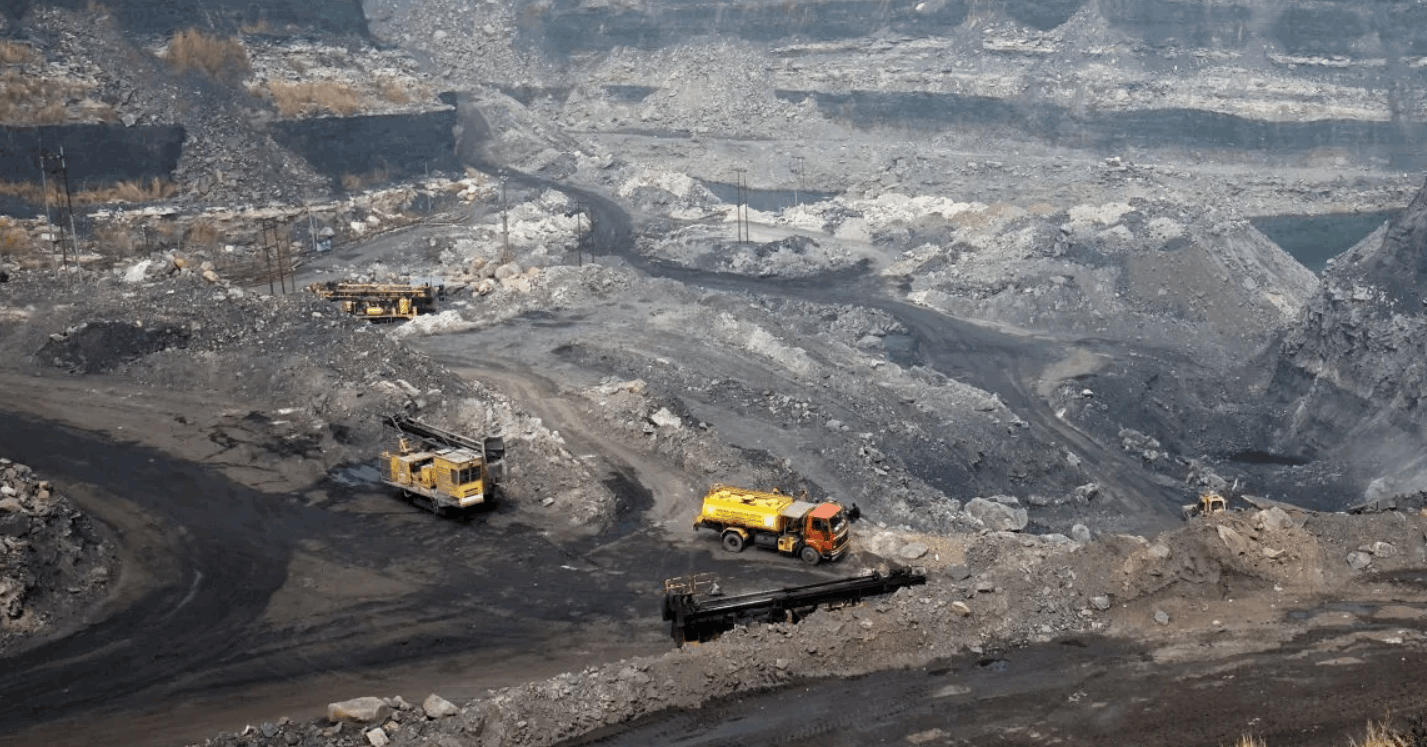
Coal India has begun exploring rare earth mining partnerships overseas to reduce India’s dependence on China dominated supply chains. The company is targeting mineral rich regions in Australia, Russia, Latin America, and Africa while also building domestic collaborations. This strategic move follows China’s tighter export controls on critical minerals that are essential for electric vehicles, electronics, and defense. The initiative signals a broader shift in India’s industrial and energy security priorities.
Coal India’s decision to enter the rare earth space marks a fundamental transformation for the world’s largest coal producer. Long known for powering India’s thermal energy sector, the company is now positioning itself as a strategic player in critical minerals. As global supply chains face rising geopolitical risks, India is accelerating efforts to secure materials that will define future industries. This pivot reflects urgency, opportunity, and a clear national mandate.
Latest Update
- Coal India has initiated early stage talks with overseas mining firms to explore rare earth extraction opportunities across multiple continents. The company is prioritizing regions with established mineral governance frameworks and export friendly policies.
- Bharat Coking Coal Limited plans to use proceeds from its successful public listing to fund overseas exploration and strategic collaborations. Investor interest reflects confidence in India’s infrastructure driven demand outlook.
- Domestic partnerships are also being explored with public sector mineral companies to strengthen India’s end to end critical mineral capabilities. These collaborations aim to reduce import risks and accelerate technical expertise.
- The initiative aligns with India’s broader push to secure supply chains for electric mobility, renewable energy, and defense manufacturing. Policymakers view rare earth access as a long term strategic necessity.
Why is Coal India looking beyond coal and into rare earth minerals?
Coal India is diversifying into rare earth minerals to stay relevant in a future shaped by clean energy, advanced manufacturing, and strategic autonomy. Rare earths are essential for batteries, wind turbines, electronics, and defense systems. By entering this sector, Coal India reduces overreliance on coal while supporting India’s industrial transition. The move also aligns with national priorities on energy security and technological self reliance.
The global energy landscape is changing rapidly. Coal demand may remain strong in the near term, but long term growth lies in clean technologies. Rare earth elements are the backbone of this transition. Motors in electric vehicles, magnets in wind turbines, and components in missiles all depend on these minerals.
China currently dominates global rare earth processing and exports. Any disruption impacts manufacturing worldwide. Coal India’s entry offers India a chance to build resilience. With its experience in large scale mining, logistics, and government coordination, the company is well positioned to scale quickly.
This strategy also helps Coal India future proof its business. Diversification reduces revenue risk while opening doors to higher value minerals. For investors and policymakers alike, the pivot signals adaptability rather than decline.
Read Also: European Stocks Hit Record Highs Despite Trump’s Iran Tariff Threat
How do China’s export controls change the global rare earth equation?
China’s export controls have exposed the vulnerability of global industries that rely heavily on a single supplier for rare earths. These restrictions have pushed countries to diversify sources and invest in domestic capabilities. For India, the controls act as a catalyst to accelerate overseas mining partnerships and strategic stockpiling. The result is a more fragmented but resilient global supply chain.
Rare earths include 17 elements critical to modern technology. China controls a majority share of mining and an even larger share of processing capacity. When export controls tighten, prices spike and availability becomes uncertain.
Industries affected include automotive, renewable energy, consumer electronics, and defense manufacturing. Even short disruptions can delay production cycles. This risk has prompted governments to treat rare earths as strategic assets rather than commodities.
India’s response is proactive rather than reactive. By investing early in overseas assets, Indian companies can secure long term offtake agreements. Coal India’s move fits squarely into this global recalibration.
Read Also: UAE oil giant weighs investment in Venezuela’s gas sector
Which countries are key targets for Coal India’s rare earth investments?
Coal India is evaluating rare earth opportunities in Australia, Russia, Argentina, Chile, and several African nations. These regions offer geological potential, mining expertise, and varying degrees of regulatory stability. Diversifying across geographies helps reduce political and operational risks. It also allows India to balance cost, access, and long-term supply security.
Each region offers unique advantages. Australia has mature mining regulations and established export infrastructure. Russia provides scale and resource depth, though geopolitical considerations remain. Latin American countries bring emerging potential with growing openness to foreign investment.
Africa remains underexplored but resource-rich. Strategic partnerships there can be mutually beneficial if managed responsibly. Coal India is expected to collaborate rather than operate solo, reducing risk and accelerating learning.
| Region | Key Advantage | Primary Risk |
| Australia | Stable regulation and expertise | Higher operating costs |
| Russia | Large scale reserves | Geopolitical uncertainty |
| Latin America | Emerging mineral potential | Policy volatility |
| Africa | Untapped resources | Infrastructure gaps |
How will IPO funding support Coal India’s global mineral strategy?
Proceeds from Bharat Coking Coal Limited’s public listing will be used to fund overseas acquisitions, exploration projects, and technical partnerships. This capital provides flexibility without increasing debt. It also signals transparency and market discipline as the company expands globally. Investors view the funding as a growth enabler rather than a short term liquidity event.
The public offering attracted strong demand, reflecting confidence in India’s steel and infrastructure outlook. Funds raised will support due diligence, equity stakes, and feasibility studies abroad.
Importantly, the IPO involved existing shares, ensuring financial stability. Listing on major exchanges enhances governance standards, which is critical when operating internationally.
This funding structure allows Coal India to act quickly as opportunities arise, a key advantage in competitive mineral markets.
Read Also: OpenAI, Anthropic, and SpaceX Prepare for $1.6 Trillion IPO Wave
How does rare earth mining compare with traditional coal operations?
Rare earth mining differs significantly from coal mining in complexity, value addition, and environmental management. While coal focuses on volume, rare earths emphasize precision and processing expertise. Margins can be higher but technical challenges are greater. Coal India’s experience provides a foundation, but partnerships will be essential.
| Aspect | Coal Mining | Rare Earth Mining |
| Output focus | High volume fuel | Low volume high value minerals |
| Processing | Limited beneficiation | Complex separation required |
| Market risk | Energy demand cycles | Geopolitical sensitivity |
| Environmental impact | Land and emissions | Waste and water management |
What role does India’s National Critical Minerals Mission play?
India’s National Critical Minerals Mission provides policy backing for overseas acquisitions and domestic capability building. It aims to reduce import dependence and secure long term access to strategic materials. Coal India’s initiative aligns directly with this mission. Together, they strengthen India’s negotiating position in global mineral markets.
The mission prioritizes minerals essential for batteries, renewables, and defense. It encourages public sector leadership supported by private innovation.
By aligning corporate strategy with national policy, Coal India reduces regulatory risk and accelerates approvals. This coordination is crucial for success abroad.
What does this mean for investors and Indian industry?
For investors, Coal India’s diversification improves long-term growth prospects and reduces sector concentration risk. For industry, it promises more reliable access to critical inputs. Over time, this can stabilize costs and support manufacturing expansion. The move enhances India’s strategic autonomy.
Steelmakers, automakers, and renewable energy firms all benefit from supply security. Investors gain exposure to future-facing minerals through a trusted public sector player.
This strategy also enhances India’s credibility as a global resource partner.
Key Takeaways
- Coal India is expanding into rare earth minerals to reduce China’s dependence.
- Overseas partnerships span Australia, Russia, Latin America, and Africa.
- IPO funding supports strategic acquisitions and exploration.
- The move aligns with India’s critical minerals mission.
- Diversification strengthens long-term energy and industrial security.
Frequently Asked Questions
Why are rare earth minerals important for India?
They are essential for electric vehicles, renewable energy, electronics, and defense manufacturing.
Is Coal India exiting coal mining?
No. Coal remains core, but rare earths add diversification and future growth.
Which company is leading this initiative?
Bharat Coking Coal Limited, a Coal India subsidiary, is spearheading the effort.
Will this reduce India’s reliance on China?
Yes. Diversified sourcing lowers supply chain risks over time.
Are private companies involved?
Coal India plans collaborations with domestic and foreign partners.
How soon will production begin?
The initiative is in early stages, with exploration and partnerships underway.
Does this impact steel production?
Indirectly. Secure minerals support stable steel and manufacturing growth.
Is this strategy environmentally sustainable?
Responsible mining practices and partnerships aim to manage environmental impact.
Conclusion
Coal India’s rare earth push marks a decisive shift in India’s industrial strategy. By looking beyond coal and investing in critical minerals, the company is aligning itself with future technologies and national priorities. The move reduces geopolitical risk, supports domestic manufacturing, and enhances long term resilience. As global competition for resources intensifies, early action matters.