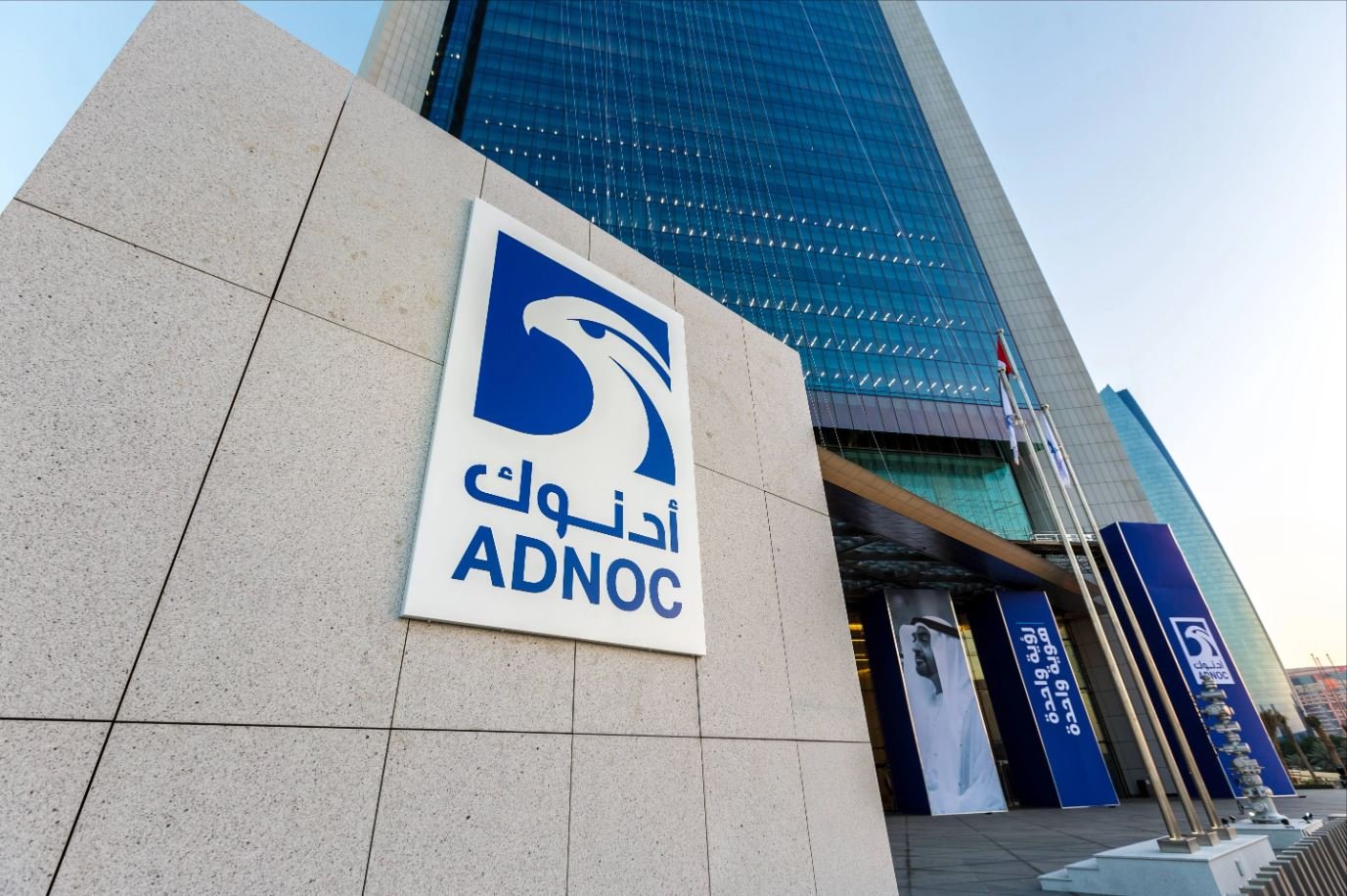
The Abu Dhabi National Oil Company is evaluating a potential investment in Venezuela’s natural gas sector through its global investment platform XRG. The move could unlock one of the world’s largest underdeveloped gas reserves while supporting the United Arab Emirates’ long term strategy to become a major global natural gas supplier by 2050. However, the investment remains in early evaluation and depends heavily on legal guarantees, political stability, and international cooperation. If the project moves forward, it could reshape global gas markets and help rebuild Venezuela’s struggling energy infrastructure.
Introduction
A major energy development may be unfolding as the Abu Dhabi National Oil Company considers entering Venezuela’s natural gas sector through its global investment arm XRG. The potential investment could revive massive gas reserves that have remained largely untapped for decades.
Venezuela holds one of the largest natural gas reserves in the world, yet the country exports very little due to years of political instability, sanctions, and deteriorating infrastructure. At the same time, the United Arab Emirates is rapidly expanding its global energy footprint as it seeks to become a top natural gas supplier.
If the partnership moves forward, it could create a powerful alignment between capital rich investors and resource rich energy assets. Still, major legal, political, and economic challenges remain before any final investment decision is made.
Latest Update
• A global energy investment platform has started preliminary due diligence on Venezuelan natural gas assets. Analysts say the review focuses on reserve potential, infrastructure needs, and export possibilities through nearby Caribbean LNG facilities.
• International policymakers have encouraged large scale energy investments aimed at rebuilding Venezuela’s damaged energy infrastructure. Such investments could require tens of billions of dollars over the coming decade.
• A dramatic political shift in Venezuela has changed the outlook for foreign investors. The evolving political environment may open the door to new international energy partnerships.
• Energy companies worldwide are closely monitoring regulatory developments. Investors are waiting for stronger legal protections before committing major capital.
Why Is the Global Energy Industry Interested in Venezuela’s Gas Reserves?
Venezuela attracts global energy interest because it possesses one of the largest natural gas reserves in the world. Despite this massive resource base, the country produces only a small fraction of its potential output. For international energy investors, the opportunity lies in unlocking these reserves through infrastructure development, LNG export capacity, and long-term production partnerships.
Expanded Explanation
Natural gas has become a critical fuel in the global energy transition. It produces fewer emissions than coal or oil while providing reliable power generation and industrial energy.
Venezuela holds an estimated 6.3 trillion cubic meters of natural gas reserves, placing it among the world’s top resource holders. Yet production levels remain low due to decades of underinvestment.
Several factors explain this gap between potential and production:
• Aging infrastructure
• International sanctions
• Political uncertainty
• Lack of export facilities
• Limited foreign investment
Most gas produced today is used domestically to support electricity generation and industrial activity. Export capacity remains extremely limited.
If international investors begin developing offshore gas fields and export pipelines, Venezuela could become a significant supplier to global LNG markets.
Global Natural Gas Reserve Leaders
| Country | Gas Reserves (Trillion m³) | Export Status |
|---|---|---|
| Russia | ~37 | Major pipeline and LNG exporter |
| Iran | ~32 | Mostly regional exports |
| Qatar | ~24 | Global LNG leader |
| Venezuela | ~6.3 | Minimal exports |
| United Arab Emirates | ~5.9 | Expanding LNG capacity |
This data highlights why international energy investors see strategic value in Venezuela’s resource base.
What Is the Global Energy Investment Platform Leading This Initiative?
The international investment platform XRG was created to expand global energy holdings across natural gas, chemicals, and lower-carbon energy technologies. The platform allows large-scale international investments while diversifying energy portfolios beyond domestic production. Its mission focuses on building long-term global energy partnerships.
Expanded Explanation
The global energy landscape is rapidly changing. Countries and companies are looking beyond domestic reserves to secure future supply chains.
The investment platform was launched with several strategic goals:
- Expand global gas production capacity
- Invest in chemical manufacturing supply chains
- Support lower-carbon energy technologies
- Secure long-term international energy partnerships
The platform quickly began acquiring stakes in major international energy projects.
Examples of investment priorities include:
• LNG export terminals
• Offshore gas developments
• Chemical manufacturing companies
• Energy transition technologies
These investments allow the platform to build a diversified global energy portfolio while reducing dependence on any single region.
Investment Growth Strategy
| Year | Estimated Asset Value | Key Investments |
|---|---|---|
| Launch Year | $80 Billion | Global energy investment platform established |
| Following Year | $120 Billion | International chemical and LNG projects |
| Current Projection | $150 Billion+ | Potential natural gas expansion projects |
The rapid growth demonstrates the ambition to become a major global energy investor.
Could the Dragon Offshore Gas Field Become a Major Energy Project?
The Dragon offshore gas field represents one of the most promising natural gas development opportunities in the Caribbean region. Located near existing LNG export infrastructure, the field could provide a relatively fast route to international markets. Energy companies view the project as a potential gateway for Venezuelan gas exports.
Expanded Explanation
Offshore gas fields often provide better opportunities for large-scale production and international exports.
The Dragon field has several advantages:
• Significant natural gas reserves
• Proximity to Caribbean LNG infrastructure
• Shorter development timelines compared with building new export terminals
• Potential partnership opportunities with international energy firms
The nearby island nation of Trinidad and Tobago already operates large LNG export facilities. If Venezuelan gas can be transported there through pipelines, exports could begin much sooner than building new LNG plants.
This infrastructure advantage significantly lowers development costs and project risks.
Potential development models may include:
• Joint venture partnerships
• Gas supply agreements
• Pipeline infrastructure investments
• LNG export agreements
Such partnerships allow investors to share both financial risk and operational expertise.
What Major Risks Could Affect Foreign Investment in Venezuela?
Despite its massive gas reserves, Venezuela presents several risks for foreign investors. Political uncertainty, legal protections, infrastructure decay, and sanctions policy all influence investment decisions. Energy companies require long term stability before committing billions of dollars to new projects.
Expanded Explanation
Energy projects require enormous upfront investments and long development timelines.
Investors must evaluate several major risks:
1. Political Stability
Energy projects often last decades. Investors require stable government policies and reliable contracts.
2. Legal Protection for Foreign Assets
Historically, some foreign companies experienced asset nationalization in the country. Investors now demand stronger legal guarantees.
3. Infrastructure Rehabilitation
Much of the country’s energy infrastructure needs significant repair.
Major areas requiring investment include:
• Offshore drilling platforms
• Gas pipelines
• LNG export facilities
• Processing plants
Experts estimate that rebuilding the energy sector could require tens of billions of dollars.
4. International Sanctions Policy
Energy investments must align with international regulatory frameworks and diplomatic agreements.
Without clear legal approval, major companies often avoid entering high-risk markets.
How Could This Investment Change the Global Natural Gas Market?
If large-scale gas development begins in Venezuela, global natural gas supply could increase significantly over the next two decades. This could strengthen energy security, diversify supply sources, and influence LNG trade flows worldwide.
Expanded Explanation
Global demand for natural gas continues to grow due to several factors:
• Transition away from coal
• Expanding electricity demand
• Industrial energy use
• LNG export market growth
New supply regions can help stabilize global energy prices.
Venezuela offers several advantages:
• Massive undeveloped reserves
• Strategic location near Atlantic shipping routes
• Access to Caribbean LNG infrastructure
• Opportunity for international partnerships
If development proceeds successfully, the country could become a significant LNG exporter.
For energy investors, this represents both a commercial opportunity and a strategic supply diversification.
Key Takeaways
• Venezuela holds one of the world’s largest untapped natural gas reserves.
• Global energy investors are evaluating opportunities to develop these resources.
• Infrastructure development and political stability remain critical factors.
• Offshore gas fields such as Dragon could provide the first export projects.
• If investments proceed, the project could reshape global natural gas markets.
Frequently Asked Questions
Why is there global interest in Venezuela’s natural gas?
Venezuela holds about 6.3 trillion cubic meters of natural gas reserves. Much of this resource remains undeveloped due to decades of political and economic challenges.
Why has Venezuela produced so little natural gas?
Limited infrastructure, international sanctions, and economic instability have restricted large scale production and export development.
What is the Dragon offshore gas field?
The Dragon field is a large offshore natural gas reserve located near Caribbean LNG export infrastructure, making it a promising candidate for international gas exports.
Why do global investors want access to Venezuelan gas?
Access to large undeveloped reserves can increase long term supply security and expand global natural gas portfolios.
How much natural gas does Venezuela produce today?
The country produces roughly 30 billion cubic meters of gas annually, with most of it used domestically rather than exported.
What challenges must be solved before investment occurs?
Investors require legal protections, stable political conditions, infrastructure upgrades, and clear international regulatory approval.
Could Venezuela become a major LNG exporter?
Yes. With sufficient investment in pipelines, processing facilities, and LNG terminals, the country could become a significant global gas exporter.
Why are international energy partnerships important?
Energy projects require large capital investments and technical expertise, which are often shared between multiple global partners.
What role does infrastructure play in gas development?
Pipelines, processing plants, and LNG terminals are essential for transporting natural gas from fields to global markets.
Conclusion
The potential entry of a major global energy investor into Venezuela’s natural gas sector represents one of the most significant energy developments currently under discussion. Venezuela holds enormous gas reserves but lacks the infrastructure and investment needed to fully develop them.
International partnerships could unlock these resources while supporting global energy demand and economic recovery in the region. Still, the path forward depends on stable governance, legal protection for investors, and large scale infrastructure rebuilding.
If these challenges are resolved, Venezuela could emerge as a major player in global natural gas markets while helping reshape the future of international energy supply.