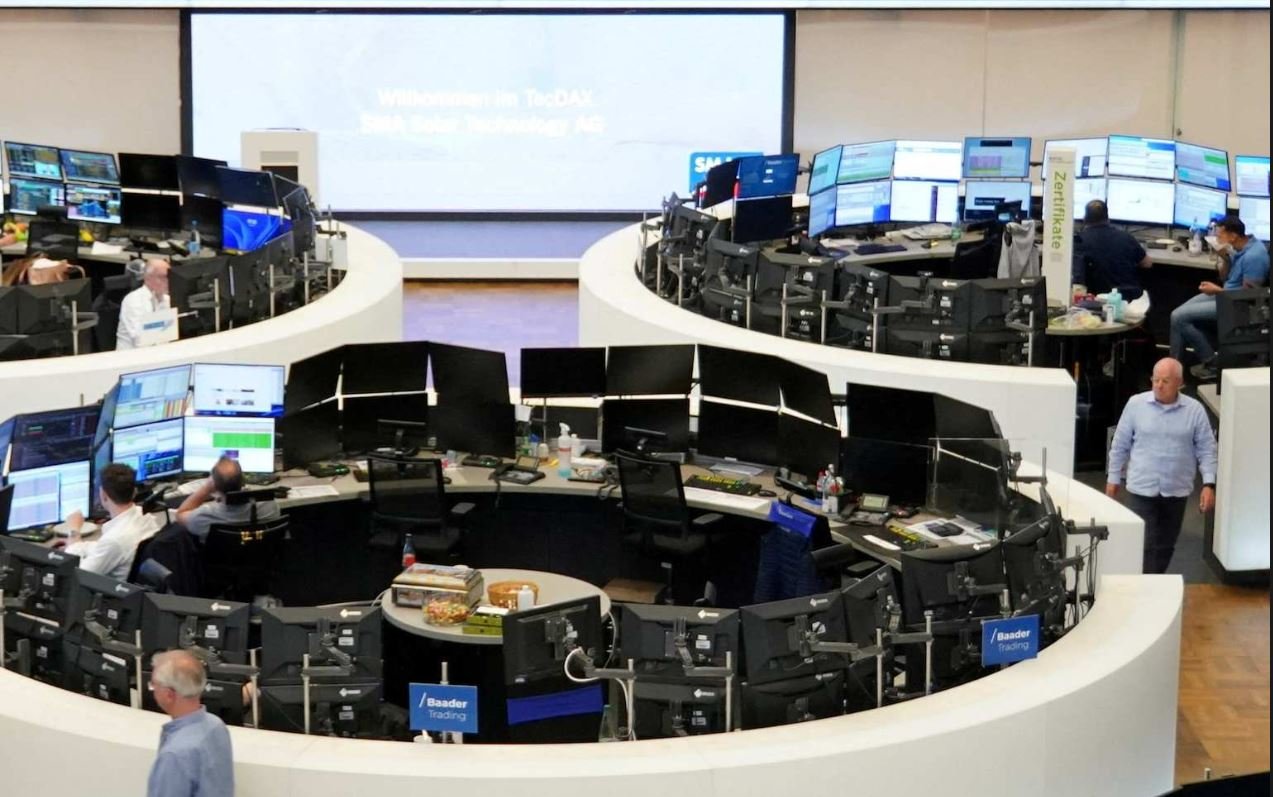
European automaker stocks fell sharply after Donald Trump threatened sweeping tariffs on multiple NATO allies unless a deal is reached over Greenland. Investors reacted quickly, pushing shares of Mercedes Benz, BMW, and Volkswagen to multi month lows as fears of a renewed transatlantic trade war intensified. The proposed tariffs would significantly raise costs for exporters already facing weak demand and supply chain stress. The fallout spread beyond Europe, hitting Asian automakers with strong exposure to the United States.
Introduction
European equity markets opened to heavy selling pressure as Donald Trump reignited global trade tensions by linking new tariffs to his push for Greenland. Automakers took the hardest hit due to their dependence on cross border trade and US consumers. The threat rattled investors who still remember how earlier tariff disputes damaged earnings and valuations. With European Union officials preparing countermeasures and global supply chains already fragile, markets are bracing for another period of volatility that could reshape investment flows and manufacturing strategies.
Latest Update
- Major European automakers are reassessing their manufacturing footprint, with internal discussions focusing on expanding North American facilities to reduce tariff exposure and protect long term asset values.
- Several auto suppliers have accelerated capital allocation toward logistics hubs and bonded warehouses to manage higher inventory levels and reduce customs related disruptions.
- Luxury car brands with strong United States sales are reviewing showroom expansion and dealer network upgrades to preserve brand visibility despite higher vehicle prices.
- Institutional investors are rotating capital toward auto companies with diversified property assets and flexible production facilities outside continental Europe.
Why did European automaker stocks fall so sharply?
European automaker stocks fell because the proposed tariffs would directly raise vehicle prices in the United States, reduce demand, and compress profit margins. Investors quickly priced in lower earnings expectations and higher operational risk.
Markets react fastest when policy uncertainty threatens core revenue streams. For European carmakers, the United States remains one of the most profitable destinations. A sudden tariff increase disrupts pricing models, dealer incentives, and long term sales contracts.
Automakers also face high fixed costs. Factories, equipment, and labor expenses do not fall when demand weakens. This makes earnings more sensitive to policy shocks than in asset light industries.
Finally, the timing worsened sentiment. European car demand is already soft, electric vehicle transitions are costly, and financing conditions remain tight. Tariffs add another layer of pressure that equity markets were unwilling to absorb.
Read Also: Coal India seeks rare earth mines abroad to cut China reliance
Which European automakers are most exposed to United States tariffs?
Direct Answer:
Luxury focused German automakers face the highest exposure because the United States accounts for a large share of their global profits and premium vehicle exports.
| Company | United States Revenue Exposure | Primary Risk |
| Mercedes Benz | High | Premium pricing sensitivity |
| BMW | High | Export heavy SUV lineup |
| Volkswagen Group | Moderate | Margin pressure across brands |
| Stellantis | Lower | More localized production |
Luxury vehicles are particularly vulnerable because buyers respond quickly to price increases. A tariff induced hike can shift demand toward domestic or Asian competitors.
Companies with manufacturing plants inside the United States enjoy partial insulation. However, components and premium models still face cross border duties.
How does the Greenland issue intersect with global trade policy?
The Greenland issue links geopolitical strategy with trade policy, using tariffs as leverage rather than purely economic tools.
Greenland holds strategic importance due to its location and natural resources. By tying tariffs to political objectives, trade policy becomes unpredictable.
Markets dislike uncertainty more than bad news. When tariffs are used as negotiation tools, companies struggle to plan investments, property acquisitions, and supply chains.
This approach also raises concerns among allies. NATO members now face economic pressure linked to security cooperation, which could permanently alter diplomatic and trade relationships.
Read Also: Global Investors Shift Away from US Tech Giants as International Markets Gain Favor
What ripple effects are visible beyond Europe?
The tariff threat triggered a global selloff, affecting Asian automakers and suppliers with strong exposure to United States demand.
Tata Motors Passenger Vehicles fell as concerns mounted around Jaguar Land Rover, which depends heavily on North America. Any price shock in the United States directly impacts volumes.
JLR is already managing production disruptions and weaker wholesale demand. Tariffs could delay recovery and strain capital expenditure plans.
Asian suppliers that feed European brands are also vulnerable. Lower production volumes in Europe reduce component orders across the global auto ecosystem.
How could European Union retaliation reshape markets?
European Union retaliatory tariffs would likely expand the conflict, raising costs across multiple industries and slowing economic growth.
| Scenario | Impact on Automakers | Investor Sentiment |
| No retaliation | Margins decline | Cautiously negative |
| Limited retaliation | Higher volatility | Risk off |
| Full retaliation | Trade contraction | Strongly bearish |
Retaliation increases uncertainty and discourages cross border investment. Capital intensive sectors like automobiles suffer first.
History shows that prolonged trade disputes often end with negotiated settlements, but not before damaging earnings and valuations.
What should investors watch next?
Investors should monitor diplomatic signals, tariff implementation details, and corporate responses such as factory expansion or supply chain restructuring.
- Statements from European Union trade officials
- Corporate earnings guidance revisions
- Announcements on new manufacturing properties
- United States consumer demand trends
Markets will reward companies that demonstrate flexibility and geographic diversification.
Read Also: Australia Backs Central Bank Chief in Global Defense of Powell
Key Takeaways
- European automakers face renewed pressure from tariff threats tied to geopolitical aims.
- Luxury brands are most exposed due to United States dependence.
- Ripple effects are spreading to Asia and global suppliers.
- Retaliation risks prolonging market volatility.
- Strategic assets and production flexibility are becoming critical investor metrics.
Frequently Asked Questions
Why are tariffs linked to Greenland?
Tariffs are being used as leverage to push geopolitical objectives, tying trade policy to strategic negotiations.
Which stocks fell the most?
Mercedes Benz, BMW, and Volkswagen experienced the sharpest declines due to high United States exposure.
Will tariffs definitely be implemented?
Implementation depends on negotiations, but markets are pricing in a high risk of escalation.
How does this affect Asian automakers?
Asian firms with European or United States exposure face lower demand and higher uncertainty.
Can automakers avoid the impact?
Companies with localized production and diversified markets are better positioned to absorb shocks.
What does this mean for electric vehicle plans?
Higher costs could delay investment and slow electric vehicle adoption in export markets.
Should investors exit auto stocks?
Long term investors may focus on balance sheet strength rather than short term price swings.
How long could volatility last?
Volatility may persist until clear policy direction or a negotiated settlement emerges.
Conclusion
The sharp selloff in European automaker stocks underscores how quickly geopolitical actions can reshape financial markets. By linking tariffs to the Greenland issue, trade policy has entered unpredictable territory that challenges corporate planning and investor confidence. While negotiations could eventually ease tensions, the immediate outlook remains uncertain. Automakers with flexible production assets and diversified revenue streams are likely to weather the storm better. For investors, this episode reinforces the importance of monitoring policy risk alongside traditional financial metrics in a globally connected economy.