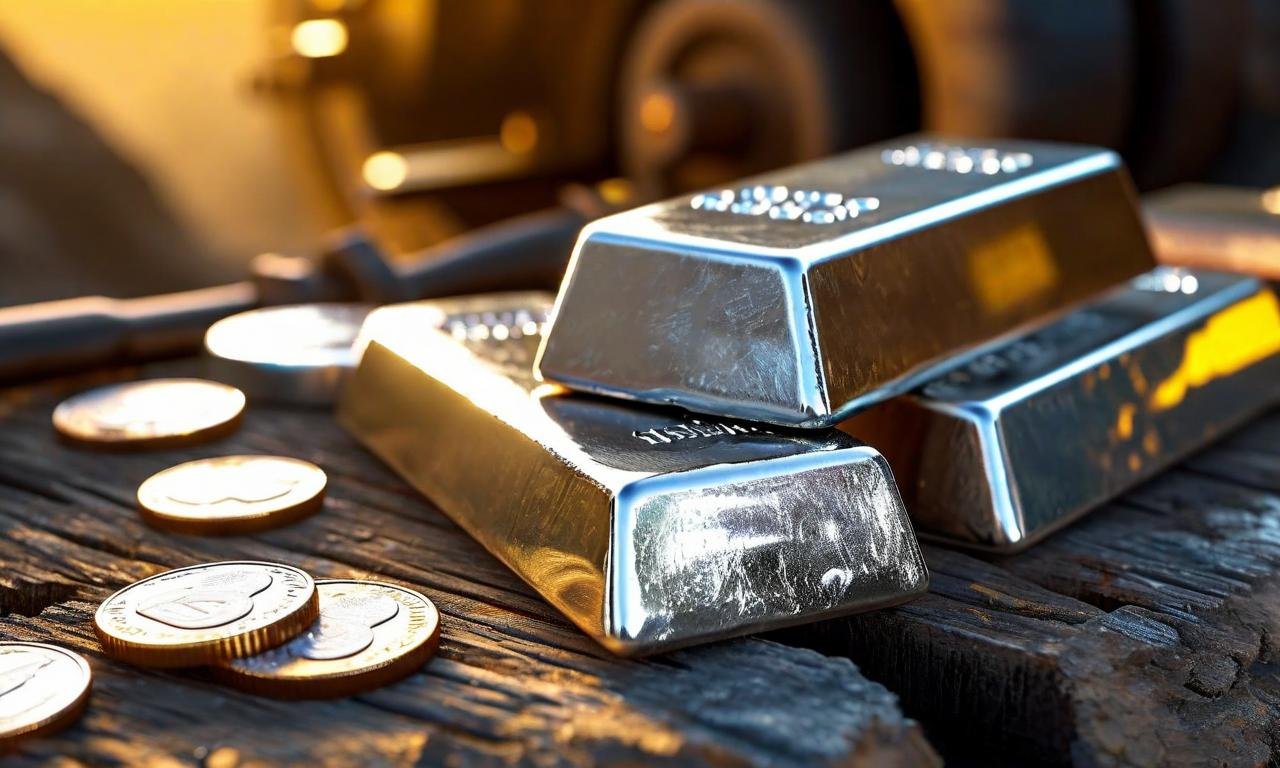
Silver prices surged to a historic high above $93 per troy ounce before pulling back sharply after the United States paused proposed tariffs on critical minerals. Despite the correction, silver remains up nearly 29% this year, supported by tight physical supply, strong retail investment, and ongoing structural demand. Market volatility reflects a transition phase rather than the end of the rally. For investors, silver is increasingly viewed as a core macro asset rather than a short-term speculative trade.
Silver has entered a new phase of price discovery, driven by supply constraints, geopolitical policy shifts, and changing industrial behavior. While recent tariff relief triggered profit taking, the broader fundamentals continue to reshape how global markets value the white metal.
What is driving the historic surge in silver prices?
The rally in silver is primarily driven by a physical supply squeeze, aggressive retail investment flows, and fears of trade restrictions disrupting global inventories. These factors combined have amplified price sensitivity well beyond historical norms.
Silver touched a record $93.75 per ounce during peak trading sessions before retreating. The move builds on an extraordinary rally that saw prices rise over 170% previously. At the heart of this surge is a physical short squeeze that began in London, where vault inventories declined rapidly as silver was redirected to the United States.
Benchmark pricing for silver is set in London, and when available supply thins, even modest demand increases can trigger outsized price moves. Analysts noted that the typical relationship between physical demand and price appreciation has become distorted due to tightness.
Key drivers include:
- Rapid depletion of London vault inventories
- Large-scale movement of silver into US warehouses
- Trade policy uncertainty related to critical minerals
- Retail investors treating silver as a hedge against macro risk
Read Also: IMF and Fitch Warn Fed Interference Could Harm US Credit Rating
How unusual is the current price sensitivity?
According to major investment banks, the price response to incremental demand has tripled compared to historical averages. This signals a market operating under stress rather than equilibrium.
Latest Update
- Silver prices pulled back more than 7% after policy signals reduced immediate tariff risks, though buying interest quickly re-emerged at lower levels.
- Retail investors increased ETF exposure at a pace exceeding previous speculative peaks, reinforcing silver’s role as a macro asset.
- Industrial buyers began reassessing material usage as elevated prices challenged production economics.
- Global price disparities widened, with Asian markets trading at significant premiums due to export controls.
Why did the tariff pause trigger a sharp correction?
The tariff pause removed a key speculative catalyst that had driven precautionary buying and stockpiling. With immediate policy risk reduced, traders locked in profits, leading to a rapid but controlled pullback.
Proposed tariffs on critical minerals had raised fears of supply disruptions, encouraging aggressive accumulation of physical silver. When the administration opted to pause these measures and explore bilateral agreements instead, one of the rally’s strongest psychological drivers faded.
This resulted in a swift selloff as short-term positions unwound. However, the rebound toward $91.50 suggests that long term investors remain confident in silver’s structural story.
Key impacts of the tariff pause include:
- Reduced urgency for emergency stockpiling
- Temporary easing of US import pressure
- Shift in focus back to physical supply data
Read Also: Australia Backs Central Bank Chief in Global Defense of Powell
How are retail investors influencing the silver market?
Retail investors are now a dominant force in silver pricing, with ETF inflows reaching record levels. Their sustained participation has transformed silver into a mainstream macro trade.
Individual investors have poured nearly $1 billion into silver-backed exchange-traded funds in a single month. This level of engagement surpasses the intensity seen during previous retail-driven rallies.
Unlike earlier speculative waves, current flows are broader and more persistent. Analysts now classify silver alongside gold and oil as a core asset used to express views on inflation, currency risk, and geopolitical uncertainty.
| Metric | Previous Peak | Current Period |
| Monthly ETF Inflows | $650 million | $921.8 million |
| Retail Participation | Short-term surge | Sustained accumulation |
| Market Perception | Speculative | Macro asset |
Are industrial users starting to resist higher prices?
Yes. At elevated price levels, industrial buyers are cutting usage or seeking substitutes, especially in cost-sensitive sectors like solar manufacturing.
Silver plays a crucial role in electronics and renewable energy, but sustained price increases are forcing manufacturers to adapt. Major solar producers in China have announced plans to reduce or eliminate silver content in their products.
This shift does not eliminate demand overnight, but it introduces elasticity that did not exist at lower prices. Over time, substitution could cap upside unless new demand sources emerge.
| Company | Action Taken | Impact |
| Longi Green Energy | Base metal substitution | Reduced silver intensity |
| Jinko Solar | Alternative materials | Cost stabilization |
| Aiko Solar | Silver-free cells | 6.5 GW capacity shift |
Why is the China-US price gap important?
A wide price premium in China signals ongoing physical tightness and shifting price discovery toward Asia.
Spot silver prices in China are trading more than $13 per ounce above US levels. This gap reflects export restrictions, strong domestic demand, and limited access to international supply.
As Asian markets consume a larger share of available silver, traditional Western benchmarks may lose influence. This transition could lead to more volatile pricing and regional dislocations.
Read Also: UAE oil giant weighs investment in Venezuela’s gas sector
Can silver realistically reach $170 per ounce?
While possible under extreme conditions, such levels would require sustained retail inflows and continued supply constraints. Most analysts see lower levels as fundamentally justified.
Some forecasts suggest silver could approach $170 within two years if current investment momentum persists. However, banks caution that such outcomes depend heavily on sentiment rather than consumption.
Fundamental valuation models place fair value closer to $60, highlighting the speculative premium embedded in current prices.
How does silver compare to other precious metals right now?
Silver is outperforming gold and platinum but with significantly higher volatility.
| Metal | Year-to-Date Performance | Primary Driver |
| Silver | +29% | Supply squeeze and retail demand |
| Gold | +12% | Central bank buying |
| Platinum | +8% | Industrial recovery |
Key Takeaways
- Silver reached a historic high above $93 before correcting
- Physical supply tightness remains unresolved
- Retail investors are reshaping market dynamics
- Industrial substitution may limit long-term upside
- Volatility is likely to persist
Frequently Asked Questions
Why did silver prices spike so sharply?
Because physical supply tightened while investment demand surged, amplifying price sensitivity.
Is the silver rally over?
No. The pullback reflects policy relief, not a breakdown in fundamentals.
Are tariffs still a risk?
Yes. Tariffs are paused, not canceled, keeping uncertainty alive.
Why are ETFs important for silver prices?
ETF flows directly impact physical demand and investor sentiment.
Will industrial demand fall significantly?
Some substitution is happening, but total demand remains strong.
Is silver riskier than gold?
Yes. Silver shows higher volatility but also higher upside potential.
Should long-term investors consider silver now?
Silver suits diversified portfolios willing to tolerate volatility.
What signals another major move?
Inventory data, ETF flows, and trade policy announcements.
Conclusion
Silver’s surge above $93 marks a turning point in how the metal is valued and traded globally. While the tariff pause cooled speculative heat, it did not resolve the underlying supply imbalance or diminish investor interest. As silver evolves into a core macro asset, price swings are likely to remain intense.