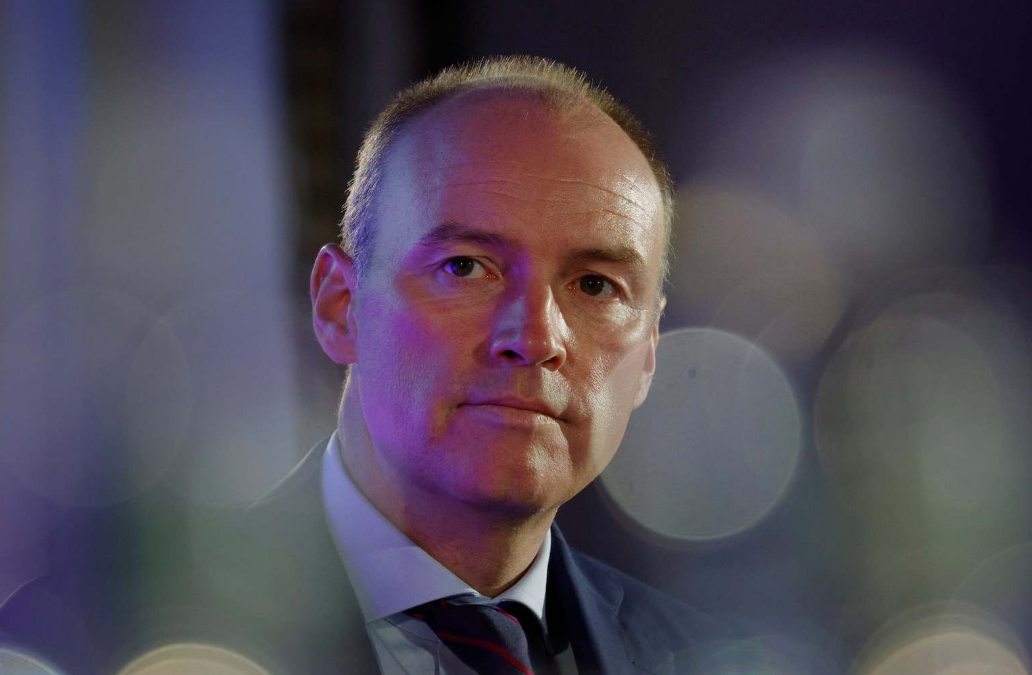
Aengus Kelly, the CEO of AerCap, has issued a powerful call for market composure as gold prices officially breached the historic $5,000 per ounce threshold on January 26, 2026. Despite a weakening U.S. dollar and intensified trade frictions following the Davos summit, Kelly emphasized that the aviation finance sector remains anchored in long-term cycles that transcend daily volatility. He reaffirmed that demand for dollar-denominated assets like aircraft stays robust, even as investors increasingly flock to gold as a hedge against geopolitical instability and tariff threats.
Latest Update
- Gold prices reached an intraday high of $5,091.50 per ounce in international markets, driven by a global rush toward safe-haven assets following new tariff warnings.
- Market sentiment remains fragile as speculation grows regarding potential joint currency interventions between the U.S. and Japan to stabilize the sliding dollar.
- Aviation finance leaders report that aircraft leasing is expected to cover nearly 60 percent of the world’s new delivery funding requirements throughout the coming year.
- Goldman Sachs recently adjusted its long term outlook for precious metals, raising its end of year gold price target to $5,400 per ounce due to persistent central bank buying.
Why is the AerCap CEO urging calm during market volatility?
Aengus Kelly is urging calm because aviation leasing operates on long-term horizons that are not easily disrupted by short-term market shocks. Aircraft are twenty-five-year assets, and lease contracts often span more than a decade. Reacting emotionally to daily political or economic news can lead to poor capital allocation decisions.
Kelly emphasized that aviation finance is structurally different from fast-moving financial markets. Airlines plan fleet expansion years, and lessors secure funding based on predictable cash flows. This insulation allows the sector to weather temporary volatility.
Key reasons for this long-term stability include:
- Multi-year aircraft delivery backlogs at manufacturers
- Long lease durations that lock in revenue
- Global air travel demand is driven by demographics and trade
- Strong collateral value of modern aircraft
By staying focused on fundamentals, aviation lessors avoid the pitfalls of reacting to headlines that may reverse within weeks.
IMF and Fitch Warn Fed Interference Could Harm US Credit Rating
What does gold crossing $5,000 signal about global markets?
Gold crossing $5,000 per ounce signals heightened concern about currency stability and geopolitical risk. Investors often turn to gold when confidence in major currencies weakens or when trade conflicts escalate. However, high gold prices do not always imply an imminent economic crisis.
Kelly offered a balanced interpretation of the gold rally. He noted that gold often reflects long-term currency depreciation trends rather than sudden panic. At the same time, it serves as insurance against extreme outcomes.
Factors driving record gold prices include:
- Concerns over trade barriers and tariffs
- Weaker confidence in major reserve currencies
- Central bank diversification into gold reserves
- Low real yields on government bonds
Despite gold’s strength, other indicators such as treasury yields suggest markets are not pricing in severe economic stress.
Comparison of Precious Metal Milestones (2025 vs. 2026)
| Asset Class | January 2025 Price | January 2026 Price | YoY Growth (%) |
|---|---|---|---|
| Gold (per oz) | $2,050 | $5,081 | ~147% |
| Silver (per oz) | $23 | $108 | ~370% |
| U.S. Dollar Index (DXY) | 103.5 | 97.1 | -6.2% |
Does a weaker dollar threaten aviation finance?
According to AerCap leadership, a weaker dollar does not currently threaten aviation finance. Aircraft transactions remain overwhelmingly dollar-denominated, and there is no viable alternative currency with comparable liquidity and global acceptance.
The dollar has faced pressure due to political disagreements and trade policy uncertainty. However, aviation leasing depends on global standardization. Airlines, manufacturers, and financiers all operate within a dollar-based ecosystem.
Reasons dollar dominance continues include:
- Aircraft purchase contracts priced in dollars
- Global fuel and maintenance costs are linked to dollars
- Deep dollar funding markets with low transaction costs
- Absence of a competing reserve currency
As Kelly stated, diversification away from the dollar remains more theoretical than practical in aviation.
Silver Hits Record Above $93 Before Retreating After Tariff Pause
How resilient is the aviation leasing sector during global uncertainty?
The aviation leasing sector has shown strong resilience during periods of global uncertainty due to diversified customer bases and long term contracts. Lessors provide critical capital to airlines, making them essential partners even during downturns.
At industry conferences, executives highlighted that leasing has become a mainstream alternative asset class. Institutional investors value its predictable returns and asset-backed structure.
| Factor | Impact on Resilience |
|---|---|
| Lease duration | Locks in long term revenue |
| Global airline demand | Reduces regional risk concentration |
| Asset liquidity | Aircraft can be redeployed |
| Diversified funding | Access to banks and capital markets |
This structure allows lessors to absorb shocks better than many other asset classes.
How does aviation leasing compare with gold as an investment?
Aviation leasing and gold serve different roles in investor portfolios. Gold is primarily a hedge against risk, while aviation leasing generates income through long-term contracts.
| Aspect | Gold | Aviation Leasing |
|---|---|---|
| Primary role | Risk hedge | Income generation |
| Cash flow | None | Regular lease payments |
| Volatility | High during crises | Moderate and predictable |
| Time horizon | Flexible | Long term |
Many institutional investors use both assets together to balance stability and protection.
European Bonds Gain Favor as Global Investors Flee Japan and UK Turmoil
Does the rise of gold threaten the dominance of the U.S. dollar?
The real test for the dollar will be the outcome of upcoming U.S. funding negotiations and the long term impact of the Greenland diplomatic crisis. If the U.S. continues to use its currency as a tool for aggressive tariff policy, more allies may look for “workarounds.” However, as Kelly pointed out, the aircraft leasing market—a cornerstone of global finance—is seeing no lack of dollar demand, suggesting that the institutional world is still betting on the dollar over the long haul.
FAQ Section
Why did gold prices cross $5,000?
Gold rose due to currency concerns, trade tensions, and investor demand for risk hedges.
Is aviation leasing affected by daily market volatility?
No. Long term leases and asset lifecycles reduce exposure to short term swings.
Does AerCap see risks in the global economy?
Yes, but management believes risks are manageable within a long term framework.
Is the dollar losing its role in aviation finance?
No. The dollar remains the standard currency for aircraft transactions.
Should investors choose gold over aviation assets?
They serve different purposes and are often complementary.
How long are typical aircraft leases?
Most leases range from twelve years.
Are treasury yields signaling a crisis?
Current yields suggest markets remain relatively calm.
Why are lessors important to airlines?
They provide capital and fleet flexibility without high upfront costs.
Can trade tensions disrupt air travel demand?
Short-term impact is possible, but long-term demand remains strong.
Key Takeaways
- Gold at $5,000 reflects risk awareness, not panic
- Aviation leasing operates on long-term stability
- Dollar dominance in aircraft finance remains intact
- Trade tensions create noise but not structural change
Conclusion
Record gold prices and rising trade tensions have intensified market anxiety, but leaders in long-cycle industries are calling for perspective. AerCap CEO Aengus Kelly’s message underscores the importance of discipline in investment decision-making. Aviation leasing continues to benefit from predictable cash flows, dollar-based standardization, and enduring global demand. While gold shines as a hedge during uncertainty, it does not replace the role of productive assets. For investors and policymakers alike, the current environment reinforces a simple lesson: long-term fundamentals matter more than short-term headlines.