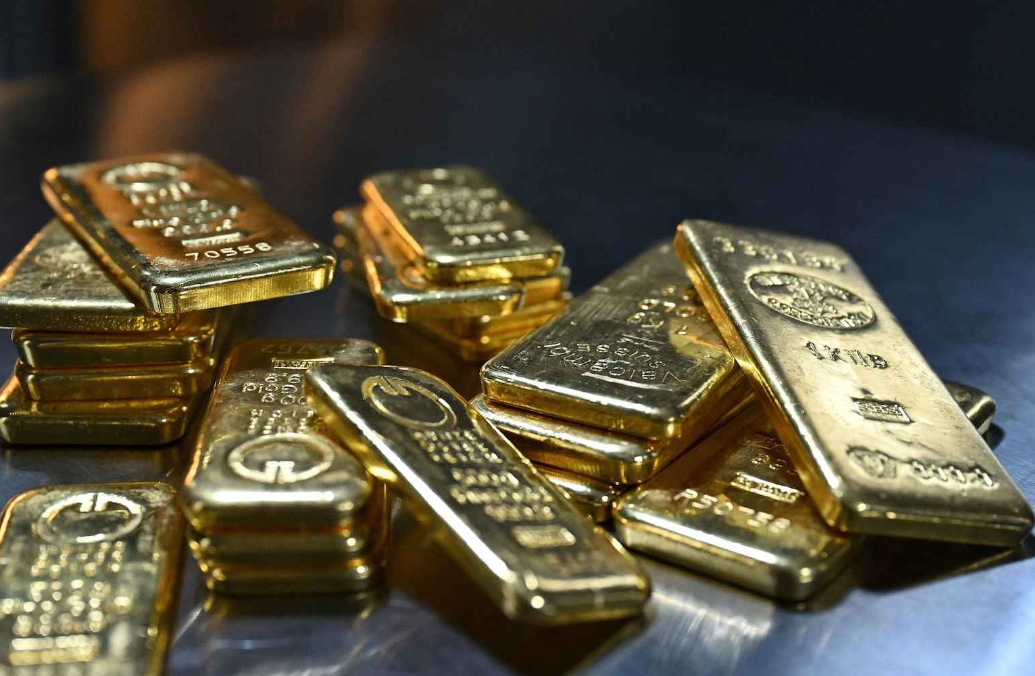
Goldman Sachs has sharply increased its long term forecasts for gold and copper, citing tight global supply, strong investor demand, and structural shifts in commodity allocation. The bank now expects gold to average $4,978 per ounce and copper $12,200 per ton, reflecting scarcity driven by low inventories and sustained inflows. These projections signal a bullish outlook for metals, miners, and economies linked to commodity production. Investors are increasingly viewing gold and copper as strategic assets rather than cyclical trades.
Why did Goldman Sachs raise gold and copper price forecasts?
Goldman Sachs raised its gold and copper price forecasts due to persistent supply constraints, rising global demand, and changing investor behavior. Gold is benefiting from higher private and central bank allocations, while copper faces historically low inventories outside the United States. Together, these factors have created a scarcity premium that supports higher long term prices.
Goldman Sachs Global Commodities Research highlighted that gold has transitioned from a defensive hedge to a core portfolio asset. Investors are allocating more capital to gold as protection against currency debasement and geopolitical uncertainty. This structural shift has kept prices elevated even during periods of higher interest rates.
On the copper side, supply has struggled to keep pace with demand from electrification, infrastructure, and clean energy projects. Mine disruptions, delayed expansions, and declining ore grades have limited new output. At the same time, inventories have fallen to levels that leave little buffer against shocks.
These combined forces led Goldman to revise its projections upward, signaling confidence that elevated prices may persist longer than previously expected.
Latest Update
- Gold prices are holding near record levels as investor demand remains strong across physical and financial markets. Analysts highlight sustained buying from institutions and private wealth managers as a key support factor.
- Copper inventories outside the United States have dropped to critically low levels, tightening global supply chains. This imbalance has intensified competition for available metal among industrial users.
- Major investment banks are increasingly aligning on a bullish metals outlook, citing structural demand rather than short-term speculation. Mining equities have responded with upward earnings revisions.
- Expectations of trade-related policy changes are reshaping copper flows globally, contributing to temporary regional shortages. Market participants are closely watching regulatory updates for clarity.
How high does Goldman Sachs expect gold prices to go?
Goldman Sachs now expects gold prices to average $4,978 per ounce, with further upside potential toward $5,585 per ounce in subsequent projections. The forecast reflects sustained investor inflows, central bank buying, and limited supply growth. Gold is increasingly treated as a long-term store of value.
The bank upgraded its gold outlook by 10 percent to 16 percent, underscoring confidence in continued demand. Central banks in emerging markets are expected to remain consistent buyers as they diversify reserves away from traditional currencies.
Private sector allocation is another critical driver. Family offices, pension funds, and high net worth investors are increasing gold exposure as part of long term asset allocation strategies. This demand is less sensitive to short-term price fluctuations.
Unlike previous cycles, gold is not seeing significant selling pressure during market rallies. This behavior suggests a structural change in how investors perceive the metal.
Gold price forecast table
| Forecast Period | Gold Price per Ounce | Change from Prior Estimate |
|---|---|---|
| Average Outlook | $4,978 | Up 10 to 16 percent |
| Extended Projection | $5,585 | New high projection |
REITs vs Buying Rental Property: Which Investment Wins for You?
What is driving copper scarcity and higher price expectations?
Copper prices are rising due to low global inventories, strong investor inflows, and supply disruptions. Demand from electrification, renewable energy, and infrastructure continues to grow faster than mine supply. These conditions have created a scarcity premium that supports higher prices.
Goldman Sachs increased its copper forecast to $12,200 per ton, a 7 percent upgrade. Analysts noted that inventories outside the United States are at historical lows, leaving markets vulnerable to shocks.
Trade-related uncertainty has also played a role. Anticipation of potential tariffs has redirected copper flows into American markets, tightening supply elsewhere. This dynamic has amplified price pressures globally.
While Goldman cautioned that oversupply risks could re-emerge once uncertainty fades, near term fundamentals remain supportive of elevated prices.
Copper market data table
| Metric | Current Level | Market Impact |
|---|---|---|
| Inventory Levels | Historical lows | Higher volatility |
| Forecast Price | $12,200 per ton | Scarcity premium |
| Q4 Outlook | $11,200 per ton | Potential moderation |
Which mining companies stand to benefit the most?
Chinese mining companies such as Zijin Mining and CMOC Group are positioned to benefit significantly from higher gold and copper prices. Goldman Sachs upgraded earnings forecasts for these firms due to rising prices and expanding production capacity.
Zijin Mining saw recurring earnings estimates rise by 14 percent to 18 percent. The bank also raised its H share target price, reflecting confidence in both pricing and output growth.
CMOC Group received even larger earnings upgrades of 20 percent to 24 percent. These revisions highlight the leverage that diversified miners have to sustain commodity strength.
Both companies benefit from exposure to copper and gold simultaneously, providing balanced growth potential.
Comparison table of key miners
| Company | Commodity Focus | Earnings Upgrade | Strategic Advantage |
|---|---|---|---|
| Zijin Mining | Gold and Copper | 14 to 18 percent | Production expansion |
| CMOC Group | Copper focused | 20 to 24 percent | Cost efficiency |
How are structural demand shifts reshaping the metals market?
Structural demand shifts are redefining gold and copper markets by embedding long term consumption and investment demand. Gold is gaining from reserve diversification, while copper demand is driven by electrification and energy transition trends.
Gold is no longer viewed solely as a crisis hedge. It is now a strategic reserve asset for both central banks and private investors. This has stabilized demand across market cycles.
Copper demand is tied to electric vehicles, renewable energy, and grid expansion. These trends are policy-supported and long-term in nature.
As a result, price volatility may remain elevated, but long-term support appears stronger than in past cycles.
Key Takeaways
- Goldman Sachs raised gold and copper forecasts due to supply constraints and structural demand.
- Gold is benefiting from sustained investor and central bank allocation.
- Copper scarcity is driven by low inventories and electrification demand.
- Chinese miners like Zijin and CMOC are top beneficiaries.
- Long term commodity exposure remains attractive but requires risk awareness.
Frequently Asked Questions
Why are gold prices rising so fast?
Gold prices are rising due to strong investor demand, central bank buying, and limited new supply. Gold is increasingly viewed as a long term asset.
What is the new gold price forecast by Goldman Sachs?
Goldman Sachs expects gold to average $4,978 per ounce, with higher projections reaching $5,585 per ounce.
Why is copper facing a supply shortage?
Copper supply is tight due to low inventories, mine disruptions, and rising demand from electrification and infrastructure.
Which companies benefit most from higher copper prices?
Companies like Zijin Mining and CMOC Group benefit due to production growth and exposure to rising copper prices.
Is this a good time to invest in gold?
Gold may suit investors seeking stability and diversification, but decisions should align with individual risk profiles.
How do tariffs affect copper prices?
Tariff expectations can redirect supply flows, tightening availability in some regions and pushing prices higher.
Will copper prices stay high long-term?
Copper prices may remain supported long term due to structural demand, though short term fluctuations are possible.
Conclusion
Goldman Sachs raising its gold and copper price forecasts reflects more than short-term optimism. It signals a structural shift in how commodities are produced, consumed, and invested in globally. Gold has emerged as a strategic asset supported by both private and official demand. Copper is increasingly essential to the energy transition and modern infrastructure. Together, these metals highlight a world where supply constraints and long-term demand trends shape pricing power. For investors and policymakers alike, understanding these dynamics is critical as commodities play a larger role in global economic planning.
Outstanding post, you have pointed out some good details , I too think this s a very fantastic website.
Thank you so much for your kind words. Glad you enjoyed the post and found the website valuable!