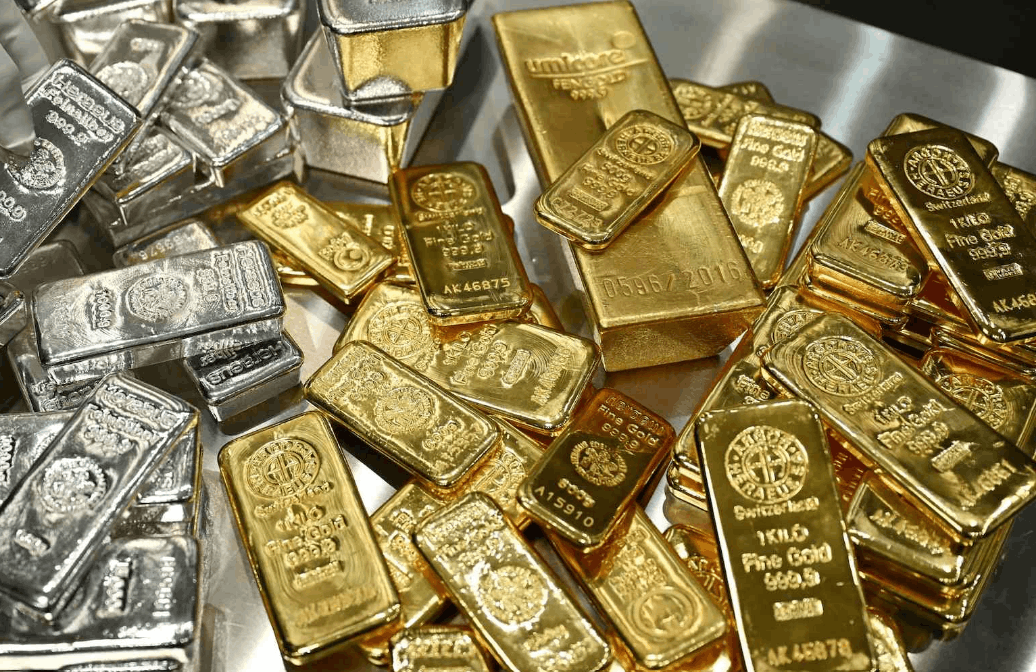
Gold silver, and palladium prices fell sharply as investors booked profits after an unusually strong rally. Precious metals had reached record and multi-year highs, prompting traders to lock in gains once momentum slowed. A steady interest rate stance by the US Federal Reserve and a stabilizing US dollar also reduced short-term support for metals. Despite the correction, long-term fundamentals for precious metals remain supportive.
Introduction
Precious metals saw a sharp reversal as gold silver and palladium retreated from historic highs. After weeks of rapid gains, traders shifted focus from momentum to risk control and profit booking. The pullback followed a widely expected Federal Reserve decision to keep interest rates unchanged and a brief rebound in the US dollar.
This move does not signal a collapse in the metals market. Instead it reflects a pause after an overheated rally. Investors are now reassessing positions while watching central bank policy currency trends and global demand signals closely.
Latest Update
- Gold silver and palladium prices declined sharply as investors locked in profits after record-breaking rallies across precious metals markets.
- The Federal Reserve maintained current interest rates, which reduced speculation-driven buying and encouraged short term traders to rebalance positions.
- The US dollar stabilized after recent weakness, removing a key driver that had supported higher metal prices.
- Futures exchanges reported elevated trading volumes and adjusted margin rules due to increased volatility.
Why did gold, silver, and palladium prices fall suddenly
The sudden fall in gold silve,r and palladium prices was mainly caused by profit-taking after extreme gains. When prices rise too fast, investors often sell to secure returns. A stable interest rate outlook and a firmer US dollar further reduced the urgency to hold metals in the short term.
The rally in precious metals had pushed prices far above recent averages. Such conditions often lead to corrections even in strong bull markets. Traders who entered early chose to exit once buying momentum slowed.
Another factor was risk management by institutional investors. After weeks of gains, portfolios became heavily weighted toward metals. Reducing exposure helped rebalance risk without changing long term outlooks.
AerCap CEO on Gold, the Dollar, and Why Panic Is the Wrong Move
How strong was the recent rally in precious metals
The recent rally was one of the strongest in decades for precious metals. Gold posted its best start to a year in over 30 years while silver and palladium also surged sharply. Such rapid appreciation often leads to short-term pullbacks.
| Metal | Peak Price Level | Monthly Gain | Recent Pullback |
|---|---|---|---|
| Gold | Above 5500 per ounce | About 27 percent | Near 4 percent |
| Silver | Near 120 per ounce | About 65 percent | Over 5 percent |
| Palladium | Above 2100 per ounce | Over 20 percent | About 5 percent |
These numbers highlight how extended prices had become. Corrections of this scale are common after such steep climbs.
What role did the Federal Reserve decision play
The Federal Reserve decision added uncertainty rather than direct pressure. Rates were kept unchanged which markets had already priced in. This shifted attention away from policy speculation and toward valuation and profit booking.
Precious metals often benefit from expectations of rate cuts and a weaker dollar. Once the decision confirmed, no immediate change traders reduced speculative positions. This led to a cooling of buying interest.
Comments from policymakers suggested patience rather than urgency. That tone reduced short-term demand for safe-haven assets without damaging the longer term narrative.
How did currency movements affect metal prices?
A stabilizing US dollar reduced upward pressure on metal prices. When the dollar weakens, precious metals become cheaper for global buyers. A pause in dollar weakness removed that advantage.
The dollar had recently experienced one of its steepest declines in years. That move was a major driver of the metals rally. Once the currency steadied, some traders exited metal positions.
This relationship remains critical. Future moves in gold, silver, and palladium will continue to react strongly to dollar trends.
Global Stocks Rally on AI Optimism and Trump Tariff Reversal Signals
Are structural factors still supporting precious metals
Yes long-term structural support for precious metals remains intact. Central bank buying global geopolitical risks and supply constraints continue to favor higher prices over time.
Many central banks continue to diversify reserves into gold. Demand from Asia, particularly China has also stayed strong. Restrictions on silver exports have tightened supply conditions.
These factors suggest the recent pullback is a correction rather than a trend reversal.
How do gold silver, and palladium compare as investments
Gold silver and palladium serve different investment roles. Gold is primarily a store of value. Silver combines monetary and industrial demand. Palladium is heavily tied to industrial use especially in the automotive sectors.
| Metal | Main Use | Volatility Level | Investor Profile |
|---|---|---|---|
| Gold | Store of value and hedge | Lower | Conservative and long term |
| Silver | Industrial and monetary | Medium | Growth oriented |
| Palladium | Industrial applications | Higher | Speculative and cyclical |
Diversifying across metals can help balance risk and opportunity.
What should investors watch next?
Investors should watch central bank signals, currency movements, and physical demand trends. Volatility is likely to remain elevated in the near term.
- Future interest rate guidance from major central banks
- US dollar strength or weakness
- Central bank gold purchase data
- Industrial demand signals for silver and palladium
Monitoring these factors can help investors decide whether to buy dips or reduce exposure.
Dollar Posts Worst Week in 8 Months as Sell America Trade Gains Steam
Key Takeaways
- Gold silver and palladium fell due to profit-taking after record rallies
- Federal Reserve policy stability reduced speculative buying
- Dollar stabilization removed a key tailwind
- Long term fundamentals remain supportive
Frequently Asked Questions
Is the drop in gold prices a sign of a bear market
No the decline reflects profit taking after a strong rally. Long term trends remain positive.
Why is silver more volatile than gold?
Silver has significant industrial demand which makes it more sensitive to economic cycles.
Does a stronger dollar always hurt precious metals
A stronger dollar often pressures metals but other factors like demand can offset this.
Is palladium riskier than gold?
Yes palladium prices depend heavily on industrial demand which increases volatility.
Should investors buy during pullbacks
Pullbacks can offer opportunities but risk tolerance and time horizon matter.
How do central banks influence gold prices
Central bank purchases increase demand and support long-term prices.
Conclusion
The sharp retreat in gold silver and palladium prices highlights how quickly markets can shift after powerful rallies. Profit taking a steadier dollar and a pause in policy driven speculation combined to cool prices. However, the underlying case for precious metals remains strong. Central bank demand supply constraints and global uncertainty continue to favor long term investors. For many this correction may represent a reset rather than a reversal.