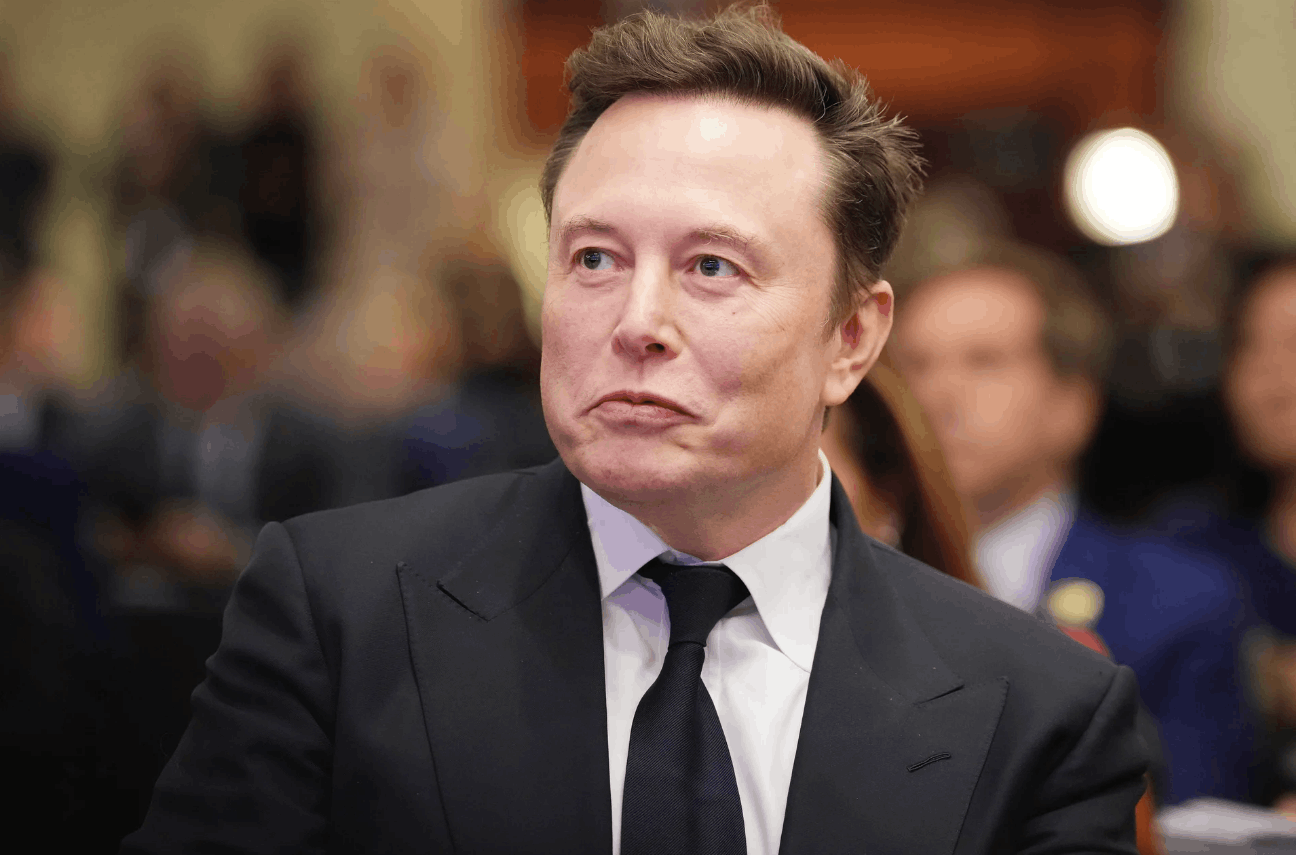
Elon Musk has become the first individual in history to surpass $800 billion in net worth following the landmark merger of SpaceX and xAI. The transaction values the combined company at about $1.25 trillion and lifted Musk’s personal fortune to nearly $852 billion. His ownership stake alone is now worth more than the total wealth of most billionaires combined. This merger reshapes the future of artificial intelligence, space exploration, and private capital markets at once.
What happened in the SpaceX xAI merger that pushed Musk past $800B?
Elon Musk crossed the $800 billion net worth mark after SpaceX formally merged with his artificial intelligence venture xAI in a historic share exchange deal. The merger unified rockets, satellites, AI models, data centers, and digital platforms into one vertically integrated company. Investors immediately re-priced Musk’s holdings, pushing his personal wealth to an estimated $852 billion.
This is not just a personal milestone. It is a structural shift in how innovation-driven companies are built and valued. For the first time, space launch systems, AI infrastructure, and social data platforms now operate under one balance sheet.
Introduction
Elon Musk’s rise to an $800 billion net worth marks a turning point in global business history. The SpaceX xAI merger created the largest private corporate valuation ever recorded and redefined how technology empires are constructed. Unlike traditional conglomerates, this combined entity links space hardware, artificial intelligence, satellite internet, and social data into a single innovation engine.
For investors, regulators, and competitors, the implications are massive. The deal highlights how AI and space infrastructure are becoming core economic assets, not experimental ventures. Musk’s wealth surge also exposes an unprecedented gap between the world’s richest individuals and everyone else, raising new questions about capital concentration and market power.
Latest Update
- The merged SpaceX xAI entity is being positioned as a fully integrated AI and space infrastructure company with global reach across defense, communications, and data services.
- Private market demand for shares has surged as investors view the company as a rare combination of AI scale and physical infrastructure dominance.
- Market analysts increasingly see vertically integrated AI platforms as the next trillion-dollar corporate category.
- Regulators and policymakers are closely monitoring the deal due to its impact on competition, national security, and data governance.
How did the SpaceX xAI deal structure create so much value?
The SpaceX xAI merger was structured as a share exchange that immediately crystallized value for existing shareholders. Each xAI share is converted into a fixed portion of SpaceX equity, reflecting valuations of $1 trillion for SpaceX and $250 billion for xAI. This structure avoided cash dilution while maximizing long-term upside.
By merging rather than operating separately, the companies unlocked synergies that private markets price aggressively. AI training benefits from satellite data. Rockets benefit from AI optimization. Starlink provides real-time global connectivity for AI deployment.
The result is a valuation premium that standalone companies could not achieve.
| Component | Pre-Merger Valuation | Strategic Value Added |
|---|---|---|
| SpaceX | $1 trillion | Launch, satellites, Starlink revenue |
| xAI | $250 billion | Large-scale AI models and compute |
| Combined Entity | $1.25 trillion | Vertical integration across space and AI |
Why is SpaceX now Musk’s most valuable asset?
SpaceX has overtaken Tesla as Musk’s most valuable holding due to its dominant position in space launch and satellite internet. Musk owns about 43 percent of the merged company, a stake worth roughly $542 billion on its own.
Unlike Tesla, which faces competitive pressure and regulatory scrutiny, SpaceX operates in markets with high barriers to entry. Launch infrastructure, government contracts, and global satellite coverage create durable cash flows.
This shift signals that space infrastructure is now valued alongside, or even above, consumer technology companies.
| Asset | Ownership | Estimated Value |
|---|---|---|
| SpaceX xAI | 43 percent | $542 billion |
| Tesla equity | 12 percent | $178 billion |
| Tesla options | Performance based | $124 billion |
How big is the wealth gap between Musk and other billionaires?
The wealth gap created by Musk’s $800 billion milestone is historically unprecedented. The second richest individual, Larry Page, holds an estimated $281 billion. Musk’s lead exceeds $578 billion, a figure larger than the GDP of many countries.
This concentration of wealth reflects how platform scale and ownership structure can amplify returns. Founders who retain control through private markets benefit disproportionately when valuations surge.
The gap also intensifies debates about taxation, regulation, and economic inequality in the AI era.
US Mortgage Rates Today: Current Averages, Trends, and Market Outlook
What does the merger mean for a future IPO?
The merged SpaceX xAI company is expected to pursue a public listing, potentially raising to $50 billion. Private market signals suggest a valuation that could approach $1.5 trillion.
An IPO of this scale would redefine public markets. It could surpass historical listings and attract sovereign funds, pension capital, and retail investors globally.
For Musk, a public offering would further diversify liquidity without reducing control.
Why analysts believe Musk could become the first trillionaire
Musk’s current trajectory places a $1 trillion personal net worth within reach. Tesla’s approved compensation plan alone could deliver stock awards approaching that level if performance targets are met.
Combined with SpaceX xAI growth and potential IPO gains, Musk’s assets could compound rapidly. Unlike traditional wealth built on dividends, this growth is driven by valuation expansion.
Analysts increasingly see trillionaire status as a timing question rather than a possibility.
How this merger changes the future of AI and space innovation
The SpaceX xAI merger represents a new model of innovation. Instead of licensing technology across firms, Musk has consolidated capabilities internally.
This approach accelerates development cycles and reduces dependency on external suppliers. AI models can be trained using satellite data. Space missions can be optimized using real-time machine intelligence.
Competitors may be forced to pursue similar integrations or risk falling behind.
BlackRock CEO Calls Blockchain Based Finance Necessary at Davos
Key Takeaways
- Musk is the first individual to surpass $800 billion in net worth.
- The SpaceX xAI merger created a $1.25 trillion private company.
- Space infrastructure and AI now command premium valuations.
- The wealth gap between Musk and others is historically unmatched.
- A future IPO could push valuations even higher.
Frequently Asked Questions
How did Elon Musk reach a $800 billion net worth?
He reached it after merging SpaceX with xAI, which dramatically increased the valuation of his largest holdings.
What is the valuation of the SpaceX xAI company?
The combined company is valued at approximately $1.25 trillion in private markets.
How much of SpaceX xAI does Musk own?
Musk owns about 43 percent of the merged entity.
Is SpaceX now more valuable than Tesla for Musk?
Yes. SpaceX xAI represents Musk’s largest asset by value.
Could Musk become the world’s first trillionaire?
Analysts believe it is possible based on future stock awards and valuation growth.
Will SpaceX xAI go public?
Plans suggest a potential IPO that could raise tens of billions in capital.
Why is this merger considered historic?
It is the largest corporate merger ever recorded and unites AI with space infrastructure.
Conclusion
Elon Musk’s $800 billion milestone is more than a headline. It signals a fundamental shift in how wealth is created in the age of artificial intelligence and space commercialization. The SpaceX xAI merger demonstrates that vertical integration across physical and digital systems can unlock extraordinary value. As markets adapt to this new reality, Musk’s influence over technology, capital, and innovation continues to expand. Whether or not he becomes the first trillionaire, this moment has already reshaped the boundaries of global wealth.