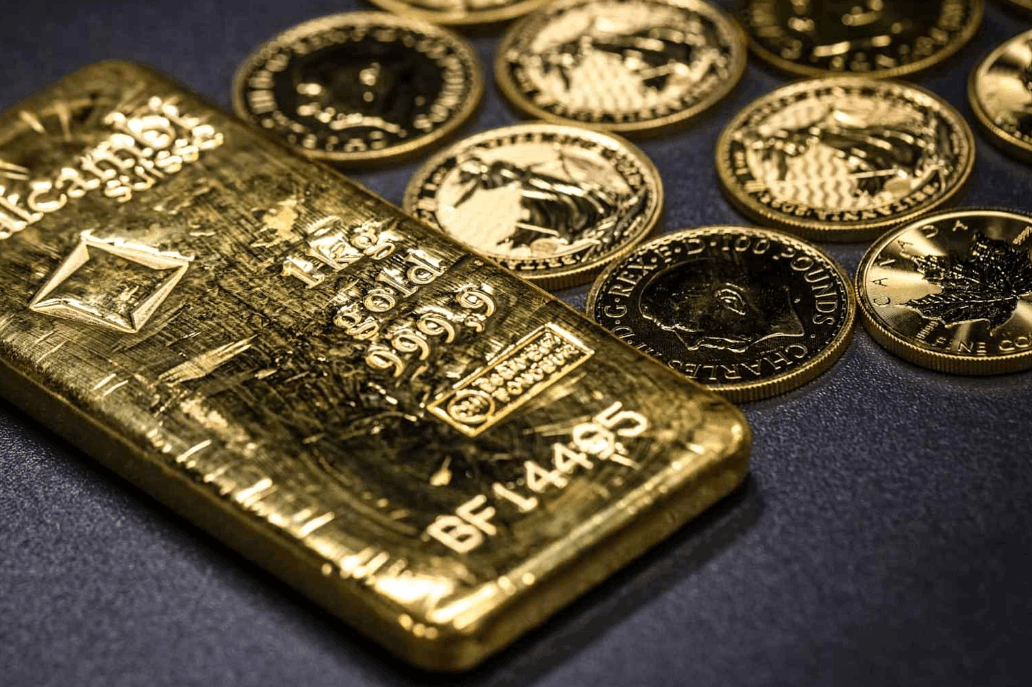
Gold and silver reversed part of their recent rally after a stronger than expected U.S. jobs report reduced immediate pressure on the Federal Reserve to cut interest rates. Gold had surged above $5,100 per ounce and silver jumped over 6 percent on hopes of softer economic data. However, robust job growth triggered a sharp sell off within minutes of the release. Despite the pullback, markets still expect at least two Fed rate cuts this year, keeping the broader outlook for precious metals constructive.
Latest Update
- Gold climbed above $5,100 per ounce while silver rallied more than 6 percent as weak retail sales fueled expectations of Federal Reserve rate cuts. Lower Treasury yields supported demand for non yielding assets.
- A stronger than forecast U.S. jobs report showed 130,000 jobs added and unemployment falling to 4.3 percent. Within seconds of the release, gold dropped over 1 percent and silver fell around 2.5 percent.
- Traders continue to price in at least two Fed rate cuts this year, with June seen as the likely starting point. Markets remain highly sensitive to labor and inflation data.
- Gold ETF inflows have increased amid geopolitical risks, and India saw near equal inflows into gold and equity funds. Institutional investors continue to treat precious metals as a hedge.
Why did gold and silver reverse gains after the U.S. jobs report?
Gold and silver fell because stronger job growth reduces the urgency for the Federal Reserve to cut interest rates. When employment data beats expectations, it signals economic resilience. That can push Treasury yields higher and strengthen the U.S. dollar, both of which typically pressure precious metals.
The labor report showed 130,000 jobs added compared to forecasts of 55,000 to 70,000. The unemployment rate dropped to 4.3 percent from 4.4 percent. Within 60 seconds of the announcement, gold dropped more than 1 percent and silver fell about 2.5 percent.
Why does this matter?
- Higher job growth suggests economic stability.
- A stable economy reduces the need for aggressive rate cuts.
- Higher interest rates increase the opportunity cost of holding gold.
Gold and silver do not generate yield. When bond yields rise, investors may prefer income-generating assets. This dynamic explains the swift reaction in bullion markets after the data release.
How do interest rate expectations impact gold prices?
Gold prices often rise when investors expect interest rates to fall. Lower rates reduce bond yields and weaken the dollar, making gold more attractive. Conversely, rising rate expectations typically weigh on bullion.
Earlier in the week, weak retail sales signaled slowing consumer spending. Treasury yields dropped to near one-month lows. That reduced the opportunity cost of holding gold, helping prices surge past $5,100 per ounce.
The relationship between rates and gold can be summarized below:
| Economic Condition | Impact on Rates | Effect on Gold |
|---|---|---|
| Weak growth data | Rate cuts likely | Gold rises |
| Strong jobs data | Rate cuts delayed | Gold falls |
| High inflation | Rates stay higher | Mixed impact |
| Falling yields | Lower opportunity cost | Gold strengthens |
According to CME FedWatch data, traders still expect at least two rate cuts this year, with June viewed as a likely starting point. That expectation continues to provide underlying support to gold and silver.
Gold Surges Above $5,100 Amid Dollar Weakness and China Treasury Concerns
What role did weak retail sales play in the rally?
Soft retail sales data initially fueled optimism that the Federal Reserve would pivot toward easing policy. Slower consumer spending suggests economic cooling, which can justify rate reductions.
Retail sales stalled in December, indicating consumers are becoming cautious. A slowdown in spending affects:
- Corporate earnings growth
- GDP expansion
- Inflation trends
When retail numbers disappointed, Treasury yields declined sharply. Lower yields boosted gold demand, pushing it above $5,100 per ounce. Silver also rallied strongly due to both monetary and industrial demand expectations.
This reaction highlights how sensitive bullion markets are to macroeconomic signals. Even modest changes in growth outlook can drive significant price swings.
Are gold ETFs and silver ETFs seeing renewed investor interest?
Yes, exchange-traded funds linked to gold and silver have seen significant inflows as investors seek safety and diversification. Institutional demand remains a key driver of the current bullish narrative.
The SPDR Gold Shares ETF has gained more than 26 percent year to date. The iShares Silver Trust has surged over 67 percent. These moves reflect both price appreciation and fresh capital inflows.
Notably, inflows into gold ETFs in India nearly matched equity fund inflows recently. This suggests:
- Investors are hedging against volatility.
- Geopolitical risks remain elevated.
- Portfolio diversification is a priority.
ETF participation often amplifies price trends because it channels large-scale institutional capital into physical metal markets. Rising ETF holdings can tighten supply and support prices.
How does gold compare to silver in this rally?
Gold is primarily a monetary hedge, while silver combines monetary appeal with industrial demand. This dual nature makes silver more volatile but potentially more rewarding during strong cycles.
| Factor | Gold | Silver |
|---|---|---|
| Primary Role | Store of value | Industrial and monetary |
| Volatility | Moderate | High |
| Year-to-date ETF Gain | 26%+ | 67%+ |
| All time spike | Near $5,600 | Above $121 |
Silver crashed from above $121 after hitting record highs, while gold retreated from near $5,600. Analysts at major banks expect silver to average around $81 per ounce next year, supported by industrial demand in renewable energy and electronics.
Investors seeking stability often prefer gold. Those seeking higher growth potential may lean toward silver, understanding its greater volatility.
What is the broader outlook for precious metals this year?
The broader outlook remains cautiously bullish as markets continue to anticipate Federal Reserve rate cuts and geopolitical tensions persist. Short term volatility is likely, but structural support remains intact.
Key bullish drivers include:
- Expected Fed rate cuts
- Persistent geopolitical uncertainty
- Strong ETF inflows
- Constrained silver supply
Risks to watch:
- Stronger than expected economic growth
- Delayed or fewer rate cuts
- Rising real yields
Precious metals recently corrected sharply from record highs. However, corrections often reset overheated markets and create healthier foundations for the next leg higher.
Key Takeaways
- Gold crossed $5,100 before reversing on strong U.S. job data.
- 130,000 jobs added reduced immediate rate cut pressure.
- Silver remains more volatile but shows stronger percentage gains.
- Markets still expect at least two Fed cuts this year.
- ETF inflows signal sustained institutional interest.
AerCap CEO on Gold, the Dollar, and Why Panic Is the Wrong Move
Frequently Asked Questions
Why did gold fall after the jobs report?
Gold fell because strong job growth reduces the likelihood of immediate interest rate cuts. Higher rates increase bond yields, making non-yielding assets like gold less attractive.
Is silver more volatile than gold?
Yes. Silver has both industrial and monetary demand, making it more sensitive to economic cycles and more volatile than gold.
Are rate cuts still expected this year?
Markets continue to price in at least two Federal Reserve rate cuts, with June seen as a likely starting point.
Do ETF inflows affect gold prices?
Yes. Large inflows into gold ETFs increase physical demand and can support higher prices, especially during risk off periods.
What was the recent high for gold?
Gold briefly touched nearly $5,600 per ounce before correcting sharply and stabilizing above $5,100.
Why does retail sales data impact gold?
Weak retail sales signal slower economic growth, which increases the chances of rate cuts and supports gold prices.
Is the long term outlook bullish for silver?
Many analysts expect silver to remain supported due to industrial demand and constrained supply, with projections around $81 per ounce next year.
Conclusion
Gold and silver reversed gains after a stronger-than-expected U.S. jobs report tempered immediate rate cut expectations. While gold briefly surged above $5,100 and silver rallied sharply, robust employment data triggered quick profit taking. Still, broader market expectations of multiple Federal Reserve rate cuts continue to provide structural support. With ETF inflows rising and geopolitical risks lingering, precious metals remain firmly on investors’ radar. Short term volatility is likely, but the medium term outlook for gold and silver continues to favor disciplined, data-driven positioning.