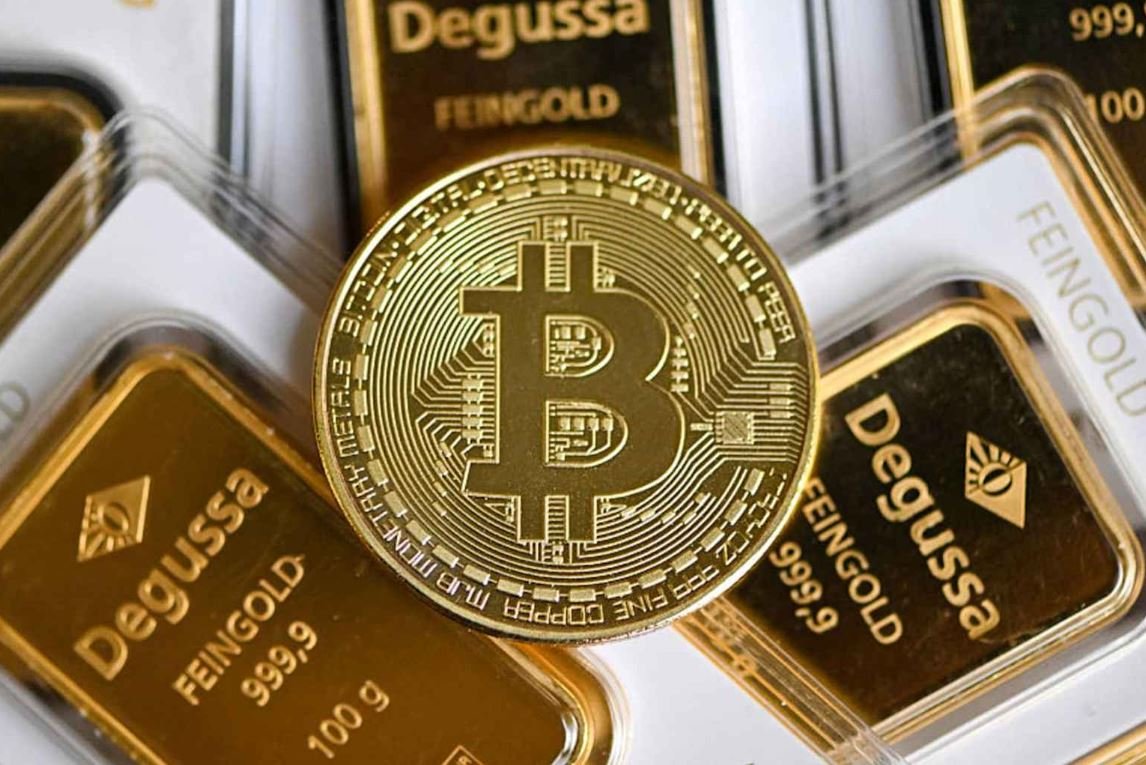
Bitcoin has fallen below $63,000 after a sharp wave of liquidations wiped out more than $467 million in leveraged crypto positions. The Crypto Fear and Greed Index plunged to 5 out of 100, signaling extreme fear rarely seen in the market. A massive $61.5 million Bitcoin long position on HTX was forcibly closed, highlighting how overleveraged traders were caught off guard. Rising macro uncertainty, whale selling, and fragile sentiment are fueling heightened volatility across the crypto market.
Latest Update
- Bitcoin erased its weekend rally after sliding from nearly $68,600 to below $63,000, triggering the largest single liquidation of $61.5 million on HTX. The wipeout signaled heavy leverage concentration among large traders rather than retail participants.
- Total crypto liquidations crossed $467 million in 24 hours, with long positions accounting for 93 percent of the damage. Bitcoin futures alone saw over $213 million in forced closures.
- The Crypto Fear and Greed Index dropped to 5 out of 100, one of its lowest readings ever recorded. Such extreme fear levels have historically appeared during major market capitulation phases.
- On chain data shows large holders moved nearly 900,000 BTC since mid February, suggesting distribution pressure. Analysts warn that continued whale selling could cap any short term recovery.
Why Did Bitcoin Drop Below $63,000 So Quickly?
Bitcoin fell sharply because leveraged long traders were heavily positioned for upside. When price momentum reversed, forced liquidations amplified the selloff. Combined with macro uncertainty and whale distribution, the market experienced a rapid cascade of exits.
The decline began after Bitcoin failed to hold gains near $68,600. Many traders had opened leveraged long positions expecting a breakout. When bids weakened, exchanges began liquidating positions automatically to cover margin losses.
The most dramatic example was a $61.5 million long position liquidated on HTX. That single event signaled concentrated risk exposure. Within hours, the broader crypto market saw $467.64 million in total liquidations affecting over 137,000 traders.
Liquidations accelerate volatility because:
- Forced selling pushes prices lower.
- Lower prices trigger more liquidations.
- Market makers widen spreads due to uncertainty.
- Retail panic increases downside momentum.
This chain reaction explains why Bitcoin fell below $63,000 faster than many anticipated.
How Severe Were the Crypto Liquidations?
The selloff was dominated by long liquidations, which made up roughly 93 percent of total forced closures. Bitcoin futures suffered the most damage, followed by Ethereum and Solana.
Here is a breakdown of the 24-hour liquidation data:
| Asset | Liquidations ($ Million) | Share of Total |
|---|---|---|
| Bitcoin | $213.62 | 45.6% |
| Ethereum | $113.89 | 24.3% |
| Solana | $19.89 | 4.2% |
| HYPE Token | $10.72 | 2.3% |
| Other Assets | $109.52 | 23.6% |
| Total | $467.64 | 100% |
Notably, $434 million of the total came from long positions. This indicates that traders were overwhelmingly bullish before the downturn.
Such imbalanced positioning often precedes sharp corrections. When most traders lean in one direction, the market becomes vulnerable to sudden reversals.
What Does a Crypto Fear Index Reading of 5 Mean?
A reading of 5 on the Crypto Fear and Greed Index signals extreme fear. It reflects panic selling, loss realization, and risk aversion across the market.
The index ranges from 0 to 100. Values near 0 indicate maximum fear, while values near 100 show extreme greed. A reading of 5 is exceptionally rare and historically linked to capitulation phases.
When fear hits such levels, it typically means:
- Short term holders are selling at losses.
- Volatility is elevated.
- Media sentiment is negative.
- Retail participation declines.
On chain analytics show short-term Bitcoin holders are realizing nearly $480 million in losses per day on a seven day average. Although lower than the $1.24 billion peak earlier in the month, it still reflects sustained pressure.
Extreme fear does not guarantee immediate recovery. However, historically it has often preceded medium term rebounds once forced selling subsides.
Are Whales Selling Bitcoin Again?
Yes, large holders appear to be distributing Bitcoin. Approximately 900,000 BTC worth around $60 billion has moved since mid February, suggesting supply overhang in the market.
Whale movements matter because they represent concentrated capital. When large wallets transfer significant amounts to exchanges or new addresses, it often signals strategic repositioning.
Here is how whale behavior compares to retail activity:
| Factor | Whale Activity | Retail Activity |
|---|---|---|
| Capital Size | Very large holdings | Small to medium holdings |
| Market Impact | High price influence | Limited individual impact |
| Strategy | Distribution or accumulation cycles | Momentum-driven trading |
| Current Trend | Net distribution pressure | Forced long liquidations |
When whales distribute during weak sentiment, recovery attempts often face resistance. Buyers must absorb substantial supply before prices can stabilize.
How Does This Compare to Previous Bitcoin Crashes?
The current drop resembles past leverage-driven corrections rather than structural collapses. Unlike major bear markets, network fundamentals remain intact, but macro headwinds are stronger.
Bitcoin now trades roughly 48 percent below its October all time high of $126,000. It also sits around 5.5 percent below the previous bull market peak near $69,000.
Key differences compared to earlier downturns:
- No major exchange collapse is driving panic.
- Institutional exposure is higher than in previous cycles.
- Macro risks such as tariffs and geopolitical tensions are elevated.
- Leverage remains a dominant volatility factor.
This suggests the correction is largely leverage-induced rather than fundamentally driven. However, prolonged macro uncertainty can extend downside pressure.
Should Investors Buy the Dip or Stay Cautious?
Investors should balance opportunity with risk management. Extreme fear can present entry points, but volatility and whale selling suggest caution is still warranted.
Consider the following approach:
- Avoid high leverage during unstable conditions.
- Use staggered buying rather than lump sum entries.
- Monitor the chain whale flows.
- Assess macro news before committing capital.
For Indian investors evaluating exposure, price volatility of $5,000 in a single session can translate to major portfolio swings. A disciplined plan matters more than emotional reactions.
Long-term believers often view extreme fear as an accumulation phases. Short-term traders must prepare for continued sharp price swings.
Key Takeaways
- Bitcoin fell below $63,000 due to leveraged long liquidations.
- $467 million in crypto positions were wiped out in 24 hours.
- The Crypto Fear Index hit 5, signaling historic extreme fear.
- Whales moved 900,000 BTC, adding distribution pressure.
- Macro uncertainty continues to influence market volatility.
Frequently Asked Questions
Why did Bitcoin crash below $63,000?
Bitcoin dropped due to heavy leveraged long liquidations and weakening market sentiment. Over $467 million in positions were forcibly closed, accelerating the decline.
What is the Crypto Fear and Greed Index?
It is a sentiment indicator that ranges from 0 to 100. A reading of 5 signals extreme fear and panic among investors.
How much was liquidated in the recent crypto selloff?
Approximately $467.64 million was liquidated in 24 hours, with $434 million coming from long positions.
Are Bitcoin whales selling?
Yes, on chain data suggests around 900,000 BTC has moved recently, indicating possible distribution by large holders.
Is this a good time to buy Bitcoin?
Extreme fear can present opportunities, but volatility remains high. Investors should use risk management and avoid excessive leverage.
How does leverage impact Bitcoin price drops?
Leverage amplifies moves. When prices fall, exchanges automatically liquidate positions, causing additional selling pressure.
Conclusion
Bitcoin’s drop below $63,000 highlights how fragile sentiment remains in the crypto market. The combination of massive leveraged liquidations, extreme fear readings, and whale distribution has intensified short term volatility. While fundamentals may not signal structural collapse, macro uncertainty and concentrated risk exposure keep traders on edge. For investors, this phase demands discipline, patience, and strong risk management. Extreme fear often creates opportunity, but only for those prepared to withstand ongoing turbulence in the digital asset landscape.