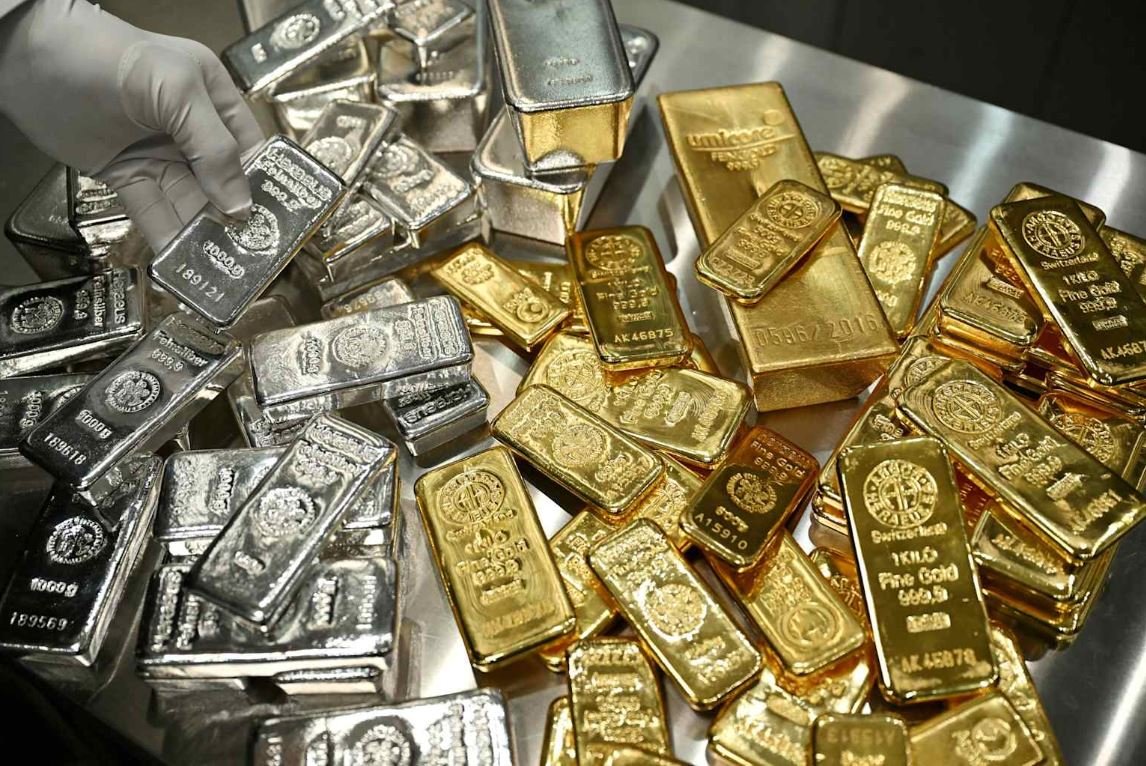
Gold and silver prices are rising sharply because global conflict is pushing investors toward safe-haven assets. Gold is trading near $5160 per ounce while silver is around $83, driven by geopolitical uncertainty, central bank buying, and supply disruptions. Investors typically move away from volatile assets like stocks during crises and shift toward metals that preserve value. At the same time, industrial demand and supply shortages are strengthening silver’s rally, making both metals attractive despite short term volatility.
Introduction
Gold and silver markets are witnessing an extraordinary rally as tensions between the United States, Israel, and Iran escalate. Investors across the world are reallocating capital into precious metals to hedge against uncertainty, inflation, and currency fluctuations.
This surge is not just driven by fear but also by structural changes in global demand and supply. Central banks are aggressively buying gold, while silver is benefiting from industrial demand in renewable energy and electric vehicles.
If you are an investor or someone tracking global financial trends, this is a critical moment to understand where the market is heading and what it means for your portfolio.
Latest News Update
- Gold prices have crossed a historic milestone, trading above $5000 per ounce as investors rush into safe haven assets. The surge reflects growing concern about a prolonged geopolitical conflict and its impact on global markets.
- Silver prices have climbed close to $83 after touching higher levels earlier. Strong industrial demand from solar panels and electric vehicles continues to support its upward momentum.
- Global bullion supply chains are facing disruptions due to restricted air routes and logistical challenges. Dealers in Asia are reporting tighter inventory and increased physical buying demand.
- Central banks are steadily increasing gold reserves to reduce dependency on the US dollar. This trend is reinforcing long term bullish sentiment in the precious metals market.
- Analysts warn that while fundamentals remain strong, short term volatility is likely. Investors are closely monitoring geopolitical developments and interest rate expectations.
Why Are Gold and Silver Prices Rising During the US Iran Conflict?
Gold and silver prices are rising because investors seek stability during geopolitical crises. When uncertainty increases, capital shifts from risky assets like equities into safer options like precious metals.
This current conflict has triggered fear of a wider regional war. Such situations historically lead to a surge in demand for gold and silver.
Key Drivers Behind the Price Surge
- Geopolitical instability in the Middle East
- Increased safe haven investment demand
- Strong central bank gold accumulation
- Weakening expectations for the US dollar
- Rising industrial demand for silver
- Supply chain disruptions in bullion markets
Gold is widely viewed as protection against inflation and currency devaluation. Silver, on the other hand, benefits from both investment demand and industrial usage.
How Does War Impact Global Precious Metals Markets?
Wars significantly influence gold and silver prices by increasing uncertainty and disrupting economic stability. Investors typically hedge their portfolios with metals during such periods.
Major Impacts of War on Precious Metals
- Safe Haven Demand
Investors move toward gold as a reliable store of value when markets become unstable. - Currency Weakness
Wars often increase government spending and debt, weakening currencies and boosting gold prices. - Supply Chain Disruptions
Transportation and logistics interruptions affect the movement of bullion globally. - Central Bank Strategy
Countries increase gold reserves to secure financial stability during uncertain times.
These combined effects create strong upward pressure on precious metal prices.
What Are the Current Gold and Silver Price Trends?
Gold and silver are currently in a strong bullish trend driven by global uncertainty and structural demand supply imbalances.
Current Market Snapshot
| Metal | Current Price | Recent Peak | Key Driver |
|---|---|---|---|
| Gold | $5160/oz | Above $5000 | Safe haven demand |
| Silver | $83/oz | Near $120 earlier | Industrial demand, shortage |
Gold is benefiting from central bank purchases and investor demand. Silver is gaining from both investment inflows and industrial consumption.
Market Outlook
- Gold may remain elevated if geopolitical risks persist
- Silver could experience volatility due to dual demand nature
- Both metals are expected to stay strong in uncertain conditions
Why Is Silver Facing a Supply Deficit?
Silver is experiencing a supply deficit because global demand is outpacing production. Industrial sectors are consuming more silver than ever before.
Key Demand Drivers
- Solar energy expansion
- Electric vehicle production
- Electronics manufacturing growth
Supply Challenges
- Limited mining output
- Slow expansion of production capacity
- Export and logistics constraints
Supply Demand Comparison
| Factor | Impact on Silver Market |
|---|---|
| Industrial demand | Strong increase |
| Mine production | Limited growth |
| Supply chain issues | Distribution delays |
| Investment demand | Rising sharply |
This imbalance is expected to support long term price growth.
How Do Central Banks Influence Gold Prices?
Central banks play a major role in driving gold prices by purchasing large reserves. Their buying reduces available supply and increases market confidence.
Why Central Banks Buy Gold
- Reduce dependence on the US dollar
- Protect against inflation
- Strengthen financial stability
- Diversify foreign reserves
Large scale purchases create strong upward momentum in gold prices. In recent years, central bank buying has reached record levels, supporting the ongoing rally.
Will Gold and Silver Prices Continue Rising?
Gold and silver prices are likely to remain strong if geopolitical tensions and supply shortages continue. However, short term corrections are possible.
Key Factors to Watch
- Middle East geopolitical developments
- Interest rate decisions by central banks
- Inflation trends globally
- Industrial demand for silver
- Central bank gold purchases
Short Term vs Long Term Outlook
| Time Frame | Gold Outlook | Silver Outlook |
|---|---|---|
| Short Term | Volatile | Highly volatile |
| Long Term | Bullish | Strong bullish |
Investors should stay cautious in the short term but optimistic for long term growth.
What Should Investors Do in This Market?
Investors should focus on diversification and long term strategy rather than reacting to short term volatility.
Practical Investment Approach
- Allocate a portion of portfolio to gold for stability
- Consider silver for growth potential
- Avoid panic buying during price spikes
- Monitor global economic indicators
- Stay updated on geopolitical developments
Risk Management Tips
- Do not invest all capital at once
- Use staggered buying strategy
- Maintain liquidity for opportunities
Key Takeaways
- Gold is trading near $5160 due to strong safe haven demand
- Silver is around $83 supported by industrial growth
- Geopolitical tensions are the primary driver of the rally
- Central banks are increasing gold reserves globally
- Silver faces a structural supply deficit
- Short term volatility is expected but long term outlook remains strong
FAQs
1. Why are gold prices rising so fast right now?
Gold prices are rising due to geopolitical tensions and increased safe haven demand. Investors are moving capital into gold to protect against uncertainty and inflation.
2. Is silver a better investment than gold currently?
Silver offers higher growth potential due to industrial demand but is more volatile than gold. Gold is better for stability.
3. Will gold prices fall after the conflict ends?
Gold may correct slightly, but long term demand from central banks and investors could keep prices elevated.
4. Why is silver demand increasing globally?
Silver demand is rising due to its use in solar panels, electric vehicles, and electronics manufacturing.
5. How do central banks affect gold prices?
Central banks increase gold prices by buying large reserves, reducing market supply and boosting investor confidence.
6. Is this a good time to invest in gold?
It depends on your strategy. Long term investors may benefit, but short term volatility should be considered.
7. What causes silver supply shortages?
Limited mining production and rising industrial demand are the main reasons for silver shortages.
8. Can geopolitical conflicts impact silver prices as much as gold?
Yes, but indirectly. Silver reacts to both geopolitical factors and industrial demand, making it more volatile.
9. How high can gold prices go?
Prices depend on global conditions, but continued uncertainty and inflation could push gold higher.
10. Should beginners invest in precious metals?
Yes, but with caution. Start with small allocations and diversify your portfolio.
Conclusion
The surge in gold and silver prices reflects a deeper shift in global financial markets driven by geopolitical tensions, economic uncertainty, and structural demand changes. Gold continues to act as a reliable store of value, while silver is gaining momentum from industrial growth and supply shortages.
While short-term volatility is inevitable, the long-term outlook for precious metals remains strong. Investors who understand these trends can position themselves strategically to benefit from market movements.
If you want expert insights on smart investments and wealth-building strategies, stay connected with Housivity for practical guidance that helps you make confident financial decisions.