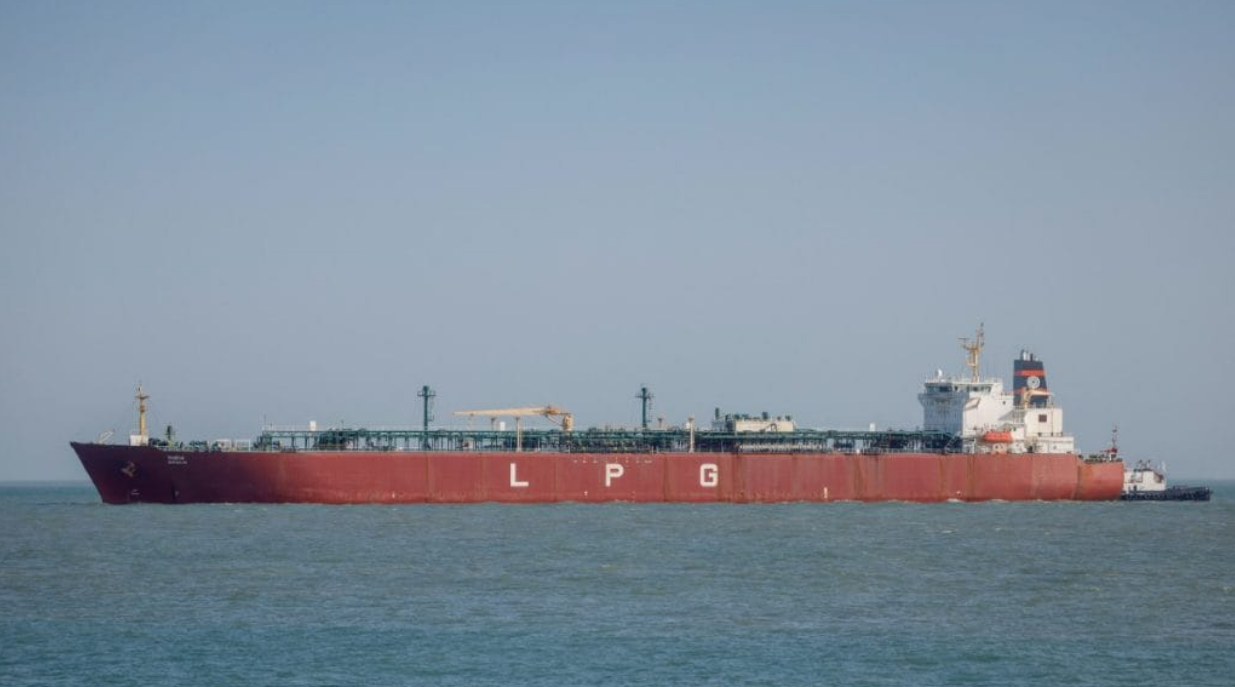
India’s energy strategy is undergoing a rapid, historic transformation as severe geopolitical blockades push the nation to accelerate piped natural gas infrastructure and diversify its global fuel imports.
The global energy supply chain is facing its most significant shock since the 1970s. Following regional escalations, maritime traffic through the Strait of Hormuz—the critical chokepoint through which 20% of global seaborne oil and nearly 90% of India’s Liquefied Petroleum Gas (LPG) imports traditionally travel—has collapsed from 130 daily transits to fewer than 10.
To safeguard the cooking fuel needs of over 340 million households, Indian state-run Oil Marketing Companies (OMCs) have fundamentally rewritten their procurement playbooks. For the first time, shipments of US LPG have surpassed traditional Gulf volumes. Driven by necessity, New Delhi is executing a dual-track strategy: aggressively scaling up long-term Atlantic contracts and fast-tracking the domestic expansion of City Gas Distribution (CGD) networks via Piped Natural Gas (PNG).
Why Is India Increasing LPG Imports From The US?
India is rapidly increasing its liquefied petroleum gas imports from the United States to bypass the highly volatile Middle Eastern shipping corridors and ensure an uninterrupted fuel supply for consumers. The blockades in the Strait of Hormuz made relying on traditional Gulf corporations a massive risk to national energy security. By tapping into the expansive production capacity of the American market, Indian energy firms are securing reliable, long-term alternative shipments.
These alternative shipping routes travel across open oceans that are entirely unaffected by the localized conflicts in West Asia. Spreading import volumes across distant Western suppliers allows India to reduce its vulnerability to sudden geopolitical shocks. This structural diversification ensures that the domestic supply chains feeding Indian kitchens remain perfectly stable, even if regional tensions in the Middle East continue to escalate.
State of India’s LPG Supply Dependency
| Supply Origin Segment | Baseline Import Share | Emergency Strategic Action |
| Middle East Gulf Nations | Approximately 90% of imports | Shifted spot procurement to Atlantic basin suppliers |
| United States Gulf Coast | Emerging primary supplier | Accelerated long term term and spot contracts |
| Domestic Indian Refineries | 40% of total consumption | Ramped up localized production streams by 25% |
How Is The Strait Of Hormuz Crisis Affecting India’s LPG Supply?
The Strait of Hormuz crisis has severely bottlenecked the main maritime artery used for India’s energy procurement, causing imports from traditional Gulf suppliers to plunge sharply. Because the narrow waterway is a primary chokepoint for global fuel transit, naval blockades instantly strand contracted cargo ships. This sudden lack of access has created intense logistical friction, driving international crude prices past 100 dollars per barrel.
Beyond the physical shipping delays, the crisis has caused maritime insurance premiums and freight transport costs to skyrocket for vessels operating in the region. To protect the domestic economy from these surging expenses, Indian energy enterprises are drawing down on strategic reserves while re-routing empty tankers away from high-risk zones. This ongoing commercial stress has highlighted the danger of relying on a single geographic corridor for crucial household fuels.
READ ALSO
US-Iran Tensions Push Oil Above $100 as India Faces Economic Pressure
Global Economy • Oil Prices • India Market Impact
What Is India’s Plan To Expand Piped Natural Gas?
The government is aggressively expanding Piped Natural Gas (PNG) infrastructure across urban centers to permanently reduce public reliance on imported liquefied petroleum gas cylinders. Unlike traditional steel cylinders that require complex trucking logistics, storage, and constant refilling, piped gas is delivered directly into residential kitchens via an interconnected underground network. This structural shift creates a highly insulated, continuous domestic utility system.
To speed up this massive infrastructure deployment, central policymakers have implemented a series of targeted administrative reforms:
- Single Window Clearances: Bureaucratic approvals for inter state pipeline projects have been completely centralized to eliminate multi month construction delays.
- Subsidized Development Fees: Municipal road restoration charges and local pathway permissions have been heavily reduced to lower setup costs for utility firms.
- Consumer Transition Programs: Cities are rolling out financial incentives to encourage metropolitan families to switch to pipelines, freeing up existing cylinder stocks for remote rural areas.
How Are Oil Companies And Consumers Responding To The Shift?
State run oil marketing enterprises are responding by running domestic refineries at absolute maximum capacity while shifting their economic indicators toward Western benchmarks. Rather than utilizing traditional Middle Eastern pricing, Indian purchasers are increasingly anchoring contracts to the Mont Belvieu pricing index in Texas. Local refineries have also optimized their production mix, boosting domestic propane and butane streams by roughly 25% to cushion the import shortfall.
Consumer responses vary significantly based on geographic location and infrastructure accessibility:
- Urban Households: Metropolitans are showing high enthusiasm for piped gas connections due to the sheer convenience of continuous supply and lower long term utility costs.
- Rural Communities: Remote villages continue to rely heavily on standard cylinders because laying physical pipeline grids across vast, rugged terrain requires extensive time.
- Distribution Firms: Gas utility corporations are launching massive marketing campaigns, offering zero down payment installation options to accelerate urban conversions.
What Are The Long Term Implications For India’s Energy Security?
The permanent structural shift toward diverse US imports and a robust national pipeline grid will significantly strengthen India’s long term energy resilience. By breaking the historical monopoly of Middle Eastern supply routes, the country is insulating its broader economy from localized geopolitical conflicts. This balanced procurement strategy ensures that future shipping disruptions in any single waterway cannot trigger an immediate domestic crisis.
Additionally, building out extensive city gas infrastructure provides a foundational network that can support future transitions to cleaner, blended fuels like green hydrogen. While the initial capital expenditure for nationwide pipeline deployment is immense, the long term operational savings will significantly lower the country’s foreign exchange bill. India is successfully transforming an acute geopolitical crisis into a strategic springboard for a modern, self reliant utility framework.
READ ALSO
US LPG Supplies to India Surge as Hormuz Crisis Reshapes Energy Trade
Energy Markets • India LPG Imports • Hormuz Crisis
Comparative Analysis: Traditional LPG vs. Emerging PNG Infrastructure
| Operational Utility Variable | Traditional LPG Cylinder System | Emerging Piped Natural Gas (PNG) |
| Primary Supply Source | Heavily reliant on foreign maritime imports | Sourced via domestic fields and stable long term LNG |
| Logistical Delivery Model | Vulnerable to shipping lanes, port delays, and trucking | Direct, continuous delivery through localized pipelines |
| Pricing Vulnerability | Direct exposure to high geopolitical risk premiums | Stable, regulated domestic pricing frameworks |
| Consumer Convenience | Requires advance bookings and physical cylinder swaps | Uninterrupted utility flow with automated billing metrics |
In Short: Key Energy Shifts
- The Trade Inversion: US liquefied petroleum gas shipments to India have officially surpassed Gulf import volumes for the first time.
- The Chokepoint Factor: Severe naval blockades in the Strait of Hormuz forced a rapid rewrite of India’s fuel procurement strategy.
- The Domestic Fix: New Delhi is fast tracking piped natural gas networks, slashing municipal fees to accelerate pipeline layout.
- The Economic Anchor: State refiners are boosting local propane output by 25% and linking contracts to Western pricing hubs.
Frequently Asked Questions
Why did US LPG shipments to India surpass Gulf volumes?
US shipments took the lead because ongoing geopolitical blockades in the Strait of Hormuz severely disrupted traditional Middle Eastern trade routes. Indian energy companies adjusted by rapidly expanding their procurement from stable Atlantic basin suppliers.
How is India managing the long shipping times from the United States?
While voyages from the US take 30 to 45 days compared to just a few days from the Middle East, Indian oil marketing corporations are using long-term time-chartered vessels and advanced scheduling to maintain a steady rolling supply buffer.
What is the primary benefit of switching from LPG to PNG?
Piped natural gas offers an uninterrupted supply delivered directly to homes through underground pipes, completely eliminating the need for cylinder manufacturing, shipping, booking cycles, and localized trucking logistics.
Are domestic Indian refineries increasing their gas output?
Yes, domestic refineries are operating at maximum capacity under federal directives. They have successfully shifted their internal processing streams to increase local propane and butane production by roughly 25%.
Will rural areas in India lose access to cooking gas cylinders?
No, the transition to piped gas is primarily targeting dense urban centers. Moving city households to pipelines frees up millions of traditional cylinders, ensuring a stable and secure supply for rural communities.
What pricing index is India using for its new US gas contracts?
Indian energy procurement is increasingly moving away from the traditional Saudi Aramco Contract Price and anchoring instead to the Mont Belvieu benchmark in Texas, which provides highly transparent, market-driven pricing.
Is India completely cutting off its energy ties with Middle East nations?
No, India is maintaining its long-term strategic energy partnerships, including joint reserve agreements with the UAE. The current strategy is focused on diversification and building a secure economic hedge, rather than total isolation.
Final Thoughts on India’s Energy Transition
The current realignment of India’s energy architecture proves that geopolitical volatility can serve as an incredibly powerful accelerator for domestic structural reform. While the sudden closure of traditional maritime lanes created an immediate threat to the household fuel security of millions, the proactive diversification into US markets successfully averted a systemic crisis. By simultaneously funding massive city gas networks and optimizing local refinery outputs, the nation is systematically reducing its exposure to foreign chokepoints. This balanced approach not only stabilizes the current macroeconomic environment against intense inflationary pressures but also lays the physical groundwork for a modern, resilient, and independent national energy grid.