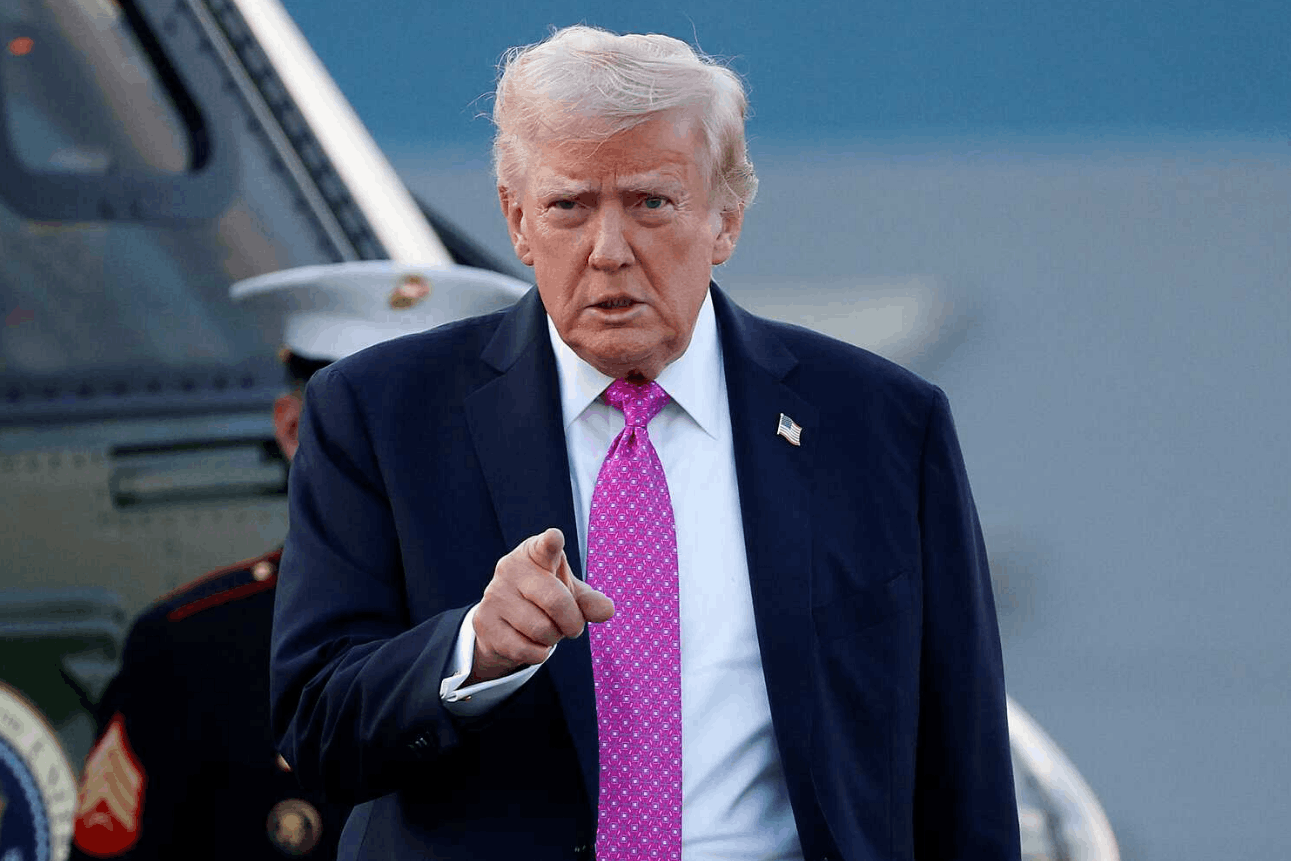
The U.S. government recently signaled a major shift in Caribbean policy during a high-profile summit in Miami. The administration suggested that after recent military operations in Venezuela and Iran, Cuba is the next priority for American foreign policy. This stance comes amid a devastating energy crisis on the island, fueled by a tightened oil blockade and the collapse of its traditional alliance with Venezuela. While diplomatic channels remain open for now, the message from Washington is clear: economic stability in Havana is inseparable from fundamental political change.
Latest Update
- Regional Military Escalation: The administration recently touted the success of operations that led to the capture of the Venezuelan leadership in January and ongoing actions in the Middle East. These events have emboldened officials to suggest that the same level of pressure will now be directed toward the Caribbean.
- A Crippling Energy Crisis: Cuba has experienced multiple nationwide power grid collapses this month, leaving millions of citizens without electricity for days at a time. The outages are largely attributed to a U.S.-led blockade that has prevented oil tankers from reaching the island for over 90 days.
- Diplomatic Deadlock in Paris: During a recent G7 summit, the Secretary of State reinforced the idea that no economic relief will be granted to Havana as long as the current system of government remains in place. This uncompromising position has complicated efforts by European allies to mediate the growing humanitarian concerns.
- Secretive Bilateral Talks: Despite the aggressive public rhetoric, representatives from both nations have confirmed that sensitive discussions are taking place behind the scenes. These talks represent the first official acknowledgment of direct engagement aimed at avoiding a full-scale military or humanitarian catastrophe.
Is Cuba the Next Target of U.S. Foreign Policy?
The administration has explicitly stated that the island nation is the next focus of its “maximum pressure” campaign. By citing recent successes in ousting leaders in South America and striking targets in the Middle East, officials are framing the Cuban situation as an inevitable next step. The goal appears to be a total transformation of the political landscape in the Western Hemisphere, using economic leverage and the threat of military action to force a transition.
This shift in strategy follows the dramatic events of early 2026. After U.S. forces intervened in Venezuela, the primary source of subsidized oil for the island was immediately cut off. This created a vacuum that the Cuban government has been unable to fill. The administration is now betting that the combination of internal energy failure and external isolation will lead to a “friendly takeover” or a total collapse of the existing administration.
Furthermore, the rhetoric used at the Miami summit suggests that the “strategic patience” of previous years has ended. By publicly telling the media to “disregard” the threat while simultaneously repeating it, the leadership is using a classic tactic of keeping the opposition off balance. This unpredictability is a core component of the current U.S. approach to regional security.
How Is the Oil Blockade Impacting the Cuban Economy?
The oil blockade has effectively paralyzed the nation’s infrastructure, leading to a humanitarian emergency characterized by blackouts and a breakdown of basic services. Since late January, an executive order has threatened tariffs on any country or company that attempts to deliver crude oil to the island. This has forced traditional suppliers, including Mexico, to halt shipments, leaving the local power grid with less than half the fuel required to operate.
Comparison of Regional Energy Support (Pre vs. Post January 2026)
| Factor | Status Before January 2026 | Status as of March 2026 |
| Primary Oil Supplier | Venezuela (70,000 barrels/day) | Zero (Shipments halted by U.S.) |
| Secondary Supplier | Mexico (Stable shipments) | Suspended (Due to tariff threats) |
| Grid Stability | Frequent but managed outages | Total grid collapses (3 in one month) |
| Public Services | Operating with limitations | Hospitals and schools closing regularly |
The impact goes beyond just keeping the lights on. Without fuel, trash collection has stopped in major cities like Havana, leading to piles of refuse on street corners and increasing the risk of disease. Transportation is almost nonexistent, and the agricultural sector cannot harvest or distribute food, leading to severe shortages of basic rations. The United Nations has warned that without an immediate restoration of fuel supplies, the country faces a total societal breakdown.
Why Is the Secretary of State Demanding Regime Change?
The U.S. position is that the economic suffering of the island is a direct result of its centralized government system rather than external sanctions. The Secretary of State argued at the G7 meeting in Paris that economic freedom cannot exist without political freedom. By refusing to deal with the current leadership, Washington is signaling that it will only provide relief if there is a fundamental change in how the country is governed.
This “all or nothing” approach is designed to eliminate any middle ground. While some international partners have suggested a gradual easing of sanctions in exchange for small reforms, the current administration has dismissed these ideas as “deals that leave the same families in power.” The strategy is to ensure that the cost of maintaining the status quo becomes higher than the cost of stepping down.
Strategic Objectives of the “Maximum Pressure” Campaign
- Isolation: Severing all remaining ties between the island and its regional allies.
- Infrastructure Collapse: Allowing the energy grid to fail to prove the current system is unsustainable.
- Internal Unrest: Using economic hardship to spark popular protests similar to those seen in 2021.
- Security Neutralization: Forcing the military to choose between supporting the leadership or accepting U.S. aid.
The administration believes that the island’s government is at its weakest point in decades. By maintaining this pressure, they hope to achieve a result similar to the recent transition in Venezuela without having to engage in a prolonged ground conflict.
What Role Does the Miami Summit Play in This Strategy?
The Future Investment Initiative Priority Summit served as a platform to align global investors with the U.S. vision for a “post-transition” Caribbean. Held at the Faena Hotel, the summit brought together policymakers and billionaires to discuss where capital will flow once the current regional conflicts are resolved. By declaring that the island is “next,” the administration is inviting the private sector to prepare for a massive reinvestment opportunity.
Projected Investment Shifts in the Caribbean Basin
| Industry Sector | Current Status | Post-Transition Outlook |
| Energy & Power | Dilapidated/Failing | Complete modernization via private firms |
| Tourism | Stagnant/Sanctioned | Massive expansion of U.S. hotel chains |
| Agriculture | Subsistence/Failing | Industrialization for export markets |
| Telecommunications | Highly Restricted | Full 5G rollout and open internet access |
The summit also highlighted the role of the diaspora community in Miami. Local leaders see themselves as the natural architects of a new economy on the island. The administration is leveraging this local support to build a “shadow government” of sorts, ready to step in if the current administration in Havana falters.
Can Diplomacy Still Avert a Military Confrontation?
Despite the threats of “takeovers” and “military success,” there is a quiet diplomatic track still in operation. The Cuban President recently acknowledged that his officials are meeting with American representatives to find “solutions through dialogue.” This suggests that neither side is truly ready for a full scale war, even if the public rhetoric suggests otherwise.
The Cuban leadership has made it clear that while they are willing to talk about “bilateral differences,” the presidency itself is not up for negotiation. They have released some political prisoners as a sign of good faith, but they remain firm on the issue of national sovereignty. This creates a dangerous stalemate: the U.S. demands a change in leadership as a prerequisite for aid, while the Cuban government views that demand as an act of war.
History shows that negotiations of this nature are lengthy and prone to failure. With the energy crisis worsening by the hour, the window for a diplomatic solution is closing. If the talks do not produce a breakthrough regarding fuel shipments soon, the “kinetic action” hinted at by the U.S. leadership may move from a threat to a reality.
Key Takeaways
- Direct Threat: The U.S. has officially labeled Cuba as the next target for its regional “Maximum Pressure” campaign.
- Fuel Blockade: A total cutoff of Venezuelan and Mexican oil has left 10 million people without consistent power.
- Regime Change: The Secretary of State insists that no economic aid will be provided without a change in the system of government.
- Secret Talks: High-level diplomatic discussions are ongoing but have yet to resolve the fundamental dispute over leadership.
- Miami Summit: Global investors are being prepped for a “post-transition” investment boom on the island.
Frequently Asked Questions
What did the President say about Cuba in Miami?
The President stated “Cuba is next,” implying the nation is the next target for U.S. foreign policy or military action following recent operations in Venezuela and Iran. He suggested the military he built is ready for use if necessary.
Why is there a blackout in Cuba right now?
The current blackouts are caused by a lack of fuel for power plants. This is the result of a U.S. oil blockade that has stopped shipments from Venezuela and threatened other countries with tariffs if they supply the island.
Is the U.S. planning a military invasion of the island?
While the administration has mentioned “taking” the country and hinted at “kinetic action,” no formal invasion has been announced. The current strategy focuses on economic pressure and the threat of military force to encourage a government change.
What is the Secretary of State’s position on the crisis?
The Secretary of State believes that the economic system cannot be fixed without changing the government. He has rejected any deal that keeps the current leadership in power, even for humanitarian reasons.
Are the U.S. and Cuba still talking?
Yes, both governments have confirmed that diplomatic talks are active. These discussions are aimed at finding solutions to bilateral issues, though they are described as “sensitive” and “lengthy” by the Cuban leadership.
How has the situation in Venezuela affected Cuba?
Cuba used to receive 70,000 barrels of oil daily from Venezuela. After the U.S. military operation in Venezuela in January 2026, these shipments were completely stopped, leading to the current energy collapse.
What is the “friendly takeover” mentioned by officials?
A “friendly takeover” refers to a potential transition where the current government steps down or allows for significant U.S. influence in exchange for an end to the blockade and a massive influx of private investment.
Conclusion
The declaration that “Cuba is next” marks a definitive end to the era of cautious diplomacy in the Caribbean. By combining a total oil blockade with the threat of military action, the U.S. administration is attempting to force a regime change that has eluded Washington for over sixty years. The humanitarian costs are already visible in the darkened streets of Havana and the shuttered hospitals across the provinces.
As the energy crisis deepens, the world is watching to see if the ongoing secret talks can provide a peaceful exit from this escalating conflict. However, with both sides holding firm on the issue of political sovereignty, the risk of a more confrontation remains high. For now, the island sits at a crossroads between a potential economic rebirth driven by Miami capital and a catastrophic collapse that could reshape the region for generations.