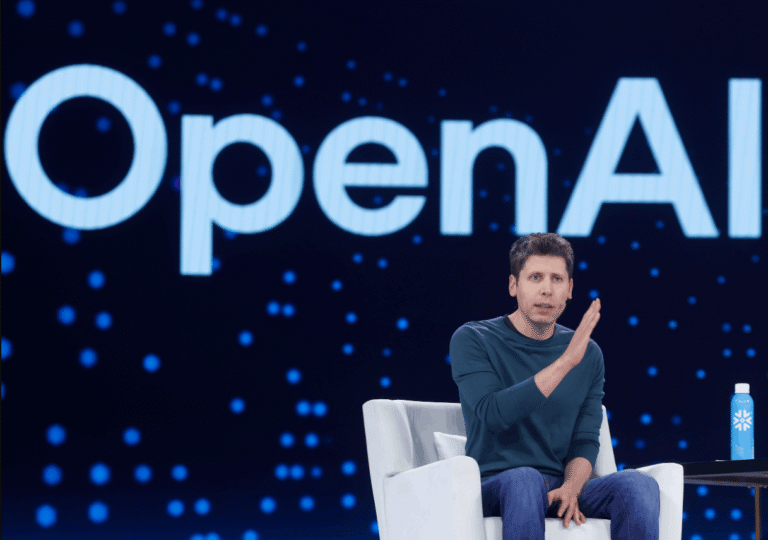
Silicon Valley’s most valuable private giants—OpenAI, Anthropic, and SpaceX—are preparing for record-breaking Initial Public Offerings (IPOs) in 2026, with combined valuations projected to exceed $1.6 trillion. Buoyed by a stabilization in interest rates and a “soft landing” for the U.S. economy, these listings signal the end of a three-year “exit logjam.” The massive influx of capital is expected to fund critical AI infrastructure, including space-based data centers and “Project Stargate,” while potentially creating over 16,000 new millionaires.
Latest Updates on the 2026 Mega-IPOs
- Space-Based AI: SpaceX plans to use IPO proceeds to build orbital data centers, bypassing terrestrial energy and land constraints to run advanced AI workloads in space.
- Structural Shifts: OpenAI has completed its 2025 transition from a nonprofit to a for-profit “Public Benefit Corporation” (PBC) to facilitate its public debut.
- Legal Preparation: Anthropic has officially engaged law firm Wilson Sonsini to begin the regulatory groundwork for a listing expected in the latter half of 2026.
A Watershed Moment for Global Capital Markets
The anticipated debuts of these “frontier tech” firms represent more than just financial transactions; they mark a geopolitical and economic shift known by Wall Street analysts as “The Great Unlocking.” After years of stagnant private equity markets, the Federal Reserve’s decision to bring the federal funds rate to a range of 3.5%–3.75% in late 2025 has reopened the liquidity floodgates.
Investment banking powerhouses Goldman Sachs and Morgan Stanley are already seeing the benefits, reporting surges in investment banking fees of 25% and 47%, respectively. This “renaissance” isn’t limited to the United States. In Hong Kong, nearly 60% of long-term capital that exited during the 2022–2024 downturn has returned, with analysts forecasting up to 150 new listings in the city for 2026. As these tech titans move toward the public eye, they bring with them a new era of “AI-driven macroeconomics,” where the scale of private companies begins to rival the GDP of mid-sized nations.
Read Also: European Stocks Hit Record Highs Despite Trump’s Iran Tariff Threat
The IPO Pipeline: Valuations and Status
The scale of the 2026 pipeline is unprecedented, with these three companies alone potentially raising more capital than the entire U.S. IPO market of 2025.
2026 Mega-IPO Valuation and Status Overview
Comparison: 2025 vs. Projected 2026 Market Activity
Analysis: Can the Public Market Handle the Weight?
There are valid concerns about “valuation risk.” While companies like SpaceX have clear recurring revenue from Starlink (now serving over 8.5 million subscribers), OpenAI and Anthropic face immense capital expenditures. OpenAI’s plan to spend $115 billion through 2029 requires the kind of “blank check” usually reserved for sovereign nations.
“We aren’t just pricing companies; we are pricing ecosystems. If SpaceX succeeds in building orbital AI hubs, they redefine the infrastructure of the 21st century. The question for 2026 is whether public investors have the stomach for ‘frontier-scale’ volatility.” — Wall Street Strategist
Read Also: UAE oil giant weighs investment in Venezuela’s gas sector
Initial Public Offering FAQ
What is “The Great Unlocking”?
It refers to the massive wave of IPOs in 2026 following three years of low activity, triggered by stabilized interest rates and a surge in AI valuations.
Why is SpaceX going public now?
SpaceX requires tens of billions of dollars to fund Starship development and its new initiative to build AI data centers in Earth’s orbit.
Is OpenAI still a nonprofit?
No, OpenAI spent 2025 converting to a for-profit Public Benefit Corporation, allowing for traditional public investment while maintaining its safety mission.
How much is SpaceX worth?
Recent secondary market sales suggest a valuation of $800 billion, though some analysts expect it to target $1.5 trillion in its 2026 debut.
Will these IPOs make employees rich?
Research suggests these three listings alone could create over 16,000 millionaires among current and former employees due to stock options.
Is the Hong Kong market also recovering?
Yes, capital is returning rapidly, with 150 listings forecast for 2026, many of which are Chinese AI firms like Zhipu AI.
Who are the lead banks for these deals?
While not all are finalized, Goldman Sachs and Morgan Stanley have reported massive jumps in activity and are the frontrunners for these mega-mandates.
What are the risks to these IPOs?
Potential “speed bumps” include geopolitical volatility, shifts in AI regulation, or a resurgence of inflationary pressure that could prompt interest rates to rise again.
Conclusion
The 2026 IPO market is poised for a historic realignment. As SpaceX, OpenAI, and Anthropic move toward public listings, they represent the transition of AI and space technology from speculative ventures into the core of the global economy. While the sheer scale of the $1.6 trillion pipeline presents unique risks for institutional and retail investors alike, the “Great Unlocking” signifies a renewed confidence in the transformative power of Silicon Valley. If these debuts succeed, they will likely set the financial benchmarks for the next decade of industrial and technological growth.