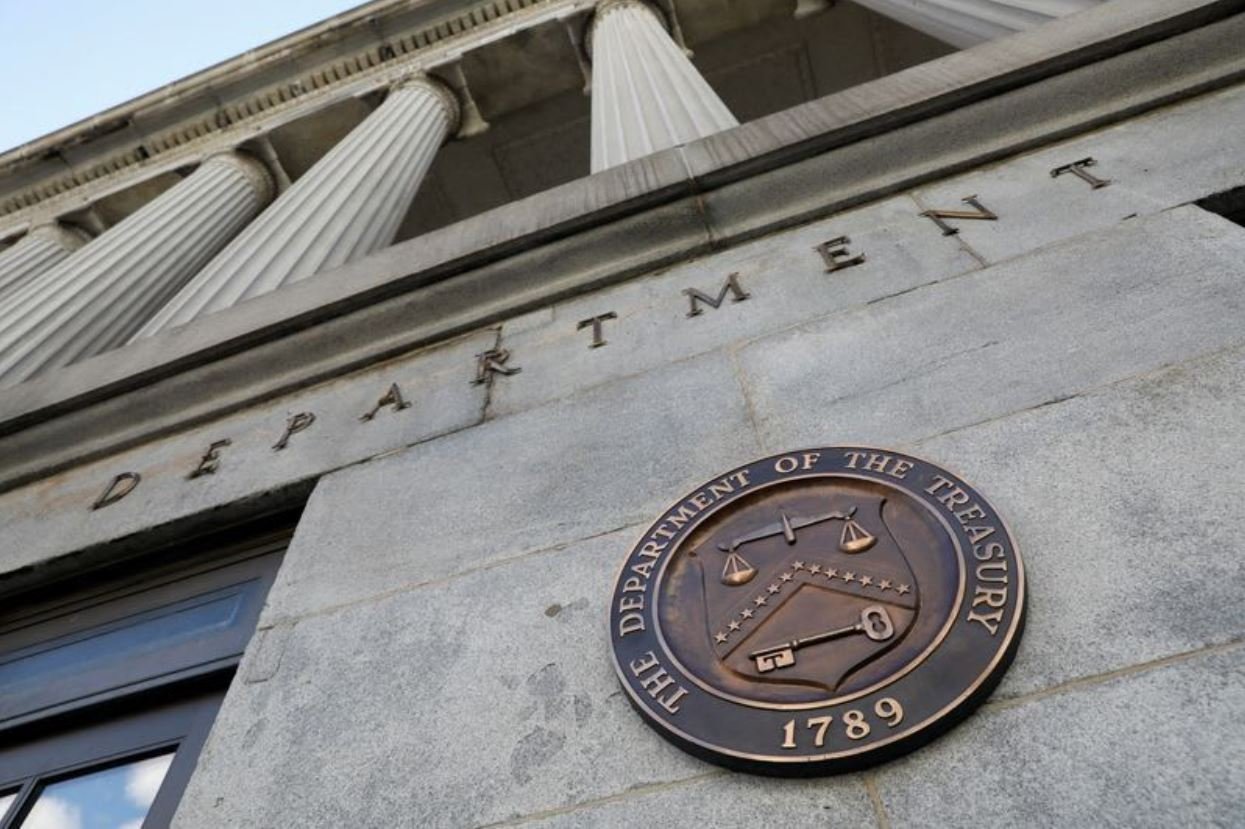
U.S. Treasury yields have surged to historic multi-month highs, crossing critical psychological thresholds as investors digest the compounding impacts of geopolitical conflict, persistent energy inflation, and unresolved transatlantic tariff threats. Bond prices have fallen sharply across maturities, signaling deep structural shifts in global capital flows and placing intense pressure on equity valuations worldwide. For institutional and retail participants alike, this market phase underscores an environment defined by tighter financial conditions, shifting currency dynamics, and heightened policy risk.
Introduction
Global financial markets are confronting a synchronized fixed-income sell-off, pushing long-term U.S. borrowing costs to levels not seen in over a decade. While initial volatility was sparked by friction between the United States and European allies over the sovereignty of Greenland, the market backdrop has grown far more complex. Supply chain blockages in key international transit corridors—notably the Strait of Hormuz—have sent energy prices climbing, reigniting broader fears of systemic stagflation.
This convergence of aggressive geopolitical maneuvering, structural fiscal deficits, and rising inflation expectations means that current market movements extend well beyond a standard bond correction. Instead, they represent a fundamental repricing of global asset values, directly affecting everything from consumer debt servicing to international equity allocations.
Latest Market Dynamics & Strategic Allocations
The current volatility has triggered rapid realignments among major funds and high-net-worth market participants:
- Duration Compression and Cash Reallocation: Institutional asset managers are aggressively shortening portfolio duration and boosting cash reserves to mitigate yield-curve volatility, reflecting a distinctly defensive posture across major funds.
- Capital Rotation to AI and Hardware Anchors: Global equity flows are becoming highly concentrated. Capital is visibly rotating away from broader Western blue-chip indices and into dominant East Asian semiconductor manufacturing hubs, which are increasingly treated as defensive equity proxies due to sustained AI infrastructure demand.
- Defensive Pivot to Real Assets: High-net-worth portfolios are shifting toward physical infrastructure, premium commercial real estate, and tangible commodities as a structural buffer against policy-driven market swings and fiat purchasing power erosion.
Direct Impacts and Catalysts
Why are U.S. Treasury yields testing multi-decade highs?
The upward trajectory in yields is driven by two main factors: persistent inflation expectations and a deteriorating U.S. fiscal outlook. Escalating tensions in the Middle East have pushed Brent crude past the $100-per-barrel mark, directly inflating producer price indices (PPI) and forcing the market to price out expectations of central bank monetary easing.
Simultaneously, the sheer volume of U.S. debt issuance is colliding with a more cautious international investor base. Lenders are demanding higher long-term yields to compensate for both the erosion of purchasing power and the risk of continuous government deficit spending.
How do Greenland-related geopolitical disputes affect trade policies?
The friction surrounding Greenland marked a major turning point where trade tariffs shifted from local industrial protectionism to a general-purpose geopolitical tool. Although direct military rhetoric has cooled, the friction disrupted long-standing diplomatic norms and repeatedly paused key legislative agreements between the U.S. and Europe.
The threat of economic leverage for territorial and strategic goals has introduced structural unpredictability into transatlantic supply chains, forcing multinational corporations to build higher risk premiums into their long-term operational planning.
READ ALSO
Russia Fuel Oil Exports to Asia Drop Sharply as Sanctions Pressure Buyers
Global Energy Trade • Russia Sanctions • Asian Markets
What is the state of the U.S.–EU trade relationship?
The relationship is under a tight timeline. Following intense negotiations, the European Union provisionally agreed to implement its side of a reciprocal trade pact, aiming to scrap import duties on U.S. industrial goods ahead of a strict July 4 deadline.
This move was heavily accelerated by the threat of escalating U.S. auto tariffs to 25%. While the agreement temporarily prevents an all-out trade war, the implementation process remains sensitive, with European lawmakers pushing for robust safeguard and sunset clauses to shield domestic industries from sudden unilateral policy shifts.
Historical Context: Evaluating Market Resiliency
The current macroeconomic landscape differs significantly from earlier trade disputes due to a lack of underlying financial buffers. During previous tariff episodes, global inflation remained subdued and below target, whereas the current environment faces elevated cost-push pressures, with U.S. Core PPI hovering near 6%.
Furthermore, past market shocks occurred during periods of moderate fiscal deficits and accommodative, easing-ready central banks. Today, record-high U.S. debt issuance rates are colliding with a restrictive, “higher-for-longer” monetary stance. Combined with highly fragmented and geopolitically vulnerable supply chains, this leaves modern capital markets far less forgiving to sudden policy disruptions.
Portfolio Management for Private Investors
In a landscape defined by 5%+ long-term risk-free rates and volatile energy prices, a disciplined, multi-step framework is essential:
- Conduct Interest-Rate Sensitivity Audits: Analyze current portfolio exposure to highly leveraged sectors—such as traditional utilities, small-cap equities, and non-prime real estate investment trusts (REITs)—which face immediate headwinds from elevated refinancing costs.
- Optimize Fixed-Income Allocations: Utilize shorter-duration government securities or high-grade corporate debt instruments to capture peak nominal yields while minimizing capital loss risks if benchmark rates continue to drift upward.
- Incorporate Tangible Correlated Hedges: Allocate capital to assets with direct pricing power or intrinsic value, such as broad-based commodity baskets or infrastructure projects with inflation-indexed revenue models.
Key Market Takeaway: When risk-free yields reach multi-decade highs, the valuation models for all risk assets face structural compression. Wealth preservation relies on recognizing that modern trade policies are extensions of broader geopolitical strategy, requiring dynamic asset diversification.
READ ALSO
US Dollar Turns Net Long for First Time as Iran War Fuels Safe-Haven Demand
Currency Markets • Iran Conflict • Safe-Haven Rally
Frequently Asked Questions
How do elevated bond yields influence equity market valuations?
Higher yields increase the equity discount rate used in standard financial models. This directly compresses price-to-earnings (P/E) multiples, particularly for growth-oriented technology sectors whose valuations rely heavily on projected long-term cash flows.
Can the European Union effectively counter unilateral trade measures?
Yes. Through mechanisms like the Anti-Coercion Instrument, the EU can enforce targeted counters, including capital restrictions and public procurement limits. However, because the majority of U.S. debt holdings are managed by private European institutions rather than state entities, direct capital market retaliation remains highly complex.
How do supply-chain disruptions in maritime corridors affect domestic monetary policy?
When key transit points like the Strait of Hormuz experience prolonged friction, shipping rates and energy costs rise sharply. This creates cost-push inflation that limits a central bank’s ability to lower interest rates, even if broader economic growth begins to slow.
Summary
The structural rise in global bond yields serves as a clear reminder that modern capital markets are deeply intertwined with international geopolitics. From transatlantic trade deadlines to energy corridor security, economic stability is heavily affected by political decisions. While tighter financial conditions pose clear valuation challenges for traditional equity portfolios, they also offer the highest nominal fixed-income returns seen in a generation. For long-term investors, navigating this terrain successfully requires strict risk discipline, reduced reliance on leverage, and a clear understanding of the underlying forces driving global inflation.