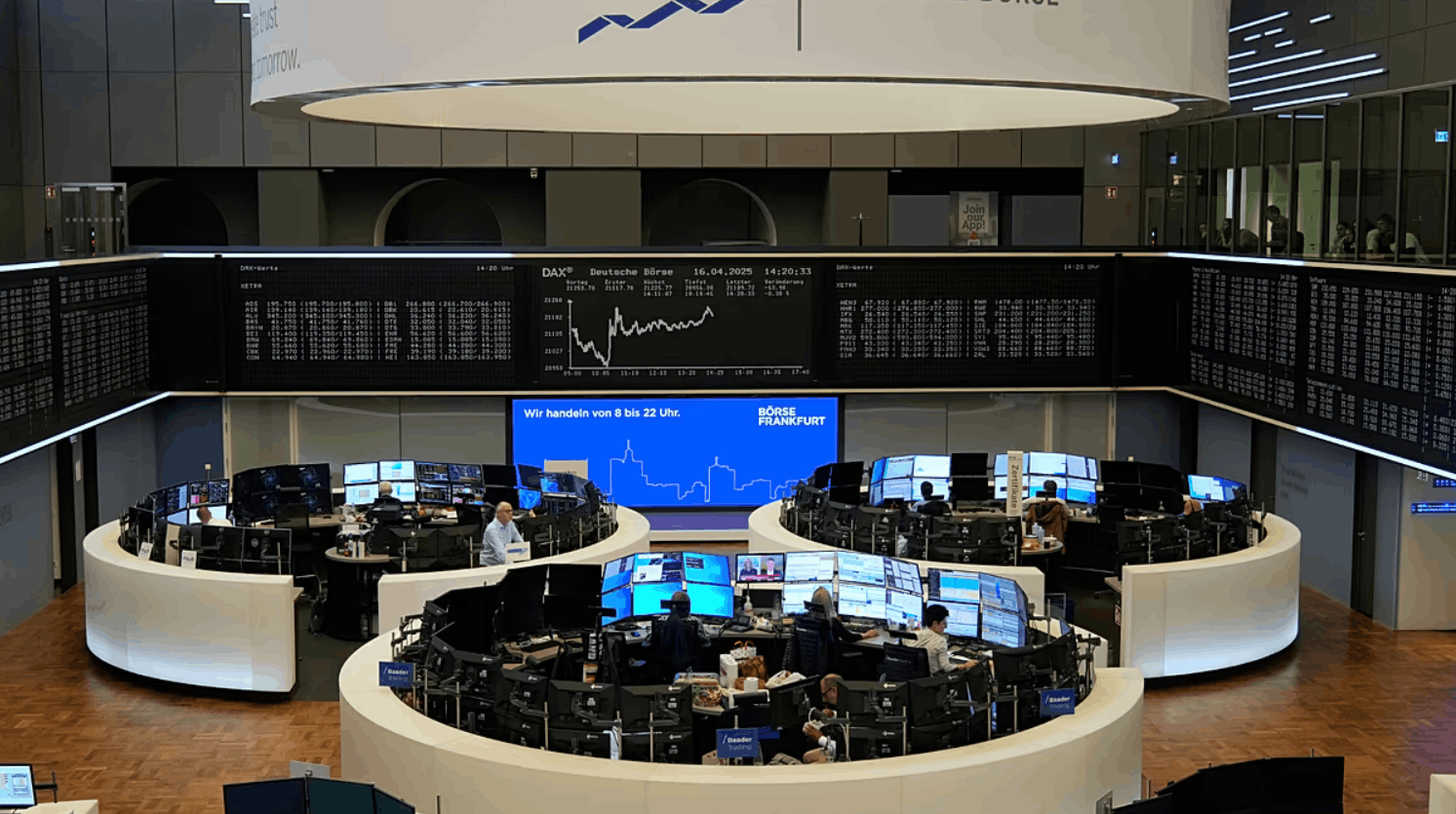
Global investors reached extreme bullish positioning just as geopolitical risk resurfaced through new Greenland-related tariff threats. Fund managers reduced cash to historic lows and cut downside protection, leaving portfolios exposed when markets pulled back. The sudden shock highlighted how crowded optimism can amplify volatility. For investors, the message is clear. When confidence peaks, risk management matters more than returns.
Introduction
Investor sentiment is often a contrarian signal, and the latest Bank of America survey reinforces that lesson. Just as fund managers displayed their highest confidence since 2021, markets were hit by renewed geopolitical tension tied to tariffs and Greenland. Equity allocations surged, cash levels collapsed, and protection against corrections almost vanished. This article explains why peak bullishness can be dangerous, how geopolitical shocks disrupt markets, and what this shift means for investors, asset allocators, and long term wealth planning. The goal is to help readers understand risk before volatility forces hard decisions.
Latest Update
- High net worth investors are increasing allocations to commercial property and land assets as a hedge against geopolitical volatility. Advisors report stronger demand for income generating real estate tied to logistics and data infrastructure.
- Luxury home purchases in politically stable regions have accelerated as investors seek lifestyle security alongside capital preservation. This shift reflects growing concern over cross border policy uncertainty.
- Family offices are rebalancing decor and design budgets toward sustainable materials and energy efficient upgrades. These changes align with long term value protection amid rising global instability.
- Public appearances by major fund managers emphasize diversification into real assets, gold, and infrastructure. The messaging highlights caution after months of aggressive equity exposure.
Why did investors reach peak bullishness before the market pullback?
Investors became extremely bullish due to strong equity performance, resilient economic data, and declining recession fears. These factors encouraged aggressive risk taking and reduced cash holdings. The result was crowded positioning that left little margin for error when geopolitical news broke.
Bank of America’s Bull and Bear Indicator climbed to 9.4, a level historically associated with overstretched optimism. Fund managers believed growth would remain strong without triggering inflation or recession. This so called no landing scenario fueled equity buying.
Cash levels fell to 3.2 percent, the lowest on record. When investors hold minimal cash, they lack flexibility during sudden shocks. At the same time, protection against equity corrections dropped to the weakest level since 2018.
History shows that extreme optimism often appears near market turning points. When everyone is positioned the same way, even small negative surprises can cause outsized reactions.
Read Also: Seven Top Indian CEOs to Meet Donald Trump at Davos Reception
What does the Bull and Bear Indicator reveal about market risk?
The Bull and Bear Indicator measures investor positioning across equities, bonds, cash, and sentiment. Readings above 9 suggest excessive optimism and higher downside risk. At these levels, future returns tend to flatten or turn negative.
According to Bank of America strategist Michael Hartnett, past instances of readings above 9.3 produced weak three-month returns. Global equities often stalled, while the S and P 500 frequently declined.
| Indicator Level | Market Sentiment | Typical Outcome |
| Below 4 | Fear and caution | Higher future returns |
| 5 to 7 | Balanced optimism | Stable performance |
| Above 9 | Extreme bullishness | Flat or negative returns |
This data highlights why sentiment indicators matter. They do not predict exact timing, but they warn when risk is rising faster than reward.
How did the Greenland tariff threat disrupt global markets?
The tariff threat tied to Greenland reignited fears of trade conflict and policy unpredictability. Markets reacted swiftly as investors reassessed geopolitical risk. Stock futures declined as uncertainty replaced confidence.
The announcement targeted multiple European countries with escalating tariffs if demands were not met. This move revived memories of previous trade tensions that disrupted supply chains and growth expectations.
Asian trading saw immediate declines in major indices. European equities faced downgrades as strategists questioned near term stability. The reaction was less about tariffs themselves and more about unpredictability.
Markets dislike surprises. When policy appears transactional and volatile, risk premiums rise across assets.
Read Also: UK Invests £25M in Kraken Technologies to Keep Landmark IPO in London
Why are geopolitical risks now seen as a bigger threat than an AI bubble?
Fund managers now view geopolitical risk as more immediate and disruptive than concerns over an AI valuation bubble. Political actions can alter trade, capital flows, and regulation overnight.
AI-related stocks have driven recent gains, but many investors believe productivity benefits will justify valuations over time. Geopolitical shocks, however, offer no such offset.
The survey showed geopolitical issues overtaking AI as the top risk. This shift explains why gold became the most popular long trade.
Gold historically performs well during political uncertainty. Its rise reflects defensive positioning after months of aggressive equity exposure.
What does low cash positioning mean for retail investors?
Low cash positioning increases vulnerability to volatility. Retail investors may face forced selling or emotional decisions during sudden market drops.
When institutions hold minimal cash, liquidity can vanish quickly during selloffs. Prices move faster, and recoveries take longer.
Retail investors should focus on maintaining adequate emergency funds and diversified portfolios. Chasing returns during peak optimism often leads to poor timing.
A balanced approach allows investors to buy quality assets during corrections rather than reacting under pressure.
How are European markets uniquely exposed to this uncertainty?
European markets face a higher risk due to direct exposure to tariffs and trade negotiations. Policy uncertainty undermines corporate planning and investor confidence.
Citi downgraded European equities, citing unpredictability as a key concern. Companies reliant on exports face margin pressure and delayed investment decisions.
Emergency meetings among European leaders highlight the seriousness of the threat. Political responses may shape market direction more than earnings in the near term.
For investors, regional diversification becomes critical during such periods.
Read Also: IMF Raises US Growth Forecast to 2.4% as AI Investment Hits Record Levels
How does extreme optimism compare with previous market cycles?
Extreme optimism today mirrors periods before past corrections. Similar patterns appeared in 2018 and 2021 when confidence peaked before volatility surged.
| Period | Sentiment Level | Market Outcome |
| Early 2018 | Very high | Sharp correction |
| Mid 2021 | Extreme | Extended volatility |
| Current phase | Hyper bullish | Rising risk |
These comparisons show that sentiment extremes often precede adjustment phases rather than sustained rallies.
What strategies can investors adopt during peak bullish phases?
During peak bullish phases, investors should prioritize risk management over aggressive returns. Gradual rebalancing and diversification reduce downside exposure.
- Increase allocation to defensive assets such as gold and high quality bonds
- Maintain sufficient cash for flexibility
- Avoid leverage during uncertain periods
- Focus on assets with strong cash flows
These steps help preserve capital and provide opportunities when valuations reset.
Key Takeaways
- Extreme bullishness often signals rising risk rather than opportunity
- Geopolitical shocks can reverse sentiment quickly
- Low cash levels amplify volatility
- Diversification and discipline matter most during confidence peaks
Frequently Asked Questions
What is the Bull and Bear Indicator?
It is a Bank of America measure of investor positioning and sentiment across major asset classes.
Why is extreme bullishness risky?
It signals crowded trades and limited protection against negative surprises.
How do tariffs affect stock markets?
They increase uncertainty, disrupt trade, and raise costs for companies.
Why are investors buying gold now?
Gold acts as a hedge against geopolitical and market risk.
Should retail investors reduce equity exposure?
They should reassess risk tolerance and maintain diversification.
What does low cash allocation indicate?
It shows high confidence but limits flexibility during downturns.
Are European stocks more vulnerable?
Yes, due to direct exposure to tariff-related uncertainty.
How can investors protect portfolios?
By balancing assets, holding cash, and avoiding excessive leverage.
Conclusion
Peak bullishness often feels comfortable until it is not. The latest surge in investor confidence collided with geopolitical reality, reminding markets that optimism does not eliminate risk. The Greenland tariff threat exposed how fragile sentiment can be when positioning is extreme. For investors, the lesson is timeless. Discipline, diversification, and patience matter most when confidence is highest. By respecting risk during bullish phases, investors can protect capital and position themselves for long-term success.