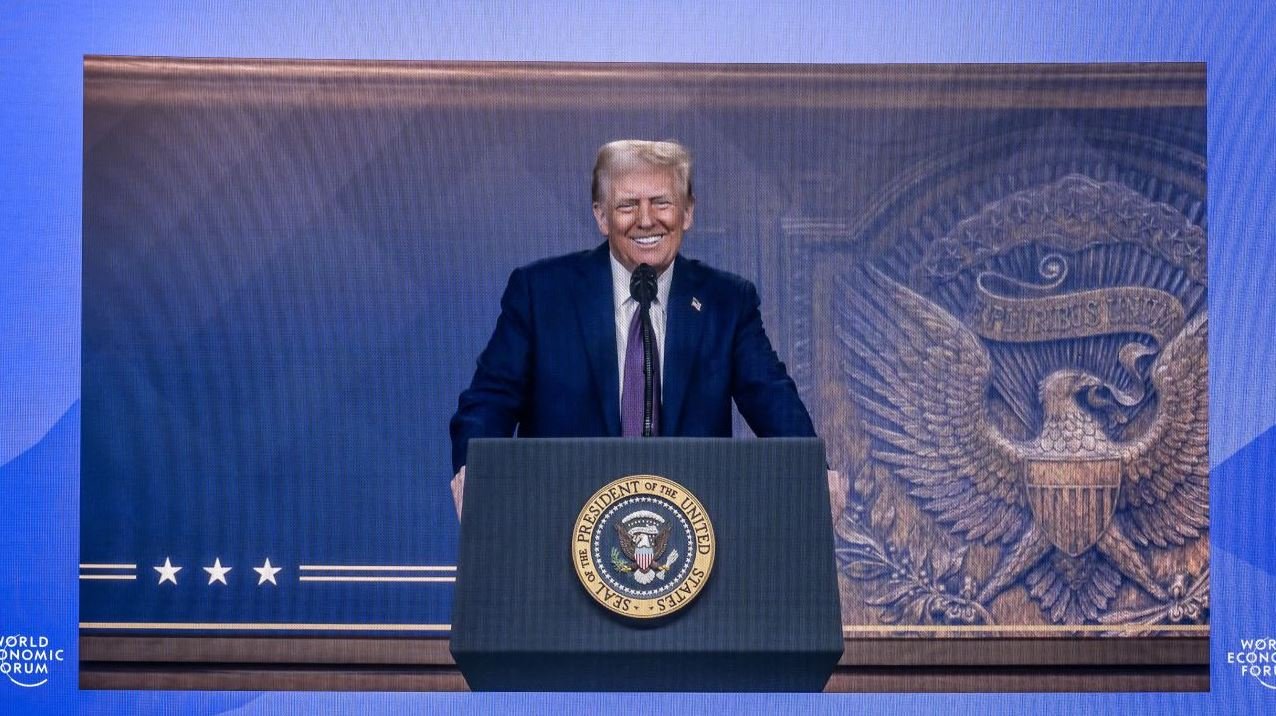
Indian export oriented stocks jumped sharply after US President Donald Trump signaled positive progress on a trade deal with India, easing fears triggered by steep American tariffs. Companies with heavy exposure to the US market, especially shrimp and textile exporters, led the rally. Investors reacted to expectations of tariff relief under the proposed India US Bilateral Trade Agreement. The optimism revived sentiment across sectors that derive over half of their revenue from American buyers.
Indian markets witnessed renewed confidence as export focused companies staged a strong comeback following encouraging signals from Washington. Trump’s remarks on improving trade ties with India sparked expectations of reduced tariffs and stronger bilateral commerce. This shift in tone comes at a critical time for exporters facing margin pressure and weak earnings. The rally reflects investor belief that trade negotiations are approaching a decisive phase.
Latest Update
- Export driven stocks recorded strong buying interest as global investors reacted to positive signals on India US trade discussions. Market participants expect easing of tariff pressure to revive earnings visibility.
- Shrimp and textile exporters saw higher trading volumes as confidence returned to sectors deeply dependent on American demand. Analysts noted renewed institutional inflows in these counters.
- Government officials reiterated that trade negotiations are progressing steadily, improving sentiment across manufacturing and export oriented industries.
Why did Indian export stocks rally after Trump’s statement?
Indian export stocks rallied because Trump’s comments signaled a possible rollback or easing of punitive US tariffs that had hurt earnings. Investors interpreted the statement as a strong political signal supporting trade normalization. Companies with large revenue exposure to the US market reacted immediately. The rally reflects expectations of improved margins and order flows.
Trump’s remarks highlighted his personal rapport with India’s leadership and his confidence in reaching a favorable agreement. For markets, political intent matters as much as policy announcements. Exporters had been under pressure since the imposition of 50 percent tariffs, which sharply reduced competitiveness. The possibility of tariff relief improves pricing power and restores confidence among overseas buyers.
Stocks that had corrected heavily saw short covering and fresh buying. The rally was not speculative alone but supported by fundamental expectations of revenue recovery. Investors also priced in reduced geopolitical risk for India US trade relations. This explains why gains were broad based across shrimp, textile, and home furnishing exporters.
Read Also: Global Investors Shift Away from US Tech Giants as International Markets Gain Favor
Which export sectors benefited the most from the rally?
Shrimp exporters and textile manufacturers benefited the most from the rally due to their high dependence on the US market. These sectors derive between 50 percent and 70 percent of revenue from American buyers. Any change in tariff policy directly impacts their profitability. As a result, these stocks saw sharp price movements.
Avanti Feeds surged nearly 8 percent as over 65 percent of its sales come from North America. Apex Frozen Foods also rose strongly due to its heavy reliance on US exports. Textile exporters like Gokaldas Exports, Raymond Lifestyle, Pearl Global Industries, and Welspun Living gained as investors anticipated order normalization.
These sectors had experienced earnings compression due to elevated tariffs. Reduced access costs can immediately revive demand from US retailers. The market reaction reflects confidence that trade relief will translate into better quarterly numbers.
Export stock performance snapshot
| Company | Sector | US Revenue Share | Stock Movement |
|---|---|---|---|
| Avanti Feeds | Shrimp Feed | 65.4 percent | Up nearly 8 percent |
| Apex Frozen Foods | Seafood Export | 53 percent | Up over 5 percent |
| Gokaldas Exports | Textiles | Over 50 percent | Up around 6 percent |
| Welspun Living | Home Textiles | Close to 70 percent | Up around 8 percent |
How have US tariffs impacted Indian exporters so far?
US tariffs significantly hurt Indian exporters by raising costs and reducing competitiveness. Many companies saw sharp declines in profit margins and order volumes. The impact was most severe for firms heavily dependent on the American market. Earnings volatility increased across export oriented sectors.
The 50 percent tariff imposed earlier led to immediate pricing disadvantages for Indian goods. Buyers in the US shifted to alternative suppliers or renegotiated contracts. Companies like Welspun Living reported a 93 percent decline in net profit in one quarter, directly attributing it to tariff pressure.
Exporters were forced to absorb costs or offer discounts to retain clients. This affected cash flows and expansion plans. The situation also increased calls for government support through fiscal or policy measures.
Read Also: UK Invests £25M in Kraken Technologies to Keep Landmark IPO in London
Before and after tariff impact comparison
| Metric | Before Tariffs | After Tariffs |
|---|---|---|
| Export Pricing Power | Stable | Severely Reduced |
| Profit Margins | Healthy | Compressed |
| US Order Volumes | Consistent | Declining |
What is the India US Bilateral Trade Agreement and why does it matter?
The India US Bilateral Trade Agreement aims to reduce tariffs and expand two way trade. It targets increasing bilateral trade value to $500 billion. For exporters, it promises stable market access and predictable policy. The agreement is crucial for long term growth.
The agreement was proposed to formalize trade cooperation and reduce friction. Negotiations have covered goods, services, and tariff structures. An interim arrangement is also under discussion to provide near term relief.
For Indian exporters, the agreement offers certainty and improved global competitiveness. For investors, it reduces policy risk and enhances valuation comfort. The market rally reflects confidence that negotiations are nearing completion.
How does this trade optimism affect Indian equity markets overall?
Trade optimism improves overall market sentiment by reducing uncertainty. Export heavy indices tend to outperform during such periods. Foreign investor confidence also improves. This can support broader market stability.
Positive trade signals strengthen the outlook for manufacturing, employment, and forex inflows. Export growth supports the rupee and improves macro indicators. As a result, equity markets benefit beyond just export stocks.
Investors often view trade agreements as structural positives rather than short term triggers. This explains sustained interest rather than a one day rally.
Read Also: IMF Raises US Growth Forecast to 2.4% as AI Investment Hits Record Levels
What should investors watch next in export oriented stocks?
Investors should monitor official announcements on tariff reductions and interim trade arrangements. Quarterly earnings commentary will also be crucial. US demand trends and currency movement remain key variables. Policy clarity will drive valuations.
Stocks may remain volatile until concrete agreements are signed. However, long term investors may find value in fundamentally strong exporters. Risk management remains essential given global uncertainties.
Key Takeaways
- Indian export stocks surged on optimism around India US trade deal progress.
- Shrimp and textile exporters led gains due to high US revenue exposure.
- Tariff relief expectations revived investor confidence.
- The Bilateral Trade Agreement could reshape long term export growth.
Frequently Asked Questions
Why did Trump’s statement impact Indian markets?
It signaled potential tariff relief, improving earnings outlook for export oriented companies.
Which stocks gained the most?
Shrimp exporters like Avanti Feeds and textile firms such as Gokaldas Exports and Welspun Living.
What caused the earlier decline in export stocks?
High US tariffs reduced competitiveness and profit margins.
What is Mission 500?
It is a target to increase India US trade value to $500 billion.
Are tariffs confirmed to be removed?
No, but negotiations indicate possible easing.
Is this rally sustainable?
Sustainability depends on policy announcements and earnings recovery.
Which sectors are most sensitive to US trade policy?
Textiles, seafood, and home furnishing exporters.
Should retail investors invest now?
Investors should assess risk tolerance and focus on strong balance sheets.
Conclusion
The surge in Indian export stocks reflects renewed optimism around India US trade relations. Trump’s supportive comments eased fears created by earlier tariff measures and restored confidence among investors. While challenges remain until formal agreements are signed, the direction of negotiations appears encouraging. Export oriented sectors stand to benefit significantly from any tariff relief, improving profitability and growth prospects. For markets, this development highlights how global diplomacy continues to shape investment outcomes and sector leadership in Indian equities.