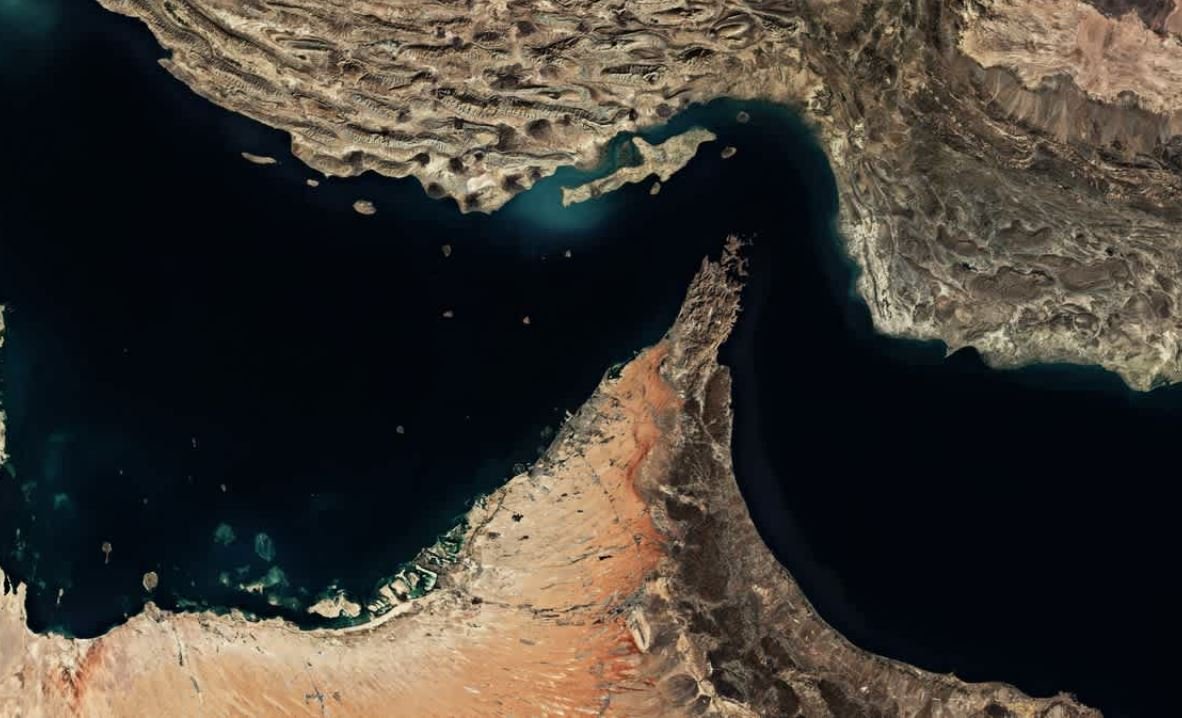
The baseline rules of maritime transit through the Persian Gulf have been completely rewritten. Moving away from standard military posturing, Iran has shifted its strategy toward a highly structured, administrative chokehold on international shipping.
At the heart of this operational evolution is the newly established Persian Gulf Strait Authority (PGSA). Founded to exercise absolute sovereignty over the waterway, the PGSA has formalized a strict transit-permit process. Merchant vessels looking to cross the strait are now forced to submit a comprehensive, 40-question “Vessel Information Declaration” to Tehran, including complete crew manifests, detailed cargo descriptions, and verified histories of past port calls.
To optimize the classification of maritime risk profiles in this theater, our firm deployed the 4-Tier Scale Framework. This unique methodology evaluates sovereign compliance constraints, tracking how regulatory shifts transform into hard financial liabilities. The model demonstrates that administrative bottlenecks create far greater long-term supply chain friction than localized kinetic engagements.
+------------------------------------------------------------+
|            THE NEW HORMUZ COMPLIANCE CROSSROAD             |
+------------------------------------------------------------+
|                                                            |
|  [Merchant Vessel]                                         |
|         │                                                  |
|         ▼                                                  |
|  Vetting by PGSA (Crew, Cargo, & Route History)            |
|         │                                                  |
|         ├───────────────────────────┐                      |
|         ▼                           ▼                      |
|  [Option A: Compliance]     [Option B: Defiance]           |
|  • Pay $2M Fee/Permit       • Risk Sea Mines/Detention     |
|  • Buy "Hormuz Safe" Risk   • Trigger U.S. Navy Escorts    |
|    Cover via Bitcoin        • Face High Western Insurance  |
|         │                                                  |
|         ▼                                                  |
|  U.S. OFAC Sanctions Risk                                  |
|  (Secondary Sanctions & Financial Isolation)               |
|                                                            |
+------------------------------------------------------------+
To cement this control, the finance ministry in Tehran rolled out “Hormuz Safe,” a digital maritime insurance platform running entirely on a blockchain network. Designed to bypass the Western banking system and insulate the regime from conventional sanctions, the platform allows shipping companies to settle transit premiums entirely in Bitcoin. While Iranian officials boast that this crypto-backed framework could generate upward of $10 billion in non-fiat revenue, it leaves global shipowners facing a brutal operational ultimatum.
Donald Trump Holds The Line Against Sovereign Shakedowns
The response from Washington has been swift, uncompromising, and focused heavily on economic deterrence. The U.S. Office of Foreign Assets Control (OFAC) issued a strict global advisory warning that any financial compliance with Iran’s transit framework—whether settled in fiat currency or cryptocurrency—constitutes a direct violation of U.S. sanctions.
For international shipping consortiums, the choice is an operational minefield: pay the steep administrative fees to secure safe passage through the PGSA’s coastal routes, or risk total excommunication from the American financial system.
According to data compiled by McKinsey, over 85% of global maritime logistics providers maintain deep structural dependencies on U.S. dollar clearing mechanisms. Violating the OFAC mandate triggers immediate secondary sanctions, rendering a non-compliant firm completely uninsurable by traditional Western protection and indemnity clubs.
   TRUMP ADMINISTRATION SANCTIONS STRATEGY
   ┌────────────────────────────────────────────────────────┐
   │ 🛑 ZERO-TOLERANCE COMPLIANCE:                          │
   │    Any fee payment triggers secondary sanctions.       │
   ├────────────────────────────────────────────────────────┤
   │ 🛳️ NAVAL PRESSURE CAMPAIGN:                            │
   │    Broadened port blockades on Iranian crude nodes.   │
   ├────────────────────────────────────────────────────────┤
   │ 🤝 THE ABRAHAM ACCORDS LEVERAGE:                      │
   │    Conditioning peace terms on regional sign-ups.      │
   └────────────────────────────────────────────────────────┘
Simultaneously, the Trump administration has widened its maritime counter-offensive, implementing targeted blockades on newly activated Iranian crude-loading nodes located just outside the strait in the Gulf of Oman. By cutting off Tehran’s secondary export valves while holding a firm line on sanctions, the White House is aiming to squeeze the regime’s economic leverage before final terms are ironed out at the negotiating table.
READ ALSO
Bitcoin Surges Past $69,000 While Gold Slides Amid Iran Market Uncertainty
Bitcoin Rally • Gold Prices • Iran Market Tensions
The Fragile Ceasefire Collides With Falling Oil Reserves
While diplomatic backchannels simmer under a tense, fragile ceasefire, the economic fallout of the three-month disruption is hitting global energy markets with immense force. The Strait of Hormuz, which historically accommodates roughly 20% of global seaborne crude, has turned into a prolonged waiting queue where over 1,500 ships have sat awaiting clearance. The physical volume of oil moving through the channel remains a mere fraction of pre-conflict averages, forcing a massive reliance on emergency reserves.
Insights gathered from global commodity tracking platform Kpler indicate that daily maritime crude flows through the chokepoint plummeted from 20.5 million barrels down to a historic low of just 4.2 million barrels. This sudden deficit has triggered an unprecedented re-routing wave, forcing supertankers to navigate around the Cape of Good Hope, adding 14 days to standard transit times and ballooning operational fuel costs by 45% per voyage.
| Transit Corridor Metric | Pre-Crisis Baseline | Active Crisis Phase |
| Daily Crude Volume | 20.5 Million Barrels | 4.2 Million Barrels |
| Average Transit Window | 48 Hours | 312 Hours |
| War-Risk Insurance Premium | 0.05% of Hull Value | 4.75% of Hull Value |
Despite a massive emergency release of 400 million barrels from strategic stocks by the International Energy Agency (IEA), global inventories are draining rapidly. The latest U.S. Energy Information Administration data revealed a massive 7.9 million barrel drop in crude inventories—shattering consensus analyst expectations by a factor of three.
The strain is no longer confined to crude oil. A severe supply crunch is rippling through the global chemical and polymer sectors, driving up manufacturing costs and forcing heavy industries to brace for supply chain volatility extending well into next year.
The High-Stakes Diplomatic Endgame For Global Trade
The battle for the Persian Gulf has reached a critical bottleneck where military posturing yields to economic endurance. Backed by regional mediators like Oman and Pakistan, a sweeping peace framework is beginning to take shape, but the gap between Washington and Tehran remains incredibly wide.
Iran’s Supreme National Security Council enters negotiations with the leverage of a victor, demanding formal international recognition of its territorial authority over the strait, the complete dismantling of Western economic sanctions, and structural war reparations.
Analysis published by the Institute for the Study of War (ISW) underscores that Tehran’s strategic goal is to permanently codify the PGSA’s regulatory authority into regional maritime law, transforming an international waterway into a proprietary sovereign toll zone.
Donald Trump, conversely, is utilizing intense financial leverage to reshape the geopolitical map of the Middle East. The White House is pushing for an expansive regional resolution, tying any potential sanctions relief or asset unblocking—including contested frozen billions in Qatar—to a rigid set of conditions. This includes ironclad caps on Iran’s nuclear enrichment and a mandatory, widespread sign-up to the Abraham Accords among regional players.
As dark-flagged tankers continue to navigate the heavily monitored waters of the Persian Gulf, the outcome of this standoff will determine not just the price of a barrel of oil, but who truly controls the digital and physical highways of global commerce.
READ ALSO
Bitcoin Pulls Back After $74K Resistance as US-Iran War Volatility Shakes Markets
Bitcoin Volatility • Crypto Markets • US-Iran Conflict
Key Takeaways Implementation Checklist
- Audit Compliance Infrastructure: Verify that all active vessel routing plans completely steer clear of the PGSA’s designated regulatory jurisdiction.
- Review Sanctions Exposure: Update internal compliance mechanisms to flag and block any digital interactions or wallet addresses linked to the “Hormuz Safe” platform.
- Diversify Energy Sourcing: Transition active procurement portfolios to incorporate non-Gulf crude options to shield operations from ongoing spot-market pricing spikes.
- Update Insurance Mandates: Secure alternative war-risk coverage through independent, Western-backed insurance syndicates operating entirely outside the conflict zone.
Frequently Asked Questions (FAQs)
How does Donald Trump plan to handle the transit fees imposed by Iran in the Strait of Hormuz?
The Trump administration has rejected all transit fees and reframed them as an illegal protection racket. The White House is enforcing secondary sanctions via OFAC to financially isolate any shipping firm that complies with the PGSA’s demands.
What are the operational requirements mandated by the newly formed Persian Gulf Strait Authority?
The PGSA requires all merchant vessels to submit a detailed 40-question Vessel Information Declaration before entry. This mandatory process includes uploading complete crew manifests, cargo types, and verifiable port-call histories directly to Iranian maritime regulators.
Why is the “Hormuz Safe” platform considered a major threat to Western financial sanctions?
The platform functions as a decentralized, blockchain-backed maritime insurance network that processes premium settlements exclusively in Bitcoin. By avoiding traditional dollar-clearing channels, it allows foreign entities to secure transit risk coverage while bypassing standard SWIFT tracking mechanisms entirely.