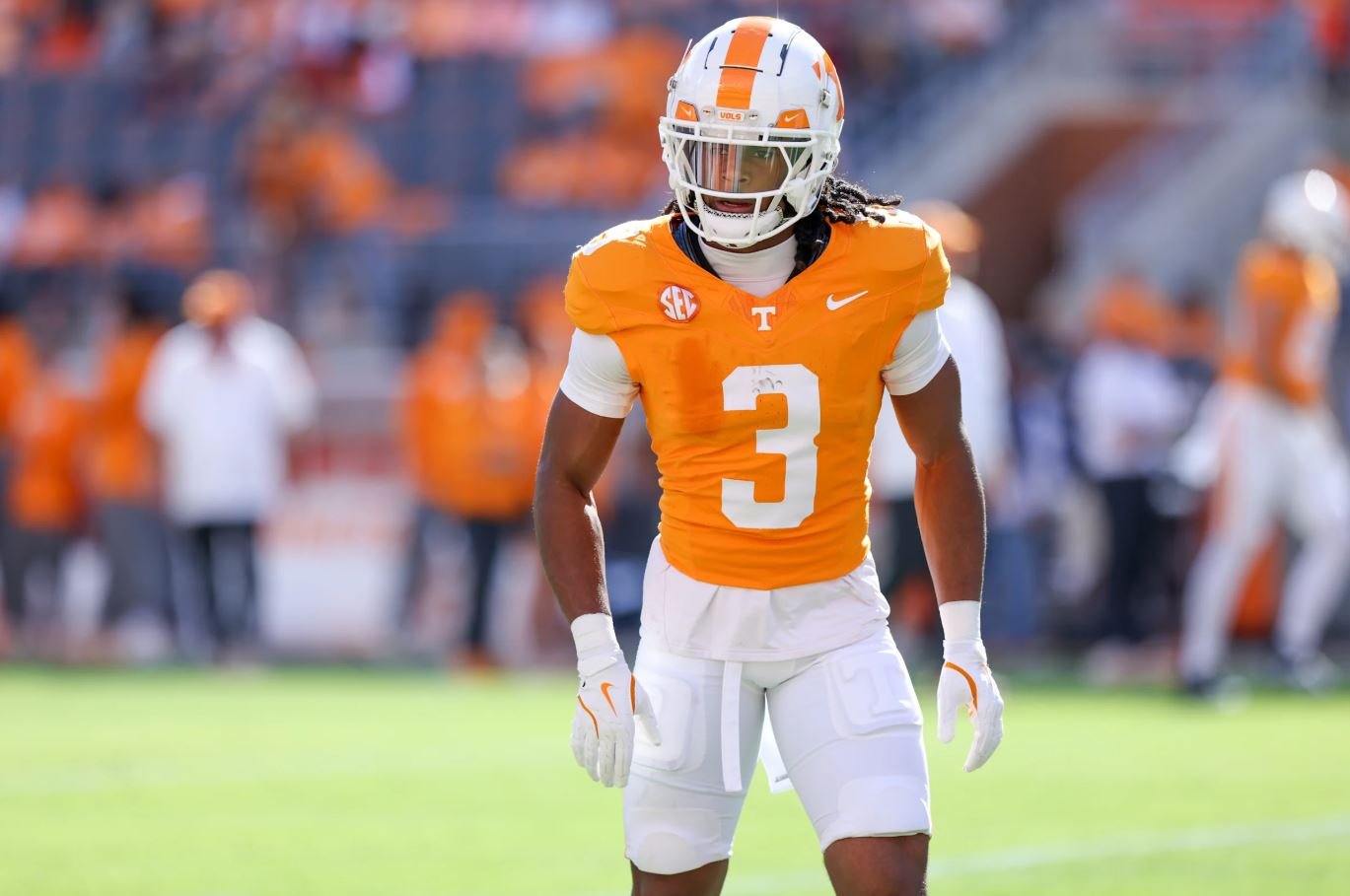
The Baltimore Ravens 2026 draft strategy centers on injecting high-end Relative Athletic Scores (RAS) into the roster to maintain their defensive dominance and offensive efficiency. By prioritizing versatile secondary players like Jermod McCoy and explosive edge rushers such as Malachi Lawrence, the team aims to bolster its pass defense while securing a long-term anchor at center with Logan Jones. This draft class emphasizes youth, high RAS testing, and developmental traits that align with the organization’s historical preference for “playing like a Raven” through physical, high-motor play styles.
Latest Update
- League sources indicate that several teams have flagged top cornerback prospects for medical concerns, potentially shifting the landscape of the first round for secondary-needy rosters.
- Defensive scouts are reporting a significant rise in pass rush win rates among developmental edge defenders, leading to a projected run on athletic specimens during the middle rounds.
- Front office analysts have noted a trend toward prioritizing high Relative Athletic Scores for interior offensive linemen to better combat increasingly mobile defensive fronts.
- Developmental tight ends with elite blocking grades are gaining traction as high-value Day 3 targets for teams looking to bolster their heavy personnel packages and special teams units.
Which Defensive Stars Headline the Early Rounds?
The selection of a premier cornerback in the first round addresses a critical need for a team that thrives on aggressive, man-heavy defensive schemes. A prospect with nearly twenty passes defended and high interception totals offers the ball-hawking skills necessary to thrive in a competitive division. Despite potential medical concerns regarding knee longevity, an elite athlete who boasts a high recovery rate from past injuries fits the mold of a high-risk, high-reward starter who can lock down the perimeter.
In the second round, the focus shifts toward the edge of the defensive line to complement existing veterans. A pass rusher with a near-perfect athletic score provides the explosive get-off required to disrupt modern passing attacks. While some younger prospects may need to gain weight to hold up against massive offensive tackles, their ability to use length and speed allows them to impact the game immediately as situational pass rushers. This strategy ensures the defensive rotation remains fresh and dangerous throughout the fourth quarter of games.
The third round brings interior disruption into play with a high-energy defensive tackle. Power and gap-shooting ability are the primary traits sought after in this slot, providing a versatile 3-tech player who can burrow into the pocket. By focusing on players with powerful hands and relentless motors, the defense can maintain pressure from the inside out, forcing opposing quarterbacks into hurried throws and poor decisions.
How Does the Offensive Line and Tight End Room Evolve?
Finding a reliable center is paramount for any team with an elite mobile quarterback, and waiting until the fourth round requires a deep board of experienced starters. An athletic center who mirrors the play style of current league standouts offers a seamless transition in terms of pre-snap communication and leverage. Blocking in space and moving to the second level are essential skills for a zone-heavy or pull-heavy rushing attack, making an undersized but twitchy lineman an ideal fit for the scheme.
The tight end position sees a boost in the fifth round with a focus on inline blocking and developmental receiving traits. A taller target with long arms provides a friendly window for the quarterback, even if the college production was limited. These players often serve as “unseen” heroes on special teams and in the run game before evolving into reliable second-string options. The emphasis here is on reliable hands and the ability to win in short-area situations through pure effort and power.
Drafting for the offensive trenches involves a mix of pro-ready technique and raw physical upside. By selecting a center with high shuttle scores and experience as a pre-snap partner, the offense secures the pivot point of the line. This ensures that the run game remains potent and the quarterback stays protected during long-developing pass plays.
What Late-Round Gems Add Depth to the Secondary and Linebacker Corps?
Day 3 of the draft is where special teams contributors and developmental projects are found to fill out the bottom of the roster. A versatile safety with high turnover production brings the necessary instincts to play deep or trigger downhill against the run. Converted corners with the ability to flip into the slot offer the defensive coordinator the flexibility to match up against various personnel groupings without changing the personnel on the field.
The linebacker position also receives an injection of speed and violence late in the draft. An explosive tackler with sideline-to-sideline range provides immediate value on coverage units while they learn the nuances of NFL processing. Linebacker development is famously unpredictable, but betting on elite athleticism late in the fifth round is a statistically sound way to find a future starter or a long-term special teams captain.
Finally, adding a power-oriented edge rusher helps round out the defensive front. Unlike the speed rushers taken earlier, a heavier defender can drop the anchor and set a hard edge against the run. This versatility allows the coaching staff to mix and match defensive looks based on the opponent’s strengths, ensuring the unit is never one-dimensional in its approach to stopping the ball.
Draft Class Comparison and Athletic Profile
The 2026 class is defined by its extreme athleticism across both sides of the ball. The table below compares the athletic testing and collegiate impact of the primary selections to illustrate the team’s commitment to physical traits.
Prospect Physicality and Impact Table
| Round | Position | Primary Trait | RAS Score | Collegiate Production |
| 1 | Cornerback | Ball Skills | 9.67 | 6 Interceptions |
| 2 | Edge | Explosiveness | 9.95 | 19.5 Sacks |
| 3 | Defensive Tackle | Gap Penetration | 8.44 | 8.5 Sacks |
| 4 | Center | Lateral Agility | 9.63 | 3-Year Starter |
| 5 | Tight End | Inline Blocking | 8.90 | Special Teams Utility |
| 5 | Linebacker | Sideline Speed | 9.23 | High Tackle Volume |
Draft Strategy Comparison: Speed vs. Power
| Strategy Element | Athletic Archetype | Power Archetype |
| Pass Rush | Speed to Power Conversion | Bull Rush / Stunting |
| Run Support | Range and Pursuit | Stacking and Shedding |
| Coverage | Sticky Man-to-Man | Physical Press / Zone |
| Offensive Line | Reach Blocking / Pulling | Drive Blocking / Anchoring |
Key Takeaways for the 2026 Roster
- High Athletic Floor: Every premium pick boasts a Relative Athletic Score (RAS) above 8.40, ensuring the roster remains fast and explosive.
- Cornerback Stability: Addressing the secondary early provides a surefire starter to combat elite AFC North wide receivers.
- Center Continuity: Logan Jones offers a direct stylistic replacement for top-tier athletic centers, maintaining the rhythm of the offense.
- Special Teams Boost: Late-round safety and linebacker picks focus on high-motor tacklers who can impact the game on kicking units immediately.
- Edge Diversity: The combination of speed-based and power-based rushers creates a balanced room for various defensive packages.
Frequently Asked Questions
Why did the team prioritize a cornerback in the first round?
The defensive scheme relies on corners who can win in isolated situations. A player with high pass-defended totals and elite recovery speed ensures that the secondary can withstand deep vertical threats while allowing the front seven to remain aggressive in their blitz packages.
What makes Logan Jones a good fit for the offensive line?
He possesses elite lateral agility and experience in a pro-style system. His ability to move in space and use leverage against bigger defenders makes him a stylistic match for the mobile offensive identity the team has established over the years.
How does Malachi Lawrence impact the pass rush rotation?
He brings a rare 9.95 RAS score, meaning he is in the top percentile of athletes at his position. His explosive get-off forces offensive tackles to retreat quickly, opening up counter moves and creating pressure even when he doesn’t record a sack.
Is the medical history of Jermod McCoy a concern for the front office?
While medical flags for degenerative conditions are serious, the team’s medical staff evaluates each case individually. If a player shows they have fully recovered from past surgeries and still tests as an elite athlete, the team is often willing to take the risk for a surefire first-round talent.
Why was there a focus on tight ends late in the draft?
The tight end room requires diverse skill sets, including heavy inline blocking. By drafting a tall, powerful blocker in the fifth round, the team can run 12 and 13 personnel packages more effectively while developing a reliable red-zone target for the future.
What is the significance of the 7.04 RAS for Jalen Huskey?
While a 7.04 is considered average for an NFL athlete, instincts and “football speed” often outweigh testing numbers for safeties. His high interception count suggests he processes the game faster than his timed drills, making him a valuable deep-field communicator.
How will Justin Jefferson contribute as a rookie?
His primary contribution will likely be on special teams due to his elite 9.23 RAS and violent tackling style. While his defensive processing catches up to NFL standards, his speed and range will make him a standout on kick and punt coverage units.
Final Thoughts on the 2026 Ravens Mock Draft
The Baltimore Ravens 2026 draft strategy is a calculated bet on physical traits and developmental upside. By securing Jermod McCoy and Malachi Lawrence early, the defense gains the speed and playmaking ability needed to stay atop the league rankings. The offensive addition of Logan Jones ensures that the core of the line remains athletic and synchronized with the quarterback’s unique movement skills.
The later rounds focus on the “blue-collar” aspects of the roster, adding power rushers like Anthony Lucas and special teams demons like Justin Jefferson. This balanced approach ensures that while the stars provide the highlights, the depth of the roster remains resilient against injuries and fatigue. Overall, this class reinforces the team’s identity as a physical, fast, and intellectually sharp unit capable of competing for a championship in a high-speed modern NFL landscape. By betting on elite athletes and pro-ready technicians, the front office has positioned the franchise for sustained success on both sides of the ball.