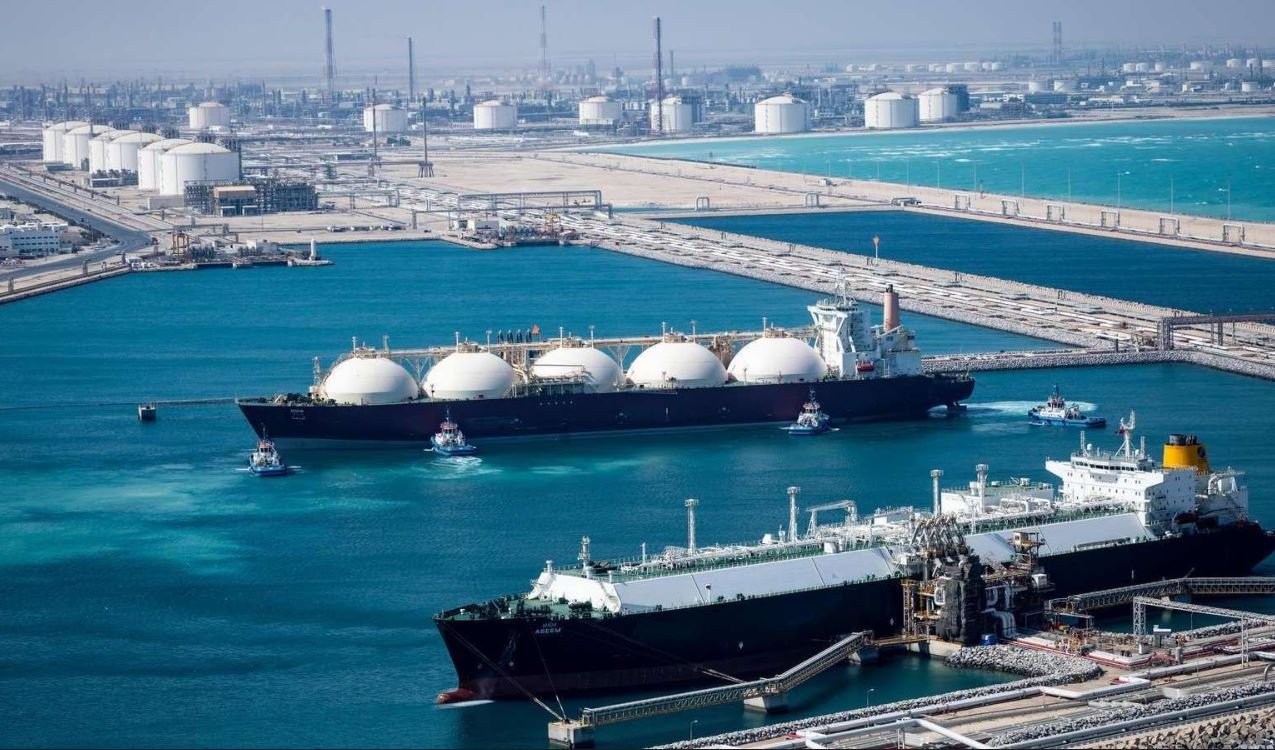
Global liquefied natural gas supply is expected to rise by nearly 10% in 2026 as multiple large scale export projects begin operations, ending several years of tight market conditions. New capacity from the United States, Qatar, Canada, and Africa is projected to add more than 35 million metric tons of LNG. This supply surge is likely to lower prices, narrow regional arbitrage margins, and accelerate demand recovery in Asia and Europe. For energy markets, 2026 marks a structural shift from scarcity to relative abundance.
What is driving the global LNG supply surge?
The global LNG market is entering a pivotal transition phase. After years of constrained supply caused by underinvestment, pandemic disruptions, and geopolitical shocks, a wave of delayed mega projects is finally coming online. Analysts widely view this shift as the most significant supply expansion since the early 2010s.
Estimates from multiple energy analytics firms suggest total global LNG supply will reach between 460 and 484 million metric tons. This expansion is not driven by demand optimism alone but by long planned infrastructure now reaching completion.
Latest Update
- Several LNG developers have accelerated commissioning timelines as financing conditions stabilize and long term offtake agreements strengthen balance sheets. This has improved investor confidence across the energy infrastructure sector.
- Asian utilities are renegotiating long term LNG contracts to include more flexible destination clauses, reflecting expectations of improved supply availability and softer pricing.
- European buyers are expanding regasification and storage capacity to accommodate higher LNG inflows as pipeline gas dependency continues to decline.
- Major oil and gas companies are reallocating capital toward LNG shipping and downstream assets to capture value beyond liquefaction.
Read Also: Asian Stocks Fall as Trump Greenland Tariff Threats Rattle Markets
Why is 2026 considered a turning point for the LNG market?
The year 2026 is considered a turning point because global LNG supply growth finally outpaces demand growth after several years of imbalance. New liquefaction capacity is large enough to meet winter demand, refill storage, and still leave surplus volumes. This fundamentally alters pricing power and contract dynamics.
From 2022 onward, the LNG market operated under persistent tightness. Russia’s invasion of Ukraine forced Europe to replace pipeline gas with LNG, while project delays limited supply growth. Prices surged, spot cargoes became scarce, and emerging markets were priced out.
In 2026, at least 35 million metric tons of new supply enters the market in a single year. That scale matters. It allows buyers to diversify sourcing, reduces panic buying, and weakens the pricing leverage of incumbent exporters.
For producers, this marks the end of an exceptionally profitable cycle. For consumers, it signals improved energy security and affordability.
Which projects are adding the most LNG supply?
The largest contributors to new LNG supply are projects in the United States and Qatar, supported by additions in Canada and Africa. These projects were sanctioned years ago and are now reaching production readiness.
The United States remains the dominant growth engine. Golden Pass LNG, developed by QatarEnergy and Exxon Mobil, is expected to begin early production. Corpus Christi and Plaquemines LNG add further capacity along the Gulf Coast.
Qatar’s North Field expansion represents one of the largest LNG investments ever. Its phased ramp up significantly boosts global supply while reinforcing Qatar’s position as a low cost exporter.
| Project | Region | Estimated Capacity Addition (MMT) |
|---|---|---|
| Golden Pass LNG | United States | 15.6 |
| North Field East | Qatar | 32.0 |
| Corpus Christi Stage 3 | United States | 10.0 |
| Plaquemines LNG | United States | 13.0 |
| LNG Canada Phase 1 | Canada | 14.0 |
| Greater Tortue Ahmeyim | Africa | 2.5 |
Read Also: UK Invests £25M in Kraken Technologies to Keep Landmark IPO in London
How will increased supply affect LNG prices globally?
Increased LNG supply is expected to put sustained downward pressure on global prices. Analysts forecast lower average spot prices in both Asia and Europe as competition for buyers intensifies.
Asian spot LNG prices are projected to fall to the ₹790 to ₹825 per mmBtu range, compared with significantly higher averages previously. European benchmark prices at the Dutch TTF hub are expected to converge toward similar levels.
The key change is not just lower prices but reduced volatility. With more cargoes available, supply shocks become easier to absorb. This stability benefits utilities, industrial buyers, and governments planning energy budgets.
| Market | Average Price Earlier | Projected Average Price |
|---|---|---|
| Asia Spot LNG | ₹1030 per mmBtu | ₹800 per mmBtu |
| Europe TTF | ₹1180 per mmBtu | ₹810 per mmBtu |
What does this mean for US LNG exporters?
US LNG exporters will face tighter margins as global prices soften and feedgas costs rise. While export volumes increase, profitability per cargo is expected to decline.
The narrowing price spread between Henry Hub, Europe, and Asia reduces arbitrage opportunities. Exporters that relied on wide spreads during tight market conditions will need to focus on efficiency and long term contracts.
However, US exporters still benefit from flexible destination clauses and a deep pipeline of demand. Volume growth offsets margin compression, keeping the US a key supplier in the global LNG ecosystem.
How will Asia respond to lower LNG prices?
Lower LNG prices are expected to stimulate demand recovery across Asia, particularly in China and India. Price sensitive buyers that reduced consumption during high price periods are returning to the market.
China’s LNG demand is projected to rise by 6 to 7 million tons as gas regains competitiveness against coal. India’s demand could increase by around 5 million tons, supported by city gas expansion and industrial usage.
Southeast Asian nations are also increasing LNG imports to support power generation and reduce reliance on oil and coal.
Read Also: HSBC Shares Fall as Trump Tariff Threat on Europe Rattles Global Markets
Why is Europe positioned to absorb large LNG volumes?
Europe is structurally short of pipeline gas and remains heavily dependent on LNG imports. As Russian gas flows decline, LNG becomes the primary balancing source.
European countries have invested heavily in floating storage and regasification units, enabling faster absorption of new supply. Storage policies also encourage higher inventory levels before winter.
As a result, Europe is expected to take 20 to 22 million tons of additional LNG, making it the largest incremental demand center.
How does this supply surge compare to previous LNG cycles?
The 2026 LNG supply surge is larger and more geographically diversified than previous cycles. Unlike earlier expansions, it coincides with strong policy driven demand in Europe and Asia.
| Cycle | Annual Supply Growth | Market Impact |
|---|---|---|
| 2010 to 2012 | 5% | Gradual price softening |
| 2016 to 2018 | 6% | Oversupply and contract renegotiation |
| 2026 | 10% | Structural rebalancing |
Key Takeaways
- Global LNG supply is expected to grow by nearly 10%, adding over 35 million metric tons.
- New projects in the US and Qatar are the primary drivers of this expansion.
- Lower prices are likely to stimulate demand in Asia and Europe.
- US exporters face margin pressure but benefit from higher volumes.
- The market shifts from scarcity to relative abundance.
Frequently Asked Questions
What is causing the LNG supply increase?
The increase is driven by new liquefaction projects in the US, Qatar, Canada, and Africa that were sanctioned years ago and are now starting production.
How much will global LNG supply grow?
Global LNG supply is projected to grow by around 10%, adding at least 35 million metric tons.
Will LNG prices fall significantly?
Yes, analysts expect lower average prices in Asia and Europe due to increased supply and reduced market tightness.
Which countries benefit most from lower LNG prices?
China, India, and European nations benefit most due to high import dependence and price sensitivity.
Is the US still competitive as an LNG exporter?
Yes, although margins narrow, the US remains competitive due to flexible contracts and large export capacity.
How does this affect energy security?
Higher LNG supply improves energy security by reducing dependence on single suppliers and stabilizing prices.
Will this lead to oversupply?
The market is expected to be well supplied but not structurally oversupplied due to strong demand growth.
What happens after 2026?
Further supply growth is expected, but at a slower pace as investment decisions become more cautious.
Conclusion
The projected 10% surge in global LNG supply marks a defining moment for energy markets. After years of volatility and scarcity, the balance of power begins to shift toward buyers. New projects across multiple continents create a more resilient and diversified supply base. While producers adjust to tighter margins, consumers gain from lower prices and improved energy security. For policymakers, utilities, and investors, 2026 represents not just another growth year, but a structural reset in how LNG is priced, traded, and consumed worldwide.