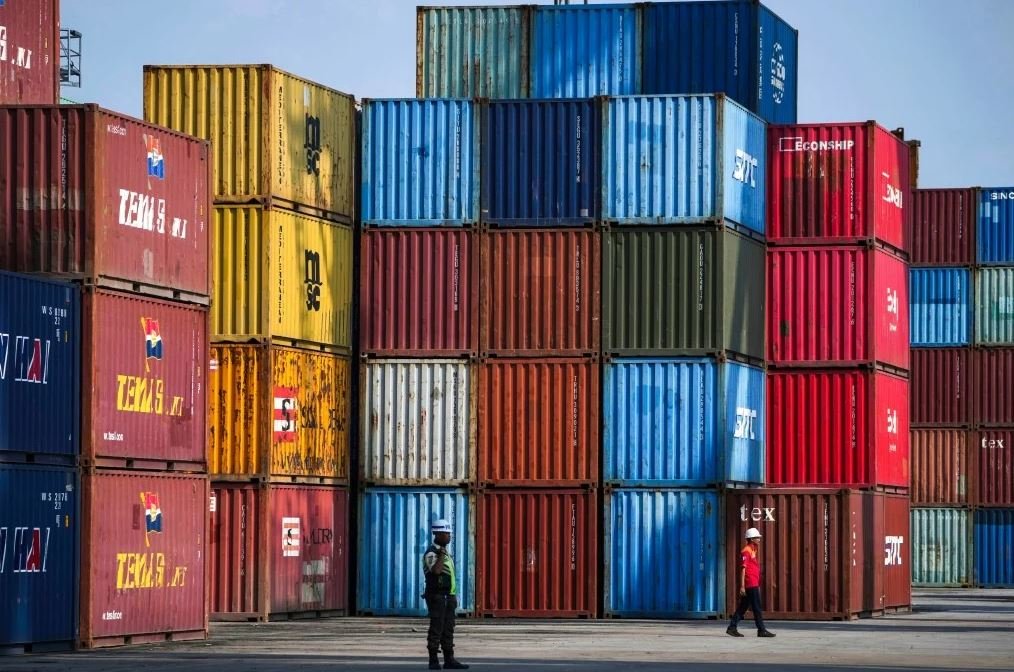
Chinese companies are rapidly increasing their use of the euro for cross border trade as they reduce exposure to the United States market. Euro settled payments jumped by over 22 percent, reflecting deeper trade ties with the European Union and a broader shift toward currency diversification. This trend highlights how global businesses are adapting to trade tensions by rebalancing markets and payment systems. Rather than relying on a single currency, China is actively building a multi-currency trade framework.
Intro: China’s growing reliance on the euro for international settlements marks a structural change in global trade flows. As trade frictions with the United States intensify, Chinese exporters and importers are turning toward Europe and other regions for stability. The surge in euro settlements is not just a currency story but a signal of evolving geopolitical and economic alignments. For global investors, multinational firms, and policy watchers, this shift reveals how trade routes, payment preferences, and financial risk management are being reshaped. Understanding this trend is critical for anyone tracking global commerce, supply chains, and long term investment strategies.
Latest News Update
- Chinese firms are increasing euro usage in trade settlements as European partners offer stable demand and diversified risk exposure. Financial institutions are expanding euro based trade services to support this shift.
- Trade volumes between China and Europe continue to grow steadily, reinforcing the euro’s role as a preferred settlement currency in large value transactions.
- Central banks are strengthening currency swap arrangements to ensure liquidity and smoother cross border payments for businesses operating across regions.
- Export oriented companies are revising invoicing strategies to hedge against geopolitical uncertainty and currency volatility.
Why are Chinese companies increasing euro settlements?
Chinese companies are increasing euro settlements to reduce their dependence on the US dollar and manage trade risk more effectively. The euro offers stability, deep liquidity, and strong acceptance across European markets, making it a practical alternative for large scale trade.
The rise in euro settlements reflects a deliberate strategy by Chinese firms to diversify currency exposure. Trade tensions with the United States have increased uncertainty around dollar based transactions, including potential sanctions and regulatory scrutiny. By invoicing and settling in euros, companies can maintain smoother operations with European partners.
Europe has emerged as a consistent demand center for Chinese exports. From machinery to consumer goods, European buyers prefer euro invoicing, which lowers conversion costs and currency risk. This mutual preference strengthens the euro’s role in bilateral trade.
Financial infrastructure also supports this shift. European and Chinese banks have expanded euro clearing, trade finance, and hedging tools. These services make euro settlements efficient and predictable for exporters and importers alike.
Read Also: European Stocks Hit Record Highs Despite Trump’s Iran Tariff Threat
How strong is China European Union trade growth?
Trade between China and the European Union remains robust, with export growth to Europe outpacing China’s overall export expansion. The EU stands as China’s second largest trading partner, providing scale and stability.
Bilateral trade volumes reached nearly ₹62 trillion equivalent in value terms, highlighting the depth of economic integration. European demand spans industrial equipment, electronics, textiles, and renewable energy components. This diversity reduces reliance on any single sector.
European companies also benefit from access to China’s vast manufacturing ecosystem. Despite diplomatic frictions, commercial ties continue to expand due to mutual economic interests. For Chinese exporters, Europe represents a high value market with predictable regulatory frameworks.
The sustained growth in trade volumes naturally increases the use of the euro. As transaction frequency and value rise, companies prioritize currencies that align with their main customer base.
China EU Trade Snapshot
| Indicator | Value |
| Bilateral Trade Value | ₹62 trillion equivalent |
| China Exports Growth to EU | 8 percent |
| EU Rank Among China Trade Partners | Second |
What role does the trade conflict with the United States play?
The trade conflict with the United States is a major driver behind China’s currency diversification. Falling exports to the U.S. have pushed firms to seek alternative markets and settlement currencies.
Exports to the United States declined sharply, signaling reduced demand and higher trade barriers. Tariffs and policy uncertainty make long term planning difficult for exporters dependent on the U.S. market.
In contrast, shipments to regions such as Europe, Africa, and Latin America have grown strongly. These markets often accept euro or local currency settlements, encouraging exporters to adapt invoicing practices.
This reorientation reduces vulnerability to unilateral policy changes. By spreading trade across regions and currencies, Chinese firms improve resilience and cash flow stability.
Read Also: UAE oil giant weighs investment in Venezuela’s gas sector
How does the euro compare with the renminbi in global trade?
While the renminbi is gaining ground globally, the euro remains a key settlement currency for China Europe trade due to its international acceptance and deep financial markets.
The share of China’s trade settled in renminbi has increased significantly over the past decade. However, the euro plays a complementary role rather than a competing one.
European partners often prefer euro invoicing for accounting and regulatory simplicity. For Chinese firms, using euros can be more practical than pushing renminbi usage in markets where it is less familiar.
This approach reflects a pragmatic multi-currency strategy. China is promoting its own currency while also leveraging established global currencies to support trade growth.
Currency Usage Comparison
| Currency | Share in China Trade | Key Advantage |
| Renminbi | 30 percent | Policy support and cost efficiency |
| Euro | Rising rapidly | Global acceptance and stability |
| U.S. Dollar | Declining share | Liquidity but higher geopolitical risk |
Why are central bank currency swaps important?
Currency swap arrangements between central banks provide liquidity assurance and support smooth trade settlements during market stress.
The euro renminbi swap line between European and Chinese central banks acts as a financial safety net. It ensures that banks can access foreign currency when needed to settle trade transactions.
For businesses, this reduces settlement risk and enhances confidence in using euros for large transactions. It also encourages banks to offer more euro-denominated products.
Such institutional backing signals long term commitment to stable trade relations, even amid political disagreements.
Read Also: Worthington Steel Announces $2.4 Billion Acquisition of Kloeckner & Co
What challenges could slow this euro settlement trend?
Regulatory tensions, trade imbalances, and protectionist measures could moderate the pace of euro settlement growth.
European authorities have raised concerns about market access and trade imbalances. These issues can lead to tariffs or safeguards that disrupt trade flows.
Recent measures targeting specific imports highlight ongoing friction. While trade continues, uncertainty may affect business sentiment.
Additionally, slower global growth could limit export expansion, reducing the overall volume of settlements regardless of currency.
What does this shift mean for global investors and businesses?
The rise of euro settlements signals a more fragmented but resilient global trade system, with implications for investment, currency markets, and supply chains.
Investors should monitor currency exposure and regional trade patterns. Companies with diversified markets and flexible settlement options are better positioned to manage risk.
For European firms, deeper trade ties with China offer opportunities in manufacturing, technology, and green energy. For financial institutions, demand for euro based trade services is likely to grow.
This trend underscores the importance of strategic adaptability in a changing global economy.
Key Takeaways
- Euro settlements in China trade are rising rapidly due to diversification needs.
- Europe has emerged as a stable and growing trade partner for China.
- Currency diversification reduces exposure to geopolitical risk.
- Central bank cooperation supports smoother cross border payments.
Frequently Asked Questions
Why are Chinese firms moving away from U.S. dollar settlements?
They aim to reduce geopolitical and regulatory risk while aligning with growing non U.S. markets.
Is the euro replacing the renminbi in China’s trade strategy?
No. The euro complements the renminbi as part of a multi currency approach.
How does this affect European exporters?
It simplifies transactions and reduces currency conversion costs.
What sectors benefit most from euro settlements?
Manufacturing, technology, and energy related trade see the biggest impact.
Are currency swaps permanent arrangements?
They are typically renewed periodically based on mutual agreement.
Could trade tensions reverse this trend?
They could slow growth but are unlikely to reverse diversification efforts.
What should global investors watch next?
Trade volumes, currency policies, and regional demand shifts.
Conclusion
China’s growing use of the euro in trade settlements reflects a deeper realignment in global commerce. Faced with trade tensions and shifting demand, Chinese firms are adopting pragmatic strategies to safeguard growth. Europe’s role as a stable partner and the euro’s credibility as a global currency make this transition both logical and sustainable. For investors, businesses, and policymakers, this evolution underscores the importance of flexibility and diversification.