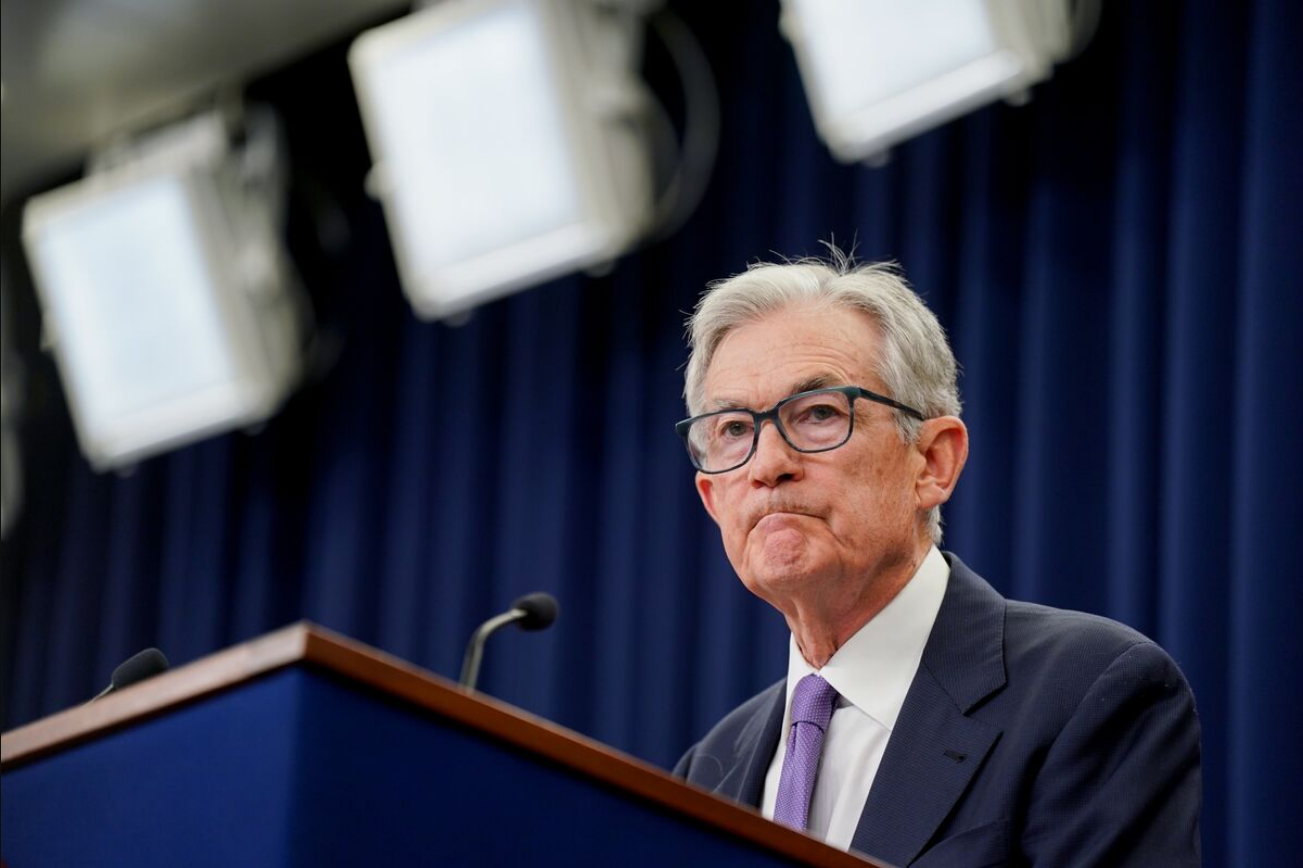
Australia’s Treasurer has backed Reserve Bank of Australia Governor Michele Bullock for joining a historic global statement in support of Federal Reserve Chair Jerome Powell. Sixteen central bank leaders emphasized the importance of central bank independence as Powell faces a criminal investigation over Fed headquarters renovations. The unprecedented solidarity highlights global commitment to financial stability despite political pressures.
Latest Update
- Sixteen central bank leaders worldwide issued a joint statement supporting Jerome Powell, praising his integrity and focus on public interest.
- Australian Treasurer Jim Chalmers confirmed that RBA Governor Michele Bullock’s participation in the statement was fully appropriate.
- New Zealand’s central bank governor faced criticism from the government for joining the statement, highlighting divergent regional responses.
- Political tensions mount as President Trump continues to publicly pressure Powell over interest rate decisions.
- Former Fed Chairs and financial leaders have voiced strong support for Powell, emphasizing the risks of undermining central bank independence.
Why Did Australia Back Its Central Bank Chief?
The Australian government views central bank independence as essential for economic stability and credibility. By supporting RBA Governor Michele Bullock’s participation, Australia signals alignment with global peers defending Federal Reserve Chair Jerome Powell against political pressures. This ensures trust in monetary policy decisions and reinforces confidence in financial markets.
Central banks act as the backbone of economic stability. When political interference threatens their independence, it risks inflation, currency volatility, and investor uncertainty. Australia’s stance demonstrates the country’s commitment to shielding its central bank from external political pressures.
Read Also: Coal India seeks rare earth mines abroad to cut China reliance
What Is the Significance of the Global Central Bank Statement?
The joint statement by 16 central bank leaders is unprecedented in modern history. It emphasizes that central bank independence is crucial for maintaining price, financial, and economic stability worldwide. By publicly supporting Powell, the global financial community reinforces norms against political interference in monetary policy.
| Central Bank | Leader | Statement Focus |
| Federal Reserve (USA) | Jerome Powell | Defended against political pressure |
| Reserve Bank of Australia | Michele Bullock | Supported global statement |
| European Central Bank | Christine Lagarde | Emphasized policy integrity |
| Bank of England | Andrew Bailey | Highlighted central bank independence |
| Bank of Canada | Tiff Macklem | Reaffirmed public interest mandate |
How Are Other Countries Reacting?
Global responses vary. While Australia and several European nations fully backed the statement, New Zealand criticized its central bank governor for engaging in U.S. domestic politics. These divergent responses underscore the delicate balance central banks must maintain between global collaboration and national boundaries.
Political pressures also differ across regions. Some leaders face direct threats to their autonomy, while others operate in relatively insulated environments. Australia’s approach emphasizes proactive support for monetary integrity and global coordination among central banks.
Read Also: OpenAI, Anthropic, and SpaceX Prepare for $1.6 Trillion IPO Wave
What Are the Implications for Financial Markets?
Market confidence relies on predictable, independent central bank actions. Support for Powell reduces uncertainty and reassures investors that monetary policies remain objective. Conversely, political attacks on central banks can trigger market volatility, higher borrowing costs, and weaker currency stability.
Consider the following comparison:
| Scenario | Market Impact | Investor Confidence |
| Central bank independence respected | Stable interest rates, predictable inflation | High |
| Political interference occurs | Rate volatility, market uncertainty | Low |
Who Else Has Defended Powell?
Several former Fed Chairs, including Janet Yellen, Ben Bernanke, and Alan Greenspan, publicly supported Powell. CEOs and financial leaders like Jamie Dimon also warned that compromising central bank independence could harm economic stability. These endorsements strengthen Powell’s position amid the political controversy.
What Does This Mean for Australia’s Economy?
By supporting Bullock’s participation in the statement, Australia signals confidence in its monetary policy framework. This can attract foreign investment, maintain low inflation, and promote economic stability. Investors are reassured that Australian financial policies remain aligned with global best practices and independent governance.
Read Also: UAE oil giant weighs investment in Venezuela’s gas sector
In Short
- Australia backs the central bank chief for joining the global support of Jerome Powell.
- 16 central bank leaders worldwide emphasize the importance of independence.
- Political pressures threaten monetary policy credibility, making international solidarity significant.
- Markets are stabilized when central bank independence is maintained.
- Former Fed Chairs and global financial leaders reinforce the need to protect central bank autonomy.
FAQs
- Why did Australia support Michele Bullock? Australia viewed her participation as reinforcing global central bank independence, crucial for economic stability.
- What is the global central bank statement? A joint declaration by 16 central bank leaders emphasizing support for Jerome Powell and central bank autonomy.
- Why is Powell under investigation? The Trump administration launched a probe over alleged mismanagement of the Fed’s $2.5 billion headquarters renovation.
- How does this affect financial markets? It reassures investors that monetary policies remain independent and predictable, reducing volatility.
- Which countries joined the statement? Europe, Canada, Britain, Australia, South Korea, Brazil, Indonesia, South Africa, New Zealand, and Nordic nations.
- How did New Zealand react? The government criticized its central bank governor for engaging in U.S. domestic politics.
- Who else defended Powell? Former Fed Chairs Janet Yellen, Ben Bernanke, Alan Greenspan, and financial leaders like Jamie Dimon.
- What is the risk of political interference? It can lead to market volatility, inflation uncertainty, and reduced investor confidence.
- When does Powell’s term end? Powell’s Fed chair term expires in May, with a successor expected soon.
- Why is central bank independence important? It ensures decisions are made in the public interest, maintaining price and financial stability.
Conclusion: Australia’s backing of its central bank chief in the global defense of Jerome Powell highlights the importance of central bank independence in maintaining financial stability. The unified stance of 16 global leaders reassures markets, investors, and citizens that monetary policies are guided by professional integrity, not political influence.