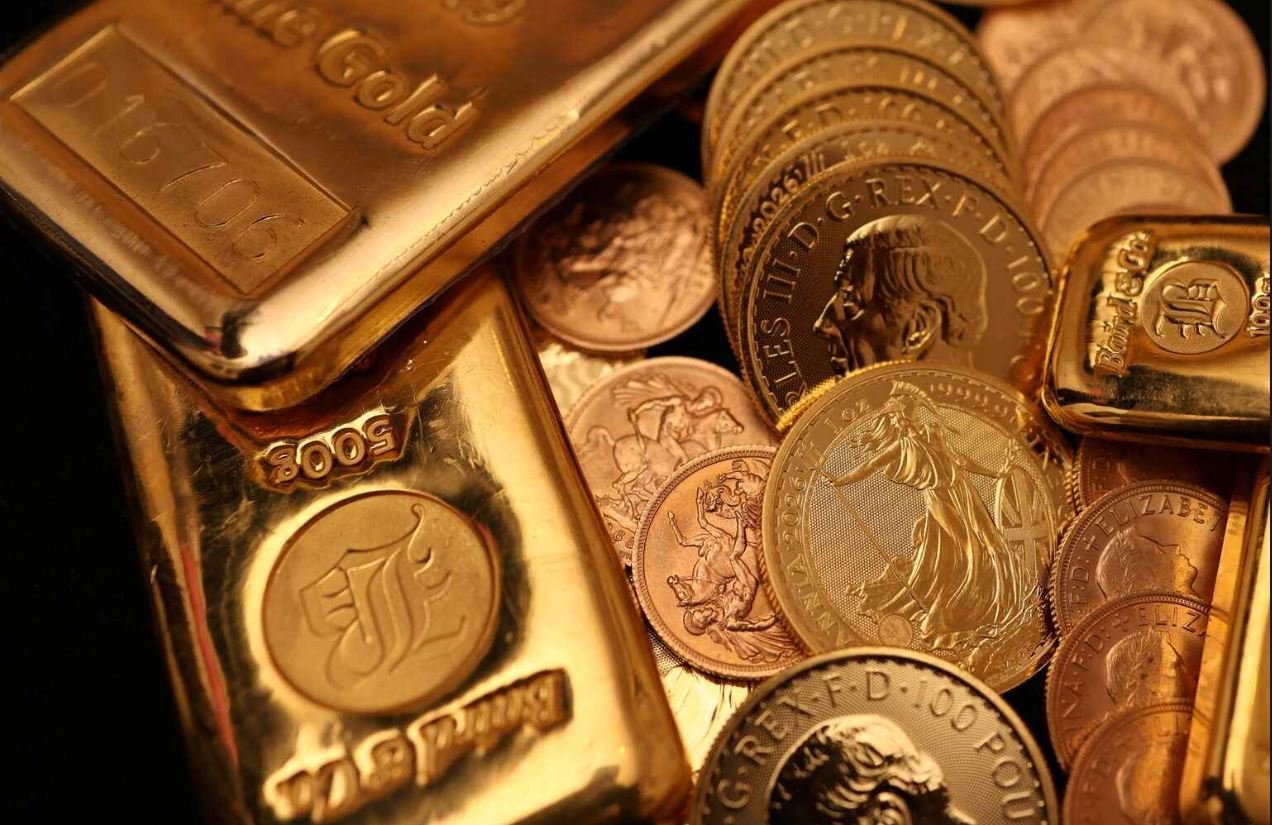
Gold has surged to a fresh record above $4,800 per ounce as rising trade tensions between the United States and the European Union push investors toward safe assets. European equity markets declined sharply while demand for gold, silver, and platinum accelerated. The rally reflects growing fears of a wider trade conflict, weakening confidence in US policy stability, and sustained central bank buying. As risk appetite fades, precious metals are increasingly viewed as protection against volatility.
Introduction
Global financial markets are entering a defensive phase as geopolitical friction between Washington and Brussels intensifies. European stocks fell across major indices, while gold extended its historic rally as investors reassessed risk exposure. The renewed tariff threat from the US administration has revived fears of a prolonged trade conflict that could disrupt supply chains, weaken growth, and pressure currencies. In response, capital is moving away from equities and into assets perceived as stores of value. Gold’s sharp rise highlights how quickly sentiment can shift when trust in trade agreements and fiscal discipline comes under strain.
Latest Update
- European equity benchmarks closed lower as investors reduced exposure to cyclical sectors, with exporters and banks facing the heaviest selling pressure amid tariff uncertainty.
- Gold extended its rally during Asian trading, reaching a new record as institutional investors and central banks increased allocations to bullion.
- The US dollar weakened against major currencies, reflecting reduced confidence in long term fiscal stability and policy predictability.
- Large institutional investors in Europe announced plans to cut exposure to US government debt, signaling a broader reassessment of risk.
Why did gold hit a record high during US EU trade tensions?
Gold rose because investors sought protection from political risk, trade disruption, and currency volatility. When confidence in equities and government bonds weakens, gold benefits from its role as a neutral store of value.
Trade disputes increase uncertainty around global growth and inflation. Investors respond by reallocating capital away from risk assets such as stocks and toward assets that historically preserve value. Gold does not rely on any single government, trade agreement, or corporate earnings stream. This independence makes it attractive during periods of diplomatic conflict.
Central banks have also played a critical role. Persistent buying by monetary authorities has tightened supply and reinforced bullish sentiment. Combined with fears of retaliatory tariffs and weaker trade flows, these factors pushed gold prices to unprecedented levels.
Read Also: Silver Hits Record Above $93 Before Retreating After Tariff Pause
How are European stock markets reacting to the trade conflict?
European equities are declining as investors price in slower growth, higher costs, and the risk of retaliatory measures from Brussels.
Export heavy economies such as Germany and France are particularly vulnerable to trade restrictions. Automakers, industrial firms, and luxury brands face margin pressure if tariffs rise. Financial stocks also suffer as market volatility reduces lending appetite and investment activity.
The selloff reflects not panic, but caution. Investors are reducing exposure while waiting for clarity on whether negotiations will resume or escalate further. Until policy direction becomes clearer, European markets are likely to remain volatile.
What role do tariffs play in driving market volatility?
Tariffs act as a tax on trade, raising costs for businesses and consumers while distorting supply chains.
When tariffs are announced, markets immediately reassess earnings forecasts and inflation expectations. Higher import costs can squeeze corporate profits and push prices higher for consumers. This dual effect weakens growth while complicating monetary policy decisions.
In the current environment, tariffs also carry a symbolic weight. They signal a breakdown in diplomatic trust, which increases uncertainty far beyond the immediate economic impact. Markets tend to react strongly to this loss of predictability.
Is gold replacing government bonds as the preferred safe asset?
Gold is increasingly competing with government bonds as a defensive asset, especially when fiscal sustainability is questioned.
Traditionally, US Treasuries have been the default safe asset during crises. However, rising debt levels and political uncertainty are prompting some investors to diversify away from sovereign bonds. Gold offers protection without credit risk.
The decision by European pension funds to reduce Treasury exposure highlights this shift. While bonds remain important, gold is gaining a larger share in defensive portfolios.
Read Also: LNG Prices Face Pressure in 2026 as Global Supply Surges
How does this affect currencies and the US dollar?
Trade tensions weaken the dollar by undermining confidence in US economic leadership.
When investors fear instability, they reduce exposure to currencies tied to the source of uncertainty. The dollar’s decline against major peers reflects concerns about tariffs, fiscal discipline, and diplomatic reliability.
A weaker dollar further supports gold prices, as bullion becomes cheaper for buyers using other currencies. This feedback loop strengthens the precious metals rally.
What are analysts saying about future gold prices?
Several major banks expect gold prices to remain elevated, with some forecasting further upside if tensions persist.
Analysts point to sustained central bank demand, limited new supply, and persistent geopolitical risk as key drivers. Forecasts suggesting prices approaching $5,000 reflect these structural factors rather than short term speculation.
While short term corrections are possible, the broader trend remains supportive as long as uncertainty dominates global policy.
Gold and equity market performance snapshot
| Asset | Recent Movement | Investor Sentiment |
|---|---|---|
| Gold | Record high above $4,800 | Strongly positive |
| European equities | Broad decline | Cautious to negative |
| US dollar | Weaker against peers | Defensive selling |
Gold versus equities in periods of trade conflict
| Factor | Gold | Equities |
|---|---|---|
| Sensitivity to tariffs | Low | High |
| Dependence on growth | Minimal | Significant |
| Role in portfolios | Capital preservation | Growth and income |
Read Also: BlackRock Invests Over $1 Billion in Bitcoin and Ethereum ETFs
Key Takeaways
- Gold is benefiting from trade related uncertainty and defensive positioning.
- European stocks are under pressure due to export exposure and policy risk.
- Investor confidence in traditional safe assets is being reassessed.
- Market volatility is likely to persist until trade clarity improves.
Frequently Asked Questions
Why is gold rising during trade tensions?
Gold rises because investors seek assets that are not tied to trade flows, corporate earnings, or government policy.
Are European markets likely to recover soon?
Recovery depends on diplomatic progress. Without clarity, volatility is expected to continue.
Does a weaker dollar always boost gold?
A weaker dollar generally supports gold, as it lowers the cost for global buyers.
Are central banks driving the gold rally?
Yes. Sustained central bank purchases have tightened supply and supported prices.
Is this a good time for long term gold investors?
Gold remains attractive for diversification, though short term price swings are possible.
How do tariffs impact corporate earnings?
Tariffs raise costs and disrupt supply chains, often reducing profit margins.
Can trade tensions trigger a global slowdown?
Extended conflicts can weaken trade, investment, and consumer confidence.
Is silver following the same trend as gold?
Silver has also risen, supported by both safe demand and industrial use.
What signals should investors watch next?
Statements from policymakers, tariff timelines, and central bank actions are key indicators.
Conclusion
The surge in gold prices and the decline in European equities reflect a market environment dominated by caution. Trade tensions between the United States and the European Union have revived fears of economic disruption and policy instability. As confidence in traditional safe assets is questioned, gold has reasserted its role as a cornerstone of defensive investing. While negotiations could still ease tensions, investors are preparing for prolonged uncertainty. In this climate, diversification, risk management, and close attention to geopolitical signals remain essential for navigating volatile global markets.