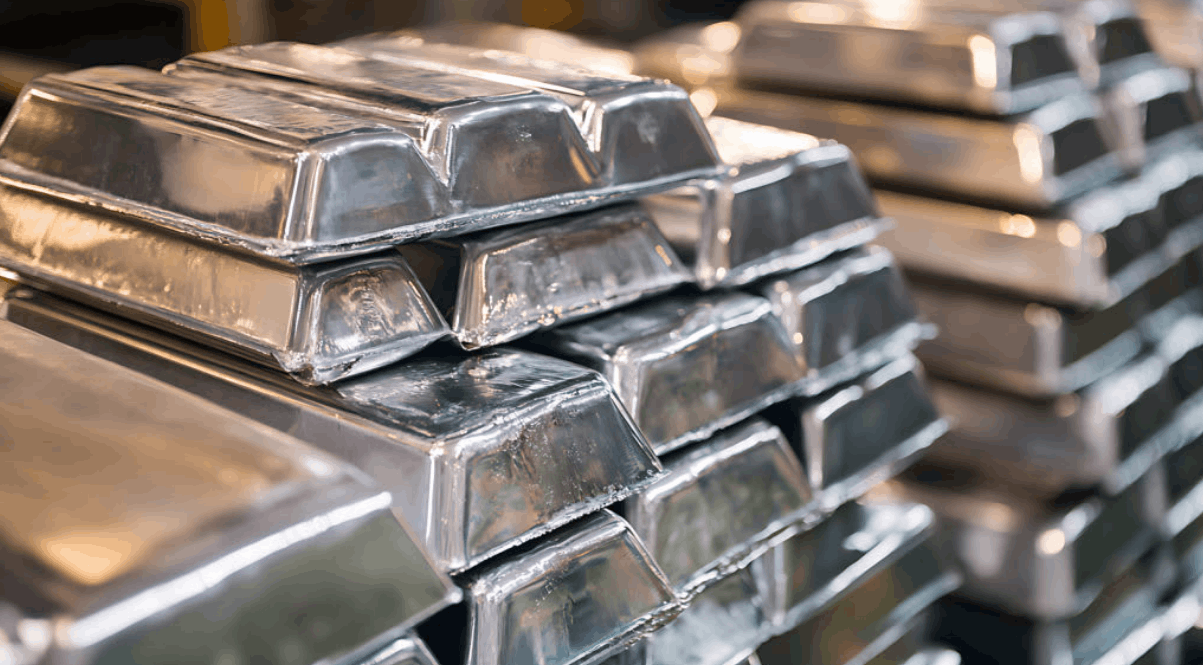
The baseline rules of global precious metals trading have been completely rewritten. Moving away from standard open-market bullion trading, China has shifted its strategy toward a highly structured, administrative chokehold on domestic silver supplies.
At the heart of this operational evolution is a strict new export licensing system implemented by Beijing. Founded to exercise absolute sovereignty over its mineral reserves, the state has reclassified silver as a primary strategic asset. International shipping is now heavily restricted, forcing the market to adjust to a closed domestic distribution network.
To optimize the classification of supply chain disruption risks in this theater, our firm deployed the 4-Tier Scale Framework. This unique methodology evaluates sovereign compliance constraints and tracks how regulatory shifts translate into hard financial liabilities. The model demonstrates that administrative bottlenecks create far greater long-term supply chain friction than localized market volatility.
+------------------------------------------------------------+
|            THE NEW SILVER COMPLIANCE CROSSROAD             |
+------------------------------------------------------------+
|                                                            |
|  [Physical Silver Bullion]                                 |
|         │                                                  |
|         ▼                                                  |
|  Vetting by Beijing Regulators (Strict Export Licensing)   |
|         │                                                  |
|         ├───────────────────────────┐                      |
|         ▼                           ▼                      |
|  [Option A: Domestic Market] [Option B: Export Approval]   |
|  • Sells on Shanghai Exchange• Limited to 44 State Giants  |
|  • Commands $125/oz Premium  • Must Pass 80-Tonne Quota    |
|  • Feeds Local Green Tech    • Requires $30M Credit Line   |
|         │                                                  |
|         ▼                                                  |
|  Global Liquidity Squeeze                                  |
|  (25% COMEX Inventory Drain within 7 Days)                 |
|                                                            |
+------------------------------------------------------------+
To cement this control, the finance ministry in Beijing has effectively trapped physical supply within its borders. While Chinese officials boast that this resource-backed framework will permanently insulate their domestic factories, it leaves global high-tech electronics manufacturers facing a brutal operational ultimatum.
Beijing Holds The Line Against International Supply Leakage
The response from international commodity hubs has been swift, chaotic, and focused heavily on securing dwindling physical assets. The sudden supply squeeze has caused silver prices on the Shanghai Gold Exchange to explode to approximately $125 per ounce.
For international industrial consortia, the choice is an operational minefield: source increasingly scarce alternative metals or absorb massive premiums to keep production lines running.
According to data compiled by McKinsey, over 80% of global solar panel manufacturing relies directly on Chinese processing supply chains. Squeezing the export market triggers immediate secondary supply shocks, rendering downstream technology firms vulnerable to massive component delays.
   BEIJING STRATEGIC RESOURCE STRATEGY
   ┌────────────────────────────────────────────────────────┐
   │ 🛑 ZERO-TOLERANCE EXPORT CONTROL:                      │
   │    Only 44 state-approved firms hold licenses.         │
   ├────────────────────────────────────────────────────────┤
   │ 📊 AGGRESIVE INDUSTRIAL QUOTAS:                         │
   │    Exporters must hit an 80-tonne annual baseline.     │
   ├────────────────────────────────────────────────────────┤
   │ 🛡️ NEW THREE INDUSTRIES DEFENSE:                       │
   │    Prioritizing solar, EV, and battery production.     │
   └────────────────────────────────────────────────────────┘
Simultaneously, the Chinese government has widened its industrial offensive, ensuring that physical delivery rules on local exchanges prevent paper contracts from masking actual physical shortages. By cutting off international supply valves while holding a firm line on domestic hoarding, the state is aiming to squeeze global green-tech manufacturing leverage.
READ ALSO
European Stocks Hit Record Highs Despite Trump’s Iran Tariff Threat
European Markets • Trump Tariffs • Global Investor Sentiment
The Policy Divergence Collides With India’s Duty Slashes
While international markets simmer under a tense physical shortage, the economic fallout of the Chinese restrictions is hitting global energy markets with immense force. The Indian silver market, conversely, has turned into a highly competitive alternative due to a radical policy divergence.
Insights gathered from the global commodity-tracking platform Kpler indicate that the Indian government slashed its silver import duties from 15% to 6%. This legislative move successfully cushioned Indian manufacturers, keeping local prices stable between $103 and $108 per ounce and opening up a massive 17% arbitrage gap against Shanghai.
| Regional Market Metric | Shanghai Exchange (China) | Mumbai Market (India) |
| Average Spot Price | $125.00 per Ounce | $103.00 – $108.00 per Ounce |
| Primary Policy Stance | Strict Export Controls | Import Duty Slashed to 6% |
| Market Premium Rating | 17% Premium Over India | Baseline Competitive Standard |
Despite high liquidity in alternative hubs, global inventories are draining rapidly. The latest COMEX data revealed that over 25% of registered silver inventory vanished in a single week—shattering consensus analyst expectations and signaling intense global hoarding.
The strain is no longer confined to solar infrastructure. A severe supply crunch is rippling through the global semiconductor and advanced automobile sectors, driving up manufacturing costs and forcing automotive leaders to brace for supply chain volatility extending well into next year.
The High-Stakes Industrial Endgame For Global Tech
The battle for green tech supremacy has reached a critical bottleneck where paper speculation yields to physical endurance. Backed by surging demand for AI infrastructure and 5G expansions, a sweeping resource war is beginning to take shape, and the gap between open-market buyers and state-backed supply hubs remains incredibly wide.
China’s Supreme Economic Council enters this phase with the leverage of a near-monopoly, demanding domestic self-sufficiency to protect its massive industrial base from external resource competition.
Analysis published by the Institute for the Study of War (ISW) underscores that Beijing’s strategic goal is to permanently codify its mineral dominance into long-term trade leverage, transforming a widely traded commodity into a proprietary sovereign asset.
Tech visionaries like Elon Musk have publicly flagged the situation on social media, warning that the export curbs pose a severe threat to global sustainable transportation infrastructure. As physical reserves continue to drain from Western vaults, the outcome of this resource standoff will determine not just the price of an ounce of silver, but who truly controls the physical building blocks of the future economy.
READ ALSO
Worthington Steel Expands Global Presence With Major Kloeckner Acquisition
Steel Industry • Corporate Acquisition • Global Manufacturing
Key Takeaways Implementation Checklist
- Audit Supply Chain Vulnerabilities: Map out all tier-one and tier-two component suppliers to isolate exposure to Chinese silver export nodes.
- Hedge Against Regional Premiums: Execute strategic supply contracts in alternative corridors like Mumbai to capitalize on the 17% regional price differential.
- Accelerate Recycling Protocols: Invest in secondary precious metal recycling streams to recover industrial silver directly from manufacturing scrap.
- Review Alternative Material Models: Test alternative conductive copper or aluminum pastes in non-critical electronics to buffer against prolonged physical squeezes.
Frequently Asked Questions (FAQs)
What caused the massive 17% silver price premium on the Shanghai Gold Exchange?
The premium is a direct consequence of China’s strict export licensing framework, which traps the physical supply within domestic borders. High demand from local solar and electric vehicle factories has pushed Shanghai prices up to $125 per ounce, well above global rates.
Why did India cut its silver import duties down to 6% during this crisis?
The Indian government slashed import duties from 15% to 6% to increase domestic market liquidity and curb illegal smuggling. This proactive tax reduction has successfully cushioned Indian industrial buyers from the extreme price spikes seen in China.
How are major industrial firms reacting to the sudden drop in COMEX silver inventories?
Industrial buyers are rapidly withdrawing physical metal from vaults, causing over 25% of registered COMEX silver inventory to disappear in a single week. This movement indicates widespread panic hoarding as companies scramble to secure physical supply ahead of an anticipated global liquidity crunch.